Total Shoulder Replacement
January 1, 2021
Shoulder Care and Surgery by Dr. Shaw
Dr. Shaw offers a full range of shoulder care and surgery, from treating common conditions like rotator cuff tears and shoulder strains to performing advanced shoulder replacement surgeries. Shoulder replacement is often recommended for patients with arthritis, especially when the shoulder joint becomes severely damaged or painful.
When Is Shoulder Replacement Necessary?
The decision to undergo shoulder replacement surgery depends on:
-
Shoulder disability and pain level
-
X-rays showing narrowing of the joint space and bone spurs
-
Arthritis severity
Patients suffering from severe shoulder arthritis or persistent pain are often ideal candidates for this procedure.
Shoulder Replacement Surgery: What to Expect
Most shoulder replacement procedures are performed as outpatient surgeries, offering patients quicker recovery times. The surgery involves:
-
Multimodal pain management plan to reduce the use of narcotics
-
Use of both regional block and general anesthesia
-
Minimal muscle disruption, with only the subscapularis tendon (located at the front of the shoulder) being cut and repaired during surgery

The Procedure: Replacing Arthritic Bone Surfaces
-
The arthritic bone surfaces are either scraped or removed.
-
Metal and plastic components are used to resurface the joint, allowing for smooth movement at the shoulder.
-
Pain relief is typically excellent, and many patients regain the ability to engage in daily activities and sports.
Types of Shoulder Replacement
There are three main types of shoulder replacement options available, each tailored to the patient’s specific needs:
1. Humeral Head Resurfacing
-
Used when arthritis is less severe and the glenoid cartilage (socket side) remains intact.
-
Not commonly performed due to arthritis severity in most patients.

2. Anatomic Shoulder Replacement
-
The most common form of shoulder replacement, which resurfaces both the glenoid and humeral head.
-
Requires a well-functioning rotator cuff to achieve optimal results.
-
Can be performed with a stem or stemless option (minimally invasive), with Dr. Shaw typically opting for the stemless method.


3. Reverse Shoulder Replacement
-
Used for patients with shoulder arthritis and a rotator cuff tear.
-
This approach reverses the normal shoulder anatomy by placing the ball on the socket side (glenoid) and the socket on the humerus.
-
Provides pain relief and the ability to lift the arm.
The reverse shoulder replacement is performed through a 4-5 inch incision at the front of the shoulder.

Advanced Preoperative Planning with CT Scans
Dr. Shaw utilizes preoperative CT scans to:
-
Assess detailed shoulder anatomy using 3D software
-
Plan the optimal implant position
-
Design custom drill guides for precise placement of the glenoid implant
In cases of significant bone wear, special augmented implants may be used to enhance stability and function.
Implants Used by Dr. Shaw
Dr. Shaw carefully selects Zimmer Biomet implants for their advanced design and quality. These implants offer long-lasting results and optimal shoulder function. To learn more about these implants, visit the Zimmer Biomet website.

Please see the Zimmer Biomet website link below to read more about the implants Dr. Shaw uses and other general information about shoulder replacement.
https://www.zimmerbiomet.com/patients-caregivers/shoulder/about-shoulder-replacement.html
How Physical Therapy Could Help You Live A Healthier Life
December 28, 2020
What is orthopedic physical therapy? You may know it is an integral process in recovery from either injury or surgery. You also likely know it can be physically challenging. But, do you know about all of the ways that it can help you live with less pain?
To start, let’s define orthopedic physical therapy (PT) and establish its purpose. PT is a treatment focused on improving the functioning of your orthopedic system: muscles, bones, joints, tendons and ligaments. Rehabilitation and recovery are the most common reasons people go to physical therapy. However, many don’t realize that PT can also be used as a preventive treatment to relieve pain and increase mobility.
Physical Therapy for Prevention
When you start PT, the goal is to restore your functionality, mobility and strength. In many cases, this restoration work can keep you from needing surgery, or it can even help prevent future injuries. Beacon Orthopaedic specialists evaluate each patient’s unique situation to determine the best course of action for treatment. For some, it’s surgery, but for others, it’s minimally invasive treatment or physical therapy. Further, a doctor or physical therapist can identify areas of vulnerability for future problems that can be reversed with PT.
Physical Therapy for Rehab and Recovery
Recovering from surgery can be a long and arduous process — the same is true for rehabbing an injury. Physical Therapy not only accelerates that process, but it also helps ensure you regain the range of motion, flexibility and balance you had before the pain. Alleviating pain is another great advantage of doing physical therapy as you recover.
BONUS: Physical Therapy for All Things
Physical therapy may not cure everything, but its purposes and advantages go beyond what has been discussed. It can help athletes get a competitive edge, or it can improve cardiovascular functions. Age-related health issues like arthritis can also be improved with physical therapy. You can explore all of the ways your life could be improved by a simple conversation with a Beacon specialist. If you’re an athlete looking for that competitive edge we just mentioned, our Baseball Throwing, Bridge or Running Analysis Programs could be great options for you.
Is Physical Therapy for You?
If you are injured, facing the possibility of surgery, or experience any of the following issues that interfere with your ability to carry on daily activities, you could be a great candidate for PT. It’s worth bringing it up with your doctor.
- Immobility
- Pain
- Stiffness
- Swelling
- Weakness
Take the Next Step to Learn More
The specialists at Beacon are here to help you find the right course of treatment for your needs. Same-day appointments and Urgent Care are available when you need to learn more about how orthopedic physical therapy could benefit you. In these unprecedented times of COVID-19, we also offer physical therapy through telehealth at our Summit Woods, Miamisburg, West and Northern Kentucky locations (513-354-3700). Our Bridge Program could also be an ideal fit for someone in any of these situations. Contact us to learn more about it.
We’re Bringing Healthy Back(s): 6 Ways to Ease Back Pain
December 18, 2020
If you’re old enough to readily recall our song reference in the headline of this blog post, then you’re old enough to start taking a little better care of your spine. That may sting a bit, so we’ll give you a minute. In all seriousness, while it’s important to keep your back healthy at any age, most people start noticing back pain right around the time they hit 40 years old (according to PennMedicine.org) — which is the bad news. The good news is there are several ways you can improve age-related back pain.
Pain in your back is usually caused by inflammation or pressure on your nerves. There are three common reasons people develop back pain related to getting older. They are:
- Degenerative discs or joints
- Spinal stenosis
- Slipped vertebra (Spondylolisthesis)
6 Ways to Ease Back Pain
There’s hope for back-pain sufferers! You don’t have to suffer until the pain is so bad that you require medical attention. Alleviate pain now by doing more of the following:
- Get Active: The more you move, the better you’ll feel.
- Do Physical Therapy: Improve your strength, balance and flexibility with a specialist-prescribed exercise program.
- Take Medications: Over-the-counter anti-inflammatory medications, like ibuprofen, naproxen or aspirin, can help ease pain.
- Give Your Shoulder the Cold Shoulder: Or any other body part that hurts. Icing a pain as soon as it starts can help knock it out. We recommend 20 minutes on and 20 minutes off with ice, frozen peas, or whatever you have in the freezer that’s cold and moldable.
- Bring on the Heat: Once you’ve iced for a couple of days, switch to heating pads and warm baths to relax your muscles and stimulate blood flow. Stretch your warmed-up muscles to prevent spasms after applying heat.
- Take it Easy: As we age, our injury recovery time slows down. Don’t push yourself too much. There’s a fine balance between gently stretching and moving to keep from getting stiff and overexertion.
When Home Remedies Aren’t Enough
Despite your best efforts, sometimes medical intervention is required to soothe an aching back. Check out our blog post on minimally and non-invasive treatment options that can help you feel better faster. Options include but aren’t limited to:
- Medication — topical or oral
- Steroid injections
- Minimally invasive, or orthobiologics, procedures
- Physical therapy and rehabilitation
Our specialists are always here to help you understand what’s causing back and neck pain. If you have chronic pain, don’t suffer in silence. Contact us today.
What is Femoroacetabular Impingement?
December 15, 2020
Femoroacetabular Impingement (FAI) refers to a process by which a misshapen hip joint experiences abnormal impingement throughout normal range of motion, gradually leading to breakdown of the labrum and cartilage in the joint. This breakdown of labrum and cartilage tissue causes pain and dysfunction, and left unaddressed may eventually lead to premature osteoarthritis. This process typically unfolds over months to years. From a bony standpoint, the hip joint is comprised of the femur and the acetabulum, the name for the socket portion of the pelvis bone. The femoral head articulates with the acetabulum. In FAI, the femoral head/neck and acetabular socket abut or impinge on each other in an abnormal manner, and abut within an arc of motion when they should not touch.
What are the different types of FAI?
FAI may be broadly divided into 2 main categories: Cam impingement and Pincer Impingement.
Cam Impingement refers to an osseous bump on the femoral neck that distorts the normal round, globe-like shape of the femoral head. The femoral head and neck normally taken on an hourglass curvature in which the circumference of the head tapers to the neck. In Cam impingement, there is a loss of head-neck offset (the neck is as wide or prominent as the head), limiting the amount of hip flexion that can be achieved before the femoral neck abuts the acetabular socket.
Pincer Impingement refers to an excessively deep acetabular socket, restraining normal hip range of motion. Pincer impingement in turn may be divided general into two types: global and focal. Acetabuli profunda and acetabula protrusion terms describing moderate and and severe forms of globally deep sockets, respectively. These patients have global, rather than focal, overcoverage of the socket, and are seldom a good candidate for hip arthroscopy unless there is only a focal area of their overcoverage responsible for problems. Young patients with these problems are occasionally candidates for pelvic osteotomy procedures, in which cuts are made in the pelvis bone to shift the position of the socket.
Focal overcoverage is the more common form of pincer impingement. This may generally be cause by either a focal prominence or bump on the anterolateral acetabulum most commonly, or due to retroversion of the acetabulum, which is malalignment of the socket tilting further backward than normal. This typically occurs in the 12 oclock to 3 oclock range of the socket. Focal pincer impingement is more amenable to surgical correction with hip arthroscopy.

What Causes FAI?
The cause of FAI is poorly understood. The best estimation of the etiology is genetic, meaning that it develops as a person grows into his/her adult skeleton, and was predetermined from their genetic makeup. It is known from research that FAI is more common among family members. Additionally, it is believed FAI may become exacerbated or worsened by certain types of repetitive activities, particularly high-flexion activity like sprinting or other running sports, deep squats and lunges, gymnastics, dance, and other activities. It is known, for example, that elite football players have a higher prevalence of CAM-type FAI. Repetitive stress injuries may cause reactive bone formation, the body’s attempt to reinforce the bone in response to stress, and grow a larger bump on the femoral neck or create a more prominent shelf on the acetabular socket. This may lead to a mild form of FAI becoming more severe over time.
How is FAI diagnosed? What tests are necessary?
Femoroacetabular Impingement is a disorder of misshapen bones around the hip, the femur and acetabulum. For that reason, FAI may be diagnosed with proper xrays. The views typically ordered to evaluate for FAI include an AP Pelvis, Frog-leg lateral, Cross-table lateral, and False Profile views. Other views, such as a Dunn view, can be substituted for the previously mentioned views.
On an AP Pelvis view, numerous calculations are made to determine whether FAI is present. Two of the most important are center-edge angle and alpha angle:
Center-edge angle (CE angle) measures a vertical line from the center of the femoral head (measured as the center of a perfect circle) and another line connecting the center of the head to the lateral most edge of the acetabulum. The angle between these lines is the CE angle. A normal CE angle is 25-39 degrees. CE angle below 25 degrees suggests borderline, mild (<20), or moderate/severe (<15) dysplasia of the acetabulum (i.e. a socket that is too shallow). Hip arthroscopy for dysplastic hips can make patients worse by destabilizing a joint that already has inadequate bony stability due to the shallow socket. These patients are rarely a candidate for hip arthroscopy. CE angle >40 indicates a pincer lesion, in which the acetabular socket is excessively deep, and restraining normal hip range of motion. If the medial edge of the acetabulum crosses the ilioischial line, the condition is called acetabuli profunda, or deep socket. If the medial edge of the acetabulum crosses the iliopectineal line, this condition is called acetabula protrusio, or a protruding deep socket, and more severe condition. These patients have global, rather than focal, overcoverage of the socket, and are seldom a good candidate for hip arthroscopy unless there is only a focal area of their overcoverage responsible for problems.
To determine focal overcoverage, xrays are evaluated for a cross-over sign, in which the anterior and posterior walls of the acetabulum criss-cross on the xray. This indicates probable acetabular retroversion and focal overcoverage of the acetabulum, typically in the anterolateral portion of the acetabulum, in what is referred to as the 12 oclock to 3 oclock range of the socket. Another important sign of acetabular retroversion is an ischial spine sign, in which the normally hidden ischial spines are visible within the pelvic basin on xray.
Alpha angle is a measurement to discover Cam lesions of the femoral neck. A perfect circle is made around the femoral head, and an angle is formed with a line bisecting the femoral neck to the center of the head, and another line connecting the center with the point along the head in which the bone deviates from the perfect circle. The larger the bump on the femoral neck, the sooner it breaks from the perfect circle, and the larger the angle. Normal alpha angle may be debated, with most experts agreeing between 50-55 degrees. An alpha angle above 55 degrees is usually a sign of a Cam lesion.
The lateral edge of the femoral neck on an AP Pelvis correlates with the 12 oclock position on the femoral neck clockface, in which the femoral neck is conceptualized in an axial plane to understand its three-dimensional structure. To assess for a Cam lesion at other positions of the clock face, the Frog-leg (2:00) and cross-table (3:00) views are obtained. This provides a more comprehensive assessment of the area of the femoral neck (12-3:00) where Cam lesions most commonly occur.
The acetabular false profile view provides valuable information about the joint space, and the anterior center edge angle. Often times a hip joint will appear healthy, with normal joint space, and there is no clear evidence of degenerative disease or arthritis. Because the anterolateral portion of the joint is often the first to reveal subtle joint space narrowing (and early arthritis), this view can help identify hips with early arthritic changes that are less likely to benefit from hip arthroscopy. Also, anterior center edge angle (anterior CE) less than 20 degrees may be a sign of anterior bony undercoverage and risk of instability or micro instability after surgery.
Occasionally CT scan, often with 3-dimensional reconstructions, is necessary to fully appreciate and understand the shape and morphology of the deformity. This is often performed after a decision has been made to proceed with arthroscopic FAI correction to help guide the surgeon in bony resection.


What problems are associated with FAI?
The problem with FAI is that it causes abnormal and premature damage to the cartilage and labrum of the hip joint, and may cause labral tears or hip arthritis in time. The labrum is ring of fibrocartilage that surrounds the acetabulum and functions to deepen the socket, maintain the fluid suction seal to the head, and reduce contact pressures of the articulating surfaces.

What is the next step?
If a patient has FAI and pain the in the hip, with concern for labral tear based on exam, an MRI arthrogram may be indicated to confirm the diagnosis and evaluate the soft tissue structures that can not be visualized with xray An arthrogram involves injected dye into the joint to assist in detecting the tear. This increases the sensitivity of the test for detecting the tear.

How is this treated?
The first line of treatment involves nonsurgical treatment including physical therapy, oral anti-inflammatory medication, activity modification (avoiding painful activities), and a hip corticosteroid injection. This is usually achieved in the office under ultrasound guidance.
If a patient fails nonsurgical treatment, and is an appropriate surgical candidate, then hip arthroscopy may be the next step. This involves small portal incisions in the skin and specialized instruments to evaluate the joint with a camera. Using specialized tools a labral tear can be identified and repaired with anchors and sutures. The anchors are non-metallic, and do not show on xray. The misshapen bone (FAI) is also corrected by shaving down the bumps with a small bone bur. Xray is utilized during the procedure to provide real-time feedback during the sculpting process.


Protect Yourself From Slips This Winter
December 8, 2020
Because snow should be the only thing falling this year
Colder months are here to stay, and while we’re all dreaming of sugar and spice and everything nice, the winter wonderland outside our door can bring some slippery hazards with it in the name of snow and ice. We’ve pulled together some tips on how to stay upright this winter and what to do when that fails.
Tips to Avoid Slips and Falls
It’s, of course, safest to stay inside until walkways and roads are clear. However, if you find it necessary to brave the cold, there are a few things you can do to help prevent injuries with the following safety measures:
- Wear shoes with winter-worthy traction and grip
- Take your time and move with smaller steps
- Avoid carrying big and hefty items while walking on slippery surfaces
- Use salt to melt ice on sidewalks and driveways
If you do feel yourself start to fall, remember to tuck and roll. Relax your muscles and tuck your chin to avoid hitting your head on the ground. This position allows the force of the fall to be more evenly distributed throughout your body, which reduces the possibility of serious injury.
The Ice Took You Down. Now What?
Sometimes, despite your best efforts, a slip and fall can still happen. So when the ice wins, be prepared to treat your potential injury no matter how minor or severe. First things first, make sure you can move safely to an indoor location. If you can’t, get help immediately — either from a loved one or 911. If you can get inside, break out the ice. We know, ice did this in the first place, but it can help. Apply it to the injury for 15 minutes at a time throughout the first 24 hours following a fall.
If your injury is minor, it’ll resolve itself with a cold compress and rest. If the pain is serious and doesn’t go away, you should contact your Beacon Orthopaedics specialist. Depending on the type of injury, anything from physical therapy to non-surgical treatment to surgery may be recommended. Getting treated sooner rather than later is ideal for the best chance at getting you healthy again.
We’re Here for You
Injuries happen. Whether it’s due to slipping on ice, or playing it a little too fast and loose with the ladder while hanging Christmas lights, the specialists at Beacon are here to help. Same-day appointments and Urgent Care are available when the unexpected happens. Schedule an appointment online anytime.
4 Game-Changing, Non-Surgical Orthopedic Care Options
December 3, 2020
Surgery isn’t always required when it comes to orthopedic care. At Beacon, we utilize several minimally invasive or non-surgical orthopedic treatment options to help you with muscle and skeletal pain or mobility issues.
For our specialists, surgery is not always the first answer. While it is required to treat some patients, many see life-enhancing improvements from non-invasive or minimally invasive procedures without ever having to have surgery. Avoiding surgery has many benefits to your recovery, which is why our specialists work so hard to identify the best course of action for your unique needs — instead of taking a one-size-fits-all approach to your condition.
Together, with your Beacon physician, you’ll create a step-by-step treatment plan based on your specific needs. That plan could include just one of the non-surgical orthopedic treatment options below or a combination of them. The following delves deeper into each one to help you understand how they can benefit you.
1. Medication
Prescription drugs can go really far in helping our patients manage their ailments. They can include non-steroidal anti-inflammatory drugs or nerve pain medications to relieve pain while you heal. Our physicians will take the utmost care to prescribe medications that will help you recover without causing dependency.
2. Steroid Injections
In some cases, patients can benefit from injections that include a combination of corticosteroid and numbing medicine. Together, they relieve pain while improving function. They can also help determine if your condition requires more aggressive treatment.
3. Minimally-Invasive Procedures
When non-invasive treatments aren’t helping and surgery isn’t necessarily the next best option, there are minimally invasive procedures. They can be excellent at reducing your joint discomfort or improving your mobility. They can include anything from platelet injections or perineural injection therapy (PIT).
4. Physical Therapy and Rehabilitation
Our expert team of experienced physical therapists can help you get back to an active lifestyle through therapy and rehabilitation. They will help ensure your body is moving correctly to support your condition’s repair and recovery. You can also take advantage of our Bridge Program, which is geared to help patients who are ready to step down from physical therapy or people who would benefit from rehabilitating injuries or addressing a physical deficit they’re experiencing.
Take the Best Next Step with Beacon Orthopaedics
Discomfort and pain are not normal. They should not be part of your daily life. If you are experiencing pain on a regular basis, your best next step is to contact Beacon Orthopaedics. Our specialists will work with you to identify the best plan of action possible for your needs.
Featured Physician: David Lustenberger, M.D.
December 3, 2020
David P. Lustenberger, M.D., is a Cincinnati native. After graduating from St. Xavier High School and receiving departmental awards in Biology and German, he attended The Ohio State University where he received his B.S. degree in Biology with honors. As part of the Early Admissions Pathway, he was awarded his M.D., with honors, from The Ohio State University College of Medicine only 7 years after starting his undergraduate studies.
He was a Silver Medalist in the US Rowing Youth National Championships as part of Cincinnati Junior Rowing Club, and subsequently served as varsity rowing coach for Westerville Crew during his time at Ohio State. He is an Eagle Scout, and when he’s not working, enjoys hiking and kayaking.
What is your specialty?
Orthopedic Sports Medicine
What attracted you to being a doctor or your specialty?
I was originally drawn to Orthopedics due to my involvement in sports, as a rower for Cincinnati Junior Rowing Club in high school, and on The Ohio State rowing club in college. I also coached a high school team, Westerville Crew, during my time in Columbus. The prevention, treatment, and biomechanical aspects of acute and chronic injuries were important to understand as an athlete and a coach.
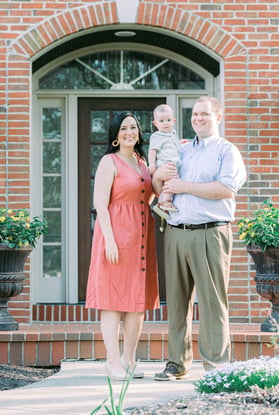 After completing a my Orthopedic Surgery Residency at the University of Virginia, I chose to complete an additional year of training in Sports Medicine Surgery at Vanderbilt University. There, I helped provide care for athletes with Vanderbilt Football and Baseball, the Nashville Predators, and the Nashville Sounds. Caring for athletes at the highest level was not only excellent surgical training, but also emphasized to me the value of non-operative interventions and therapies to keep people at their physical peak.
Do you have a favorite/most memorable case you’ve worked on? If so, can you describe that experience?
While I have helped many athletes return to the sports they love, it is equally rewarding to me to help a carpenter return to crafting furniture, or a mom regain the ability to hug her children after shoulder surgery.
What made you want to work at Beacon Orthopaedics?
Beacon has a wonderful reputation for providing excellent, timely, and compassionate surgical care for Cincinnati area patients. Being from Cincinnati myself, it is important to me to be a part of the best practice for my hometown.
Do you have any advice for young people who want to be doctors when they grow up?
There is an amazing array of opportunities in the medical field, each challenging and rewarding in its own way. It is important to take the time to shadow and understand multiple specialties before choosing your path. That is part of the way I found my passion for Orthopedics and Sports Medicine.
What is your most memorable sports fan moment? What team and what happened?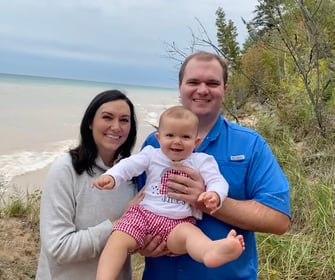
When I first brought my wife to a Reds game, she was 6 months pregnant with our son. With double digit strikeouts by Reds pitching, multiple Reds home runs, and even a bench clearing brawl, it was quite a memorable way to introduce my wife and son to Cincinnati baseball.
What’s your favorite comfort food?
Skyline Chili
Do you have a funny ortho or sports medicine joke?
Not a joke, but I do have a favorite cartoon. A gingerbread man sits on the exam table holding his swollen knee, and the doc is asking “have you tried icing it?”
Featured Physician: Timothy McConnell, M.D.
December 1, 2020
Timothy B. McConnell, M.D. is a board-certified and fellowship-trained orthopaedic surgeon. He completed his undergraduate studies at James Madison University and received his medical degree from the Medical College of Virginia in 1997. He then completed his internship in general surgery and residency in orthopaedic surgery at Boston University Medical Center. Dr. McConnell joined the Beacon Orthopaedics & Sports Medicine team in August of 2020.
Dr. McConnell is married to Dr. Jennifer A. McConnell and they have four sons together. He enjoys traveling, reading, exercise, and spending time with family and friends. In 2008, he received his Level 1 CrossFit Personal Trainer certification and competed in the CrossFit games in 2009. He also attended SEALFIT Kokoro 25 Camp in 2012 where he completed a 55-hour physical and mental experience modeled after U.S. Navy SEAL training.
What is your specialty?
I do not have a specific specialty. I enjoy all aspects of Orthopaedics.
What is your favorite part about being an Orthopaedic Surgeon?
I was attracted to being an Orthopaedic surgeon as a result of my involvement in high school and college sports. I played rugby in college and medical school and was an Athletic Training major in college. This allowed me to interact with the medical staff on a routine basis and spurred my interest in Orthopaedics.
 What made you want to work at Beacon Orthopaedics?
Beacon allows me the opportunity to expand my practice, being surrounded by the resources and partners needed to do so but while still providing my patients the individualized attention they deserve.
If you were a pair of shoes, what would you be?
If I were a pair of shoes, I’d be a pair of vintage Nike Bruins, a timeless classic.
Tell us about a recent competition or research project you’ve been involved with:
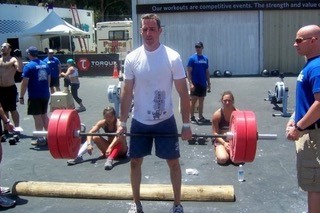
Although it’s not recent, in 2009, I competed with a team from Cincinnati in the CrossFit games in California (see photo).
Dr. Tim Kremchek Explains Joe Burrow’s Injury and Recovery Process
November 25, 2020
The content in this blog was written as an article by Charlie Goldsmith for the Cincinnati Enquirer. See the complete article here.
Cincinnati Bengals quarterback Joe Burrow reportedly suffered a significant, yet relatively common injury on Sunday against the Washington Football Team.
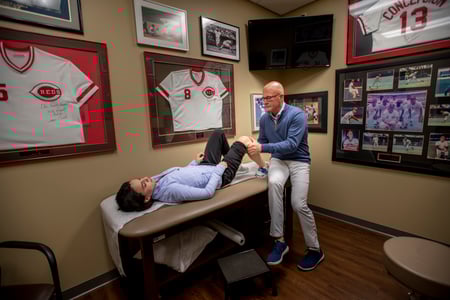 Early in the third quarter, Burrow dropped back to pass and took a hit to his knee after he threw the ball. Burrow tore his ACL, according to Ian Rapoport of the NFL Network. The Bengals would not confirm the NFL Network report of a torn ACL and Bengals’ head coach Zac Taylor is expected to give an update Monday on Burrow’s status.
Mercy Health, whose Dr. Marc T. Galloway is the team’s physician, issued the following statement via Nanette Bentley, spokeswoman for Bon Secours Mercy Health: “Due to health privacy laws, we are unable to comment.”
If Burrow did tear his ACL, Cincinnati Reds medical director Dr. Timothy Kremchek told The Enquirer there’s a realistic expectation that Burrow should come back in nine to 12 months, which ranges from late August to late November, 2021.
“At the quarterback position, they recover extremely well in a very predictable way,” said Kremchek, who has also consulted for NFL, college football and high school players at Beacon Orthopedics & Sports Medicine. “There’s a lot of optimism that he could come back 100% as long as he’s got the right treatment at the right time and we don’t rush him.”
When Kremchek saw the play, he said he knew Burrow had a “devastating” injury. Kremchek saw Burrow’s left foot plant before he got hit, and then he saw Burrow’s knee get pushed “severely inward.”
He said several other quarterbacks, including Tom Brady, have had a similar injury and returned to play at a high level.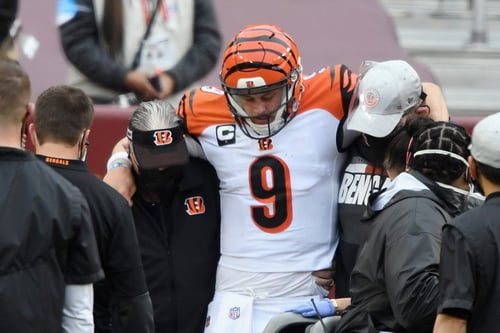
“That’s the type of injury where the knee takes all of the stress,” Kremchek said. “It’s a horrible way to get hit, so there’s no question he had significant ligament damage.”
Kremchek said Burrow’s knee likely started swelling within 20 minutes after the shock wore off. After heading to the locker room, it’s normal for a player to receive an MRI to ensure there’s no other structural damage to the leg.
For Burrow, Kremchek said potential areas of concern include the integrity of his ACL and MCL as well as his meniscus and his kneecap.
“If the ACL is torn, definitely the MCL was torn with it,” Kremchek said. “It’s not just going to be an isolated ACL. There are other injuries inside of the knee. To just say that it’s an ACL injury is probably underestimating it.”
Kremchek said Burrow will likely have surgery once the swelling in his knee settles down. Burrow’s next four steps will be “regaining motion, function, strength and big function.”
Kremchek said Burrow will likely take six weeks to regain motion in his knee. After that, Burrow will go through about four months of strength training, followed by four months of functional training designed to get Burrow to get back onto the football field.
The final step is sport-specific and position-specific training.
“You hope you can watch how he runs through training camp and hope that he can progress through training camp,” Kremchek said. “Then you hope Burrow can be close to being somewhat close to playing at the beginning of next year.”
I Completed Physical Therapy. Now What?
November 23, 2020
Step Down from Physical Therapy to Beacon’s Bridge Program for a Full Return to Health
Congratulations! You’ve had a successful surgery with a Beacon Orthopaedics physician AND you completed physical therapy like a pro. But you’re still not quite where you want to be physically. That’s where the Bridge Program comes in. It’s designed to ease the transition from injury recovery to full function, decrease your risk of re-injury, and improve strength, range of motion and balance.
It doesn’t just help our surgery patients though. It’s for…
-
- Anyone looking to return from injury to full strength and mobility
- Anyone looking to improve their level of strength and wellness
- Athletes looking to return to play or gain a competitive advantage
- Patients who have initiated formal physical therapy and/or received clearance by their Physical Therapist and Physician to advance to the Bridge Program
Bridge Program’s Certified Athletic Trainer
Josh True, ATC oversees our Bridge Program as lead Certified Athletic Trainer. With several certifications and intensive athletic training experience, helping everyone from middle school athletes to Olympians, Josh is uniquely qualified to offer this level of specialized care to anyone seeking it.
“My goal for our Bridge patients to gain confidence to return to their normal life and activities,” Josh said. “We start with a seven-point assessment, which enables us to create a unique plan of care for every individual. That plan assists us in making sure we can help patients regain whatever deficit they’re experiencing.”
What to Expect
When you begin as a Bridge patient, we start with an evaluation to establish your baseline. We’ll lead you through seven basic movement patterns and a variety of other tests connected to your condition to identify goals and develop the best overall plan of care for you.
“After surgery, I spent quite a bit of time in physical therapy. Despite all my efforts and hard work, I still didn’t feel like I was back to where I was pre-surgery. The Bridge Program did just that. After following Josh’s program, I felt like I was ready to get back on the court.” — Bridge Program Patient
How to Start
You can start the Beacon Bridge Program with a simple phone call at (513) 389-3666 or an email ([email protected]). It’s that easy. You can buy a single session or different packages — whatever works best for your situation. While your insurance won’t cover the Bridge Program because it’s considered training beyond physical therapy, you can use HSA or FSA to help cover the cost in most cases.
We currently offer this program at our Summit Woods location.
Orthopaedic sports medicine specialist on Burrow injury, recovery
November 23, 2020
To read the full article from WKRC, please click here.
CINCINNATI (WKRC) – Bengals fans are collectively holding their breath while waiting to find out the severity of Bengals quarterback Joe Burrow’s knee injury. Dr. Peter Cha, an Orthopaedic Sports Medicine Specialist and President of Beacon Orthopaedics and Sports Medicine, said the injury was a result of multiple factors.
“It was the perfect storm,” said Dr. Cha. “Putting all his weight onto that left knee and then gets hit high and then is posted low, so it was the perfect storm for a significant knee injury.”
Burrow was diagnosed with a torn ACL. However, reports say more damage to Burrow’s knee may be discovered over the coming days.
Dr. Peter Cha, an Orthopaedic Sports Medicine Specialist and President of Beacon Orthopaedics and Sports Medicine, on Joe Burrow’s injury and recovery
Dr. Cha believes, with the advances the sports medicine field has made over the years, Burrow will someday be able to once again return to the field and play at a high level.
“I feel very confident with the advances that we have with treating these athletic sports-related injuries,” said Dr. Cha. “I feel fairly confident he’ll be back playing at the level he was prior.”
ACL Reconstruction – Frequently asked questions that debunk the myths of ACL surgery
November 15, 2020
Surgical Treatment
When should I have my ACL fixed? – Timing of ACL reconstruction
There is no single perfect time for ACL reconstruction, and therefore timing varies from patient to patient. In general, patients should regain full ROM, reduce swelling, and have quadriceps control prior to surgery. Occasionally patients are involved in a preoperative therapy program and attainment of full ROM can take 2 weeks or longer. It has been suggested in research that full ROM prior to surgery can decrease postoperative rehabilitation time, and improve postoperative range of motion. One recent European study demonstrated superior long-term outcomes for patients that underwent 5 weeks of “pre-habilitation” prior to surgery. In general, the stronger a patient is entering surgery, the better and faster the recovery afterwards.
However, patients with associated meniscus tears or osteochondral injuries, for instance, could sustain further damage be delaying surgery. In a worst-case scenario, a repairable injury (ie. Meniscus tear) could become irreparable with further damage, delay in diagnosis, or continued participation in sport. Obtaining a high-quality MRI and a careful, individualized consultation with Dr. Rice will clarify the ideal timing for each patient.
ACL Reconstruction
Surgery for ACL injury is an ACL reconstruction using a tendon graft and is typically performed using arthroscopic methods. The surgeon makes small incisions so that a pencil shaped instrument with a camera and lighting system attached can penetrate inside the knee joint and see the inside structures. The inside of the knee can be seen on a TV screen and the surgeon will perform surgery through several small incision points around the knee. The tendon graft will function as a new ACL ligament, connecting the femur and tibia bones to prevent anterior (forward) translation of the tibia on the femur, which is the main function of the native ACL. Ultimately the surgery restores stability of the knee, allowing return to pivoting, shifting, jumping, and running activities.
Which ACL graft is best for me? Choosing among patellar tendon (BTB), hamstring, quadriceps, and the autograft/allograft debate
Graft Options
There are three common types of graft harvest sites for autograft ACL reconstruction:
+ patellar tendon: this commonly includes the central third of the patellar tendon with bone blocks from the patella and tibia; perceived advantages of this graft include high strength, composition similar to the native ACL, and healing of bone to bone, which may be more reliable and robust. BTB graft is often referred to as the “gold standard” of ACL reconstruction and has among the longest track record of success. Some studies report BTB Is the preferred choice for 80% + of professional athletes. Dr. Rice recommends this graft for most patients.
+ hamstring tendon: traditionally this includes harvest of the semitendinosis and gracilis tendons, although more recently techniques have been developed using only the semitendinosis in quadrupled form, if sufficient size and length exists. Hamstring tendons offer ease of harvest and may offer less postoperative pain for the patient in the early recovery period; many studies show comparable strength and long-term durability compared to BTB graft. Dr. Rice’s concerns with hamstring autograft include:
- anecdotal observations of increased postoperative laxity or (hamstrings seem to “stretch” out over time)
- native hamstrings function to dynamically control anterior tibial translation (theoretically ‘stealing’ an ally in ACL function, or “robbing Peter to pay Paul” in knee stability); sacrificing them to create a new ACL could harm the balance of the knee
- some (admittedly, a minority) of studies indicate higher rates of rerupture and recurrent instability with hamstring tendon ACLs
While hamstring remains a viable option, and has been a popular option for many years, it tends to exist as a third option in Dr. Rice’s practice for autograft reconstruction.
+ quadriceps tendon: less commonly utilized than the other two grafts but gaining in popularity, quadriceps tendon comprises a thick, strong graft choice that may include a plug of patella bone or be comprised of only tendon tissue. This option often typically provides a thicker graft than can be obtained by BTB or hamstring, and with less kneeling pain discomfort than BTB. It lacks bone-to-bone healing at one or both ends, however, and lacks the voluminous research the other two aforementioned grafts have, and much shorter followup in research literature. Quadriceps tendon graft is often the second choice for autograft ACL reconstruction in Dr. Rice’s practice.
It is important to discuss graft options with Dr. Rice to select the right graft for you. While some orthopedic research indicates lower re-tear rates with patellar tendon, a majority of the highest quality research indicates no significant difference among the three graft options, and successful outcomes are possible with all graft choices.
Do I want an ACL graft from my own body? What is the quality of a donor tendon for ACL surgery? Which ACL graft option results in less pain? Which ACL graft option will give me the best results?
Autograft versus Allograft Debate
In addition to harvest site, another difference in grafts to consider is autograft versus allograft. Allografts are harvested from cadaver donors while autografts are harvested from the patient undergoing ACL reconstruction. Each graft has advantages and disadvantages. Most orthopedic research has demonstrated lower re-tear rates using autograft tissue, and this is generally recommended in young competitive athletes under age 25. However, autograft requires additional incisions and may result in more early postoperative pain. Patients may perceive slower progress decreasing pain and restoring range of motion in the early rehab phase, although autograft completes the ligamentization process more rapidly than allograft tissue, and ultimate return to sport activity is the same or perhaps a month or two faster with autograft.
Patients choosing allograft may benefit from less pain immediately after surgery, and may feel better sooner, but the incorporation of the graft into a new ACL may take longer than autograft, and long-term re-tear rates are higher in allograft tissue. Additionally, although increasingly rare given modern testing and sterilization techniques, disease transmission of hepatitis and HIV remains possible, generally considered a 1: 1.6 million risk.
While individual needs and goals vary significantly among patients, in general, Dr. Rice recommends autograft ACL reconstruction for patients under 25 years old, and allograft is a reasonable option for patients over 40 years old. Patients between 25 and 40yo represent a “gray” area of the decision\-making algorithm and individualized discussion is necessary to make the best choice.
What are the general steps of ACL reconstruction surgery? How is ACL surgery performed?
Anterior cruciate ligament reconstruction is a surgical procedure to replace the torn ACL with part of the patellar tendon or hamstring tendon taken from the patient’s leg. The new ACL is harvested from the patellar tendon or hamstring tendon. The patellar tendon connects the bottom of the kneecap (patella) to the top of the shinbone (tibia). Hamstring is the muscle located on the back of your thigh. The procedure is performed under general anesthesia. Your surgeon will make two small incisions around your knee. An arthroscope, small video camera, is inserted through one incision to see the inside of the knee joint. Along with the arthroscope, a sterile solution is pumped into the knee to expand it and enable the surgeon to have a clear view of the inside of the joint. The torn ACL will be removed and the pathway for the new ACL is prepared.
For patellar tendon graft, your surgeon makes an incision over the patellar tendon and takes out the middle third of the patellar tendon, along with its attachment to the bone. The remaining portions of the patellar tendon on either side of the graft are sutured back after its removal and the incision is closed. For the hamstring tendon graft, a small incision is made over the hamstring tendon attachment to the tibia and the two tendons are stripped off the muscle and the graft is prepared.
The arthroscope is reinserted into the knee joint through one of the small incisions. Small holes are drilled into the upper and lower leg bones around the knee joint. These holes form tunnels in your bone to accept the new graft. The graft is then pulled through the predrilled holes in the tibia and femur. The new tendon is then fixed into the bone with screws, to hold it into place while the ligament heals into the bone. The wounds are then closed with sutures and dressed.
Long Term Expectations
ACL reconstruction surgery has a 90% success rate in terms of knee stability, patient satisfaction, and return to full activity, which comprise the primary goals of surgery. ACL reconstruction should also theoretically protect the menisci from further injury and slow degenerative changes in the knee joint, although orthopedic research proving this effect is still lacking.
The re-rupture rate of a reconstructed ACL is very low, generally 2-5% at an average of 2 years after surgery. Of equal or greater concern is the risk of subsequent ACL injury on the opposite leg, which increases substantially from 1 in 3,000 to 1 in 50.
Patients who opt out of ACL reconstructive surgery may experience further injury to the knee joint, particularly to the menisci. ACL-deficient patents are at higher risk for later meniscectomy, 20% over the 5 years following ACL injury. Also, 70% of ACL deficient patients have signs of osteoarthritis in the knee.
Complications
- Generalized complications such as infection, neurovascular injury, and thromboembolic disease are extremely rare (0.2-0.5%).
- Deep vein thrombosis is another low probability (.1%) complication.
- Graft misplacement complications due to the graft not placed anatomically can lead to motion problems, impingement, and graft failure. Careful attention to detail during surgery must be observed to avoid these complications, and this is increasingly uncommon as surgical techniques and technology have improved
- Other complications include knee stiffness (5-25% incidence), anterior knee pain (10-20%), Patellar tendonitis (20% in 1st year, then rare afterwards), Patella fracture (.3-1.8%).
ACL Injury in Children
Incidence: ACL injuries in patients younger than 14 years vary from 3% to 10%. However, sports are becoming increasingly more competitive at younger ages, thus ACL injury incidence is expected to increase among the younger population.
Treatment: Initially, an ACL injury in children is treated non-operatively, using a similar treatment plan as described above, especially in children with widely open growth centers. With patients who fail conservative, non-operative treatment operative treatment must be considered because recurrent episodes of pivoting cause cartilage and mensical damage, which can lead to early degenerative changes.
Special considerations must be made when deciding whether or not to move forth ACL reconstructive surgery in children. There is possibility of interrupting and/or arresting normal bone growth that can result in significant leg length differences or angular deformity. Physeal-sparing (avoiding growth plate trauma) ACL reconstruction can be performed for younger patients, and improvements and technology and surgical technique have opened this option to many patients previously ineligible for surgery. Nonetheless there remain concerns these surgeries sacrifice accurate restoration of the ACL anatomy for the sake of protecting the growth plates.
New Developments in ACL Reconstruction
While ACL reconstructions have allowed patients to return to high level sports and prevent meniscus tears, the surgery still has room for improvement. Recent studies of patients that had ACL reconstructions 10 years prior still develop early osteoarthritis. There has been a lot of interest in ACL augmentation and double bundle ACL reconstruction. These are surgical techniques that are aimed to preserve or replace the normal ACL in a more anatomic fashion.
ACL Augmentation
With ACL augmentation surgery, the goal is to preserve as much of the original ACL as possible while providing additional support via synthetic high-strength suture material. When the ACL is torn, the two bundles in the ACL may have varying degree of injuries. The attempt is to preserve the patient’s ACL so that it can heal together with the support of suture material, and by definition maintain the original anatomy of the ligament. Concerns with this technique include the poor healing potential of the ACL, although more recent studies suggest it may have better healing capacity than previously believed. Nonetheless this is considered an experimental procedure at this time and may hold promise in the future.
Double Bundle ACL Reconstruction
There are two bundles to the ACL, namely the AM (anteromedial) and PL (posterolateral) bundles. Historically, only one graft is used and the anatomical position of one bundle of the ACL is reconstructed. Two or double bundle ACL reconstructions are performed to reconstruct both bundles of the ACL. This operation technically is more demanding and may be indicated for selected patients such as highly competitive professional athletes. Laboratory testing demonstrates biomechanical superiority of double bundle ACL reconstruction under some conditions, but the benefits have not been clearly observed in real patients undergoing double bundle reconstruction versus single-bundle reconstruction. At this time both surgeries are considered acceptable alternatives and single-bundle reconstruction remains the procedure of choice for the vast majority of surgeries performed in the United States.
Celebrating National Allied Health Professionals Week
November 4, 2020
This week we recognize National Allied Health Week! Comprising nearly 60% of all health care providers, allied health practitioners greatly influence health care delivery by complementing and supporting the roles of our physicians and specialists at Beacon. This entire week, November 1-7, is dedicated to our team of allied health professionals who have a significant impact on our patients by providing diagnostic evaluation, treatment to diseases and disorders, and rehabilitation services.
Emphasizing their vital role in all healthcare systems, the demand for allied healthcare workers is growing nearly twice as fast as the national economy. Without the 7 million of them already working throughout the country, many patients wouldn’t receive the full spectrum of care they need — from specialized therapy, diagnostic services, or primary or urgent care to the many other types of professions and services they provide.
Who Are Allied Health Professionals?
The goal of National Allied Health Week is to raise awareness of the care these professionals provide and to give them recognition they deserve. It also creates a perfect opportunity to share the importance of allied health professionals, the need for their work in the healthcare system, and the collaborative care they provide to all patients ensuring they receive the best possible treatment plan for their needs.
Beyond Beacon, allied health professionals are the people in hospitals, offices, schools, and physician’s clinics that provide services relating to general health and the identification, evaluation, treatment, and prevention of diseases and disorders. Allied health professionals include:
- Physical, occupational and respiratory therapists
- Physician assistants
- Medical clinical laboratory scientists
- Emergency medical personnel (EMT and paramedics)
- Imaging specialists
- Audiologists and speech-language pathologists Informatics and information management personnel
- Orthotists, prosthetists, nutritionists, dietitians and more
Times of COVID
While allied health professionals have always had an important role to play in patient treatment, care and recovery, COVID-19 has enhanced their role even more to include supporting patients through the physical and mental impact of coronavirus — from patients to their loved ones. We thank all allied health professionals for their contribution to COVID-19 patient recovery and for the ongoing care they continue to provide to the broader community during this pandemic.
National Allied Health Professionals Week is recognized by the Association of Schools of Allied Health Professions, an organization representing allied health education and practice in the United States. It’s recognized the full first week of November.
Talk to Us
Do you have an allied health professional who has made a positive difference in your Beacon experience? Let us know! We want to hear about it.
Dr. Chaudhary Helps Law Enforcement Officer Return from Hip Surgery
November 3, 2020
THE Enquirer
To read the full article, click here.
Cop’s commander asks: “Are you sure you’ve had hip surgery?”
Cincinnati law enforcement officer Mike Bell delayed getting hip replacement surgery for as long as he could stand the pain. But nearly eight years ago, he finally reached his limit.
“I was worried about how it would limit my ability to continue my job. I was on the SWAT team, I was on patrol, I was very active,” Bell said.
Bell’s wife, an emergency room physician, recommended that he consult an orthopedic doctor. They went to see Dr. Robert Burger at Beacon Orthopaedics, one of Bell’s high school football coaches. An examination and X-ray revealed that Bell had significant arthritis in his hip that was causing frequent flare-ups. Dr. Burger referred Bell to Dr. Haleem Chaudhary, a hip and knee replacement specialist.
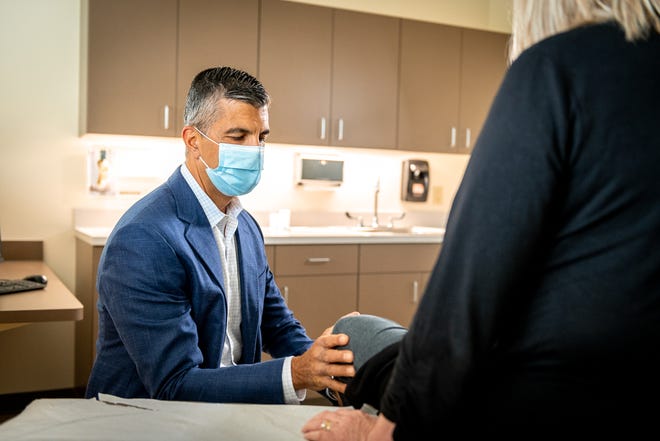
“I was very apprehensive, but Dr. Chaudhary had a great bedside manner from the beginning. He basically told me that I would make the decision about when I would need the surgery. My big concern was how it was going to limit my movement. He said, ‘well, the only change is you’re going to be able to do what you’re doing now, but without pain’”.
Bell’s concerns were no surprise to Dr. Chaudhary, who regularly works with law enforcement officers.
“It’s very gratifying to help people who are protecting us,” Dr. Chaudhary said. “It’s like doing a service back for them. They’re tough guys, so they don’t come for surgery easily. They have a high pain tolerance, and I think the nature of the job can lead them to downplay the symptoms.”
Bell was no exception. He held off until January of 2013, even while undergoing an aggressive regimen of endurance training and continuing to serve on the SWAT team. When the pain continued to get worse, however, he finally scheduled the procedure. The results took him by surprise as early as the morning after his surgery.
“I was absolutely amazed I could walk out of the hospital under my own power, no crutches, no walker, no wheelchair and to my wife’s amazement, I had a small suitcase with a couple of items in it,” Bell said.” Of course, I had some pain from the incisions and things along those lines, but within a very, very short time I could tell I wasn’t having the joint pain.”
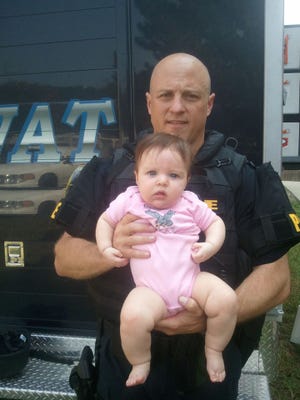
Bell had enough sick time built up to stay off work and focus on recovery. Soon, he was riding a recumbent bike at home to get the new hip accustomed to movement and making steady progress.
“Within seven weeks, I was back to full police duty with no restrictions. About a month after, that I was back to full duty on the SWAT team,” Bell said. “I was able to carry all the weight that we carry, the heavy vest, and everything along those lines.”
The big test came shortly after Bell returned to the SWAT team. While he had said he was “having a procedure done,” he hadn’t specified the type of surgery.
“My SWAT commander came up to me one day and said: ‘the rumor going around is that you had a total hip replacement,’” Bell recalled. “I said I did, and he said, ‘I’m keeping my eye on you today. If you have any signs whatsoever that you can’t complete the tasks, I can’t jeopardize the rest of the team.’
“He followed me the entire day through a series of very rigorous drills. We had heavy gear on and also had to make accurate shots. At the end of the day, he came up to me and said, ‘Are you sure you’ve had hip surgery?’”
Nearly eight years on, Bell is still active as a trainer on the police force, which often requires him to participate in physically demanding role-play scenarios.
“I’m one of the role-players that gets arrested,” Bell said. We’re up and down a lot. We’re being handcuffed. A lot of times we fall to the ground repeatedly or have to get back up. I’ve been able to maintain all of that well after the surgery, and I have absolutely zero problems with that hip.”

“I think with joint replacement, we battle against the misconception that it’s for older inactive people,” Dr. Chaudhary said. “But life doesn’t end with a hip replacement. If you can have a hip done and do the kind of stuff that Mike’s doing, you can pretty much do anything.”
“I was hesitant at first to have the surgery done, but afterward, my only thought was, ‘why didn’t I do that sooner?’ Because the pain was gone, but there was definitely a sense of confidence,” Bell said.
It’s World Osteoporosis Day: Time to Talk About Bone Health
November 3, 2020
Together, with the International Osteoporosis Foundation, we are recognizing World Osteoporosis Day to build awareness around the importance of bone health and strength.
What is Osteoporosis?
First, let’s start with defining Osteoporosis. Literally translated, it means “porous bone.” It’s defined as a condition where bones become thin and lose their strength. As they become less dense, their quality is reduced, which can lead to broken bones. Those breaks can cause pain, disability, and make everyday activities a challenge.
In the United States, osteoporosis and low bone mass are considered a major public health threat for nearly 54 million people — referring to men and women over the age of 50. A breakdown of those numbers show that of those at risk for osteoporosis, 10.2 million people have it. Of those, 80% are women. Treating osteoporosis is also costly. The economic burden is estimated at $17 billion and that was in 2005.
Are You at Risk?
Osteoporosis is common. One in three women and one in five men over the age of 50 will be affected by a broken bone due to osteoporosis. While it’s a serious condition, it is treatable and preventable with a healthy diet and lifestyle. There are some common risk factors. They include:
- Women have a higher risk of getting it, especially after menopause or a hysterectomy
- Family history
- Age
- Certain medications and prescription drugs have side effects linked to osteoporosis
- Some illnesses can weaken bones, such as rheumatoid arthritis, COPD, chronic kidney disease, HIV/AIDS, cancers, and more
- Smoking and drinking
- Low BMI and poor nutrition
- Sedentary lifestyle
Prevention Starts with Nutrition
Physical activity is key to maintaining good overall health. As we all know, nutrition is too, but are you eating for good bone health? The three biggest nutrients for building strong bones are calcium, vitamin D and protein. Check your daily recommended allowances and more with the Nutrition and Bone Health Throughout Life Fact Sheet from the International Osteoporosis Foundation. You can also take their Osteoporosis Risk Check to learn more about the state of your health. It is not a substitute for medical advice though.
If you’re concerned about your bone health, schedule an appointment with a Beacon back and spine specialist to find out what’s going on, and we’ll work with you to develop a care plan around your unique needs.
Beacon Orthopaedics adds rare surgeon to its roster
October 23, 2020
To read the full story by Cincinnati Business Courier’s Liz Engel, click here.
Cincinnati Business Courier – Liz Engel
A Cincinnati-based provider of sports medicine and orthopedic care has added a new highly specialized surgeon to its staff.
Dr. Joel Sorger, the Tri-State’s only orthopedic oncologist and a joint replacement surgeon, joined the team at Beacon Orthopaedics & Sports Medicine in September.
Sorger is one of only 120 orthopedic oncologists in the U.S., one of six in Ohio – and the only in Cincinnati, he told me. He has experience treating numerous types of orthopedic cancers, including Ewing’s sarcoma, osteosarcoma and other malignancies of the musculoskeletal system.
He joins Beacon after a seven-year stint at TriHealth. He said Beacon’s physician-led, private practice model was a major driving force behind the change.
“I think Beacon is a better fit for my personality, and it’s really not anything more complex than that,” he said. “I align really well with the goals that Beacon is trying to achieve and what they want to become.”
Dr. Peter Cha, orthopedic surgeon and president of Beacon, said Sorger serves a niche population and will treat some of the most complex cases in the Tri-State region. While bone and soft tissue cancers are rare in their own right, they do require specialized care.
Cha previously worked under Sorger as a resident at the University of Cincinnati College of Medicine; the two have kept in touch. Cha said the timing was right for Sorger to join the team.
“He is an innovator and the only one that really comes to mind when you think about orthopedic oncology,” Cha told me. “He’s probably the most versatile orthopedic surgeon in our region and really rounds out our roster.”
Beacon has seen an increase in surgeries logged over the last two years, said Cha, especially with the August acquisition of Montgomery-based Reconstructive Orthopaedics & Sports Medicine. Recon’s doctors had previously been affiliated with OrthoCincy, and the move added seven physicians to Beacon’s roster. Sorger brings the headcount to 35 physicians overall.
Sorger will seeing patients at Beacon locations in Montgomery, Beacon East in Anderson and Miamisburg. On top of orthopedic oncology, Sorger also uses advanced procedures for hip and knee replacements and general orthopedic surgery, a release said.
Sorger is also an employee of Cincinnati Children’s Hospital, where he serves as the sarcoma program co-director, and is a clinical assistant professor for Wright State University School of Medicine and an associate professor of orthopedic surgery at UC training residents and medical students.
Beacon maintains 13 locations across the TriState and offers comprehensive orthopedic care. It also provides medical direction and coverage for over 30 local high schools, five college athletics programs and professional teams including the Cincinnati Reds.
To learn more or schedule an appointment with Dr. Sorger, click here.
Bringing it Home with the Reds
October 9, 2020
The Reds 2020 season was one of many firsts. It was not the first, however, to be played during a pandemic. That first belongs to the 1919 Reds who played in the midst of the Spanish Flu pandemic. Then and now, however, the Reds gave weary Cincinnatians a reason to cheer. A momentary return to normal in an abnormal time.
Straight From the Dugout
On the frontlines of this history-making season was Beacon’s very own Dr. Tim Kremchek. Serving as the Reds’ longtime’ Team Medical Director, he was there through the bitter end. Right through the team’s wildcard series run at the playoffs.
“It’s a privilege to stand alongside these guys,” said Kremchek. “As they do every year, they gave it their all, and it’s my honor to help them maintain, or get back to, their peak performance levels — even through games like that 13-inning heartbreaker against the Braves.”
Following postponement after postponement of Opening Day, Kremchek didn’t worry about whether there would be one. Instead he was concerned with ensuring the team would be ready to go if and when that day came. He touched base with the players by Zoom weekly and even more regularly with those who had injuries.
“We didn’t know how or when the season would go, so we had to keep strength and conditioning training going to make sure that whenever game time came, the guys would be ready for it, and they were,” added Kremchek. “They played well, staying above .500, and despite some late season injuries, it was a solid year.”
While the 2020 season is over for the Reds, Kremchek has his sights set on 2021. All signs point to COVID-19 remaining ever-present through the post-season and into next year. What that means for how things will go then is still a question mark, but the Reds have to stay game-ready. The coming months are sure to hold more virtual workouts, Zoom check-ins and wellness programs for the Reds. Likely managed from a distance — all to keep them strong, healthy, and ready to once again give our city something to cheer about.
Fall High School Sports Still Going Strong
Dr. Kremchek’s focus for the Reds may be 2021, but he still has a laser-focus on the 2020 fall sports season for our local high schools. Beacon Orthopaedics is the official medical provider for 24 area high school athletic teams and many of them are heading into their playoff seasons, if they haven’t already.
From Young Athletes to Weekend Warriors, Beacon Experts are Here
Do you have a high school athlete who has some persistent discomfort? Pain is never normal. It’s our body’s way of telling us something is wrong, and the physicians at Beacon are here to help. We have same-day appointments and urgent care available. Telehealth video consultations are also an option. Schedule an appointment now.
The Tommy John Surgery Turns 46
September 25, 2020
We’re celebrating the 46th anniversary of the UCL reconstructive surgery — better known as the Tommy John surgery — with our very own Tommy John surgery expert, Dr. Tim Kremchek.
What is the Tommy John surgery? The procedure is named for former Los Angeles Dodgers pitcher Tommy John; the first person to undergo the surgery. Those who receive it have typically had an injury to their ulnar collateral ligament (UCL) in their throwing elbow. To fix it, the ligament is replaced by a tendon extracted from another part of the body — usually the forearm of the same arm.
The career-saving surgery was first performed by Dr. Frank Jobe in September 1974. It has gained significant prominence since then with impressive results. Because it’s largely a pitching-specific injury, surgeons with Tommy John surgery experience are limited to those who regularly work with baseball players. Our own Dr. Kremchek is a standout in this pool of surgeons. Well-known for his proficiency with the surgery, Dr. Kremchek has performed over 2,000 Tommy John surgeries, with the first performed in 1995.
IN KREMCHEK THEY TRUST — CINCINNATI MAGAZINE, 2014
Cincinnati Magazine featured Kremchek in 2014, which spotlighted his expertise with the Tommy John surgery. Check out that excerpt in the following or read the full article here.
 Prior to Dr. Frank Jobe repairing Tommy John’s left UCL, an injury of that nature was career-ending for pitchers. The procedure has yielded strong results since then, but because it’s largely a pitching-specific injury—damage is generally caused by torque from a repeated overhead arm motion—the pool of surgeons adept at the surgery is limited to those who work with baseball players on a consistent basis. Kremchek was determined to become one of them.
“I’m going to be good at this,” he told himself early on. “I’m going to learn who needs it, how to do it, how to rehab it, and I’m going to stake a claim to it in this region.” It took him almost four hours to complete his first Tommy John on a high school ballplayer in 1995. Since then, he’s performed more than 1,500 (in 2020, that number is north of 2,000). He now does them in about 30 minutes.
“Tim was very talented. You could tell right up front that he was scheduled for stardom as a surgeon,” says Andrews (James Andrews, the preeminent name in orthopaedic sports medicine. Longtime doctor for Auburn University and University of Alabama athletics, as well as the Washington Redskins, he founded the Andrews Sports Medicine and Orthopaedic Center in Alabama and has operated on the likes of Michael Jordan, Albert Pujols, and Tom Brady.). “When I train fellows, my goal is to see them move up the ladder, become more successful and more prominent. Certainly, Tim is one of the individuals who has done that.”
It’s a prominence Kremchek has worked hard for, and also one he’s well aware of. He’s good at what he does, he knows it, and he’s happy to tell you all about it. “I’m very proud of the fact that after 18 years, people don’t understand how I can be so involved with the Reds, and my high school teams, and colleges, and work a busy practice, and teach fellows, and not be burned out,” he says. “I love when people say to me, How do you do it? I love it. I just smile. People don’t get it.”
But even a man with this much pride has his limits.
“Oh yeah, I remember this like it was yesterday,” says Kremchek, removing his metal-frame glasses and setting them on the table as he leans back in his seat. “I had a guy come in around ’99, ’00, and his son wasn’t throwing very well. The kid was 15. The dad wanted him to throw harder, thought he could be a better pitcher, his breaking balls could move more. The kid had no pain, no problems, no nothing. But his dad said that if I do this for him, it will make him better.”
The request was an elective Tommy John surgery. The potential patient had no UCL damage, but because the rehab can often help pitchers get stronger and throw faster once they return to form, the father decided surgery was the optimal route.
“I looked at him like he was stupid,” says Kremchek. “There’s no chance I would do that. NONE.” He puts his glasses back on. “I don’t know what happened to that kid. Maybe somebody did a Tommy John on him. I hope not.”
Even with a modern success rate of nearly 90 percent—Tommy John himself went on to pitch for 14 more seasons following his maiden operation—the surgery has become almost an epidemic within the sport. A 2013 study found that nearly a third of all active major league pitchers had undergone the procedure at some point in their careers.
Kremchek figures he’s been approached about elective Tommy John surgery roughly 10 times in the past 15 years, ranging from high schoolers to big leaguers. Each time he’s firmly turned them away, but he’s also gotten more and more desensitized. So he finally decided to do something about it.
“The problem with Tommy John is that there is an ignorance about it, and there are ways to prevent it,” says Kremchek. “I’m not going to cure cancer, but one of the things that comes with my job is a little bit of notoriety, so it’s my duty to go around our community and talk to coaches and parents and players and make them understand the things we can do to diminish these injuries.”
Kremchek has made it a personal crusade to preach education and prevention in regard to UCL injuries—things like proper throwing mechanics, moderation, not throwing breaking balls until a kid is skeletally mature—in addition to choosing rest and rehabilitation over surgery whenever possible, particularly among his younger patients. In July of last year, both Kremchek and Andrews appeared in a Canadian documentary titled Too Many Miracles, warning against the dangers and injustices of elective Tommy John.
“It’s unbelievable what some parents push their kids to do. It’s a form of child abuse,” says Kremchek. “Youth baseball has become very competitive, very cutthroat, but I’m not going to be one of those people. I love doing Tommy Johns when they’re needed—I hate seeing it, but I love doing them—but I’m not going to do it like that. No chance that’ll happen. Ever.”
Ababy-faced 15-year-old freshman from Lakota West High School is wheeled into the operating room just before 9 a.m. on an early-December morning.
“What kind of medicine did you give me?” the patient asks, slurring his speech.
“Just some pain killers,” responds the assistant steering the hospital bed. “Good stuff, huh?”
The patient’s eyebrows arch upward as he gently nods his head and slips into unconsciousness.
Kremchek’s been rehabbing the kid’s right elbow for nearly two years, trying to mend his injury through rest and improved throwing mechanics. He’s a typical case—select baseball leagues, sports-focused family—and there was no convincing him to change positions or give up the sport, even once the injury progressed to the point where Tommy John surgery was the only option.
In spite of the high success rate, it’s unquestionably a complicated procedure with plenty of room for error. Ideally, a healthy ulnar collateral ligament provides tension in the elbow, connecting the ulna (forearm) and humerus (upper arm) bones. But when pitching a baseball—even once—the force put on one’s UCL by that motion is more stress than the ligament can tolerate. Bone anatomy and muscle help to offset some of this pressure, but over time, the UCL will inevitably break down. “The arm only has so many pitches in it,” says Kremchek.
With the young patient now out cold on the operating table, Kremchek dons a smock, snaps on a pair of gloves, and slides a stool to the table as Steely Dan plays over the room’s sound system. His first incision is in the boy’s right forearm—just below the wrist—to retrieve the palmaris longus tendon, an otherwise pointless body part that will now serve as a UCL replacement. Measuring about 15 centimeters in length and the width of a linguine noodle, the tendon is handed off to an assistant who cleans, sterilizes, and stretches it as Kremchek moves down the arm and slices into the inside portion of the elbow, cutting an incision roughly the circumference of a tennis ball. He splits the flexor digitorum and flexor carpi ulnaris tendons, pushing aside clumps of scar tissue that look like strawberry jam, exposing the elbow joint and the ulnar nerve (often referred to as the “funny bone”). Navigating around this is the trickiest part of the procedure—damage to the nerve is the most common complication of Tommy John surgery.
Next, Kremchek drills two converging pea-size holes in the ulna bone and three more in the humerus. The assistant hands the palmaris tendon—stretched to 17 centimeters—back to Kremchek, who uses the holes as alleys through which to weave the tendon in a figure-eight pattern before sewing both ends into frayed pieces of the damaged UCL. This helps the body develop the tendon into a new ligament over time through a process called ligamentization. The complexity and precision required of the procedure in such a thronged and confined space is incredible: Completing the surgery in four hours seems like a far more reasonable expectation.
Kremchek is fully aware of the difficulty involved. “It’s not an easy process,” he says. “If you don’t do many of them, you probably shouldn’t do them at all.”
Once everything is in place, the doctor briefly tests range of motion of the new ligament, gently moving the forearm back and forth and stretching the tendon. After about 40 minutes—it took him a little longer than usual to retrieve the palmaris this time—the doctor pushes back from the operating table and removes his smock and gloves as the assistants sew up the incision.
He washes and steps out to chat with the patient’s mother—a tiny, middle-aged woman wearing a red windbreaker—recapping the surgery broadly. “That whole ligament was scarred into the bone. That’s what hurt,” Kremchek explains. “It just wasn’t right.”
For the kid, the easy part’s over. His rehab schedule—which is the same for all Tommy John patients—starts with physical therapy the very next day to work on getting back his full range of motion. If all goes as planned, he’ll be out of a brace and working on strengthening exercises in four to six weeks. He can start throwing at four months, pitching off the mound at six months, and by the nine- to 12-month range, will be cleared for action and throwing full tilt.
The mother nods and smiles, ecstatic that all went as planned. Baseball is important to her son, she says, but it also keeps him hanging with the right crowd and invested in school. Regardless of whether he goes on to a career in the sport, a healthy pitching elbow will at least give him a piece of his life back for the next few years. “That’s what it’s all about,” says Kremchek.
Schedule today with Dr. Kremchek.
WCPO – Reggie Wilson
September 22, 2020
To read the full story by Reggie Wilson, click here.
Local brothers who wrestle collegiately help each other get back on the mat after knee surgery
MILAN, Ind. — When you have a brother, you always have a friend. Somewhere along the way, the friendliness turns into competition.
John and Jacob Rohrig, both graduates of Southeast Indiana’s Milan High School, were born a year and a half a part, and they’ve been wrestling since the seventh grade.
“All year long it’s me and him going, who’s the best one,” John Rohrig said. “We used to have wrestling tournaments in the living room.”
John, 21, currently wrestles at Norwich University in Vermont. Last fall while wrestling with a teammate, his knee popped out of place.
“I kept trying to get it back into place but it never went so we just kept wrestling,” John Rohrig said. “We decided to go on like a three-mile training run afterwards, and we get back to the wrestling locker room, he looks at me and he goes, ‘Dude your knee is huge.’ So it was like twice the size.”
 John tore the meniscus in his right knee, ending his season.
“I’ve had issues with my knee already, and all I could describe it as was a popping sensation in my knee,” Jacob Rohrig said. “I wasn’t even wrestling. I was playing backyard baseball just running, when it finally just let out and wouldn’t go back.”A few months later, only six matches into his freshman year at the University of Indianapolis, Jacob endured the exact same injury.
The two brothers had surgery four months apart.
“To happen that soon, we were kind of shocked,” Jacob Rohrig said.
Dr. Robert Rolf at Beacon Orthopedics performed both surgeries.
“It kind of helped that I knew what his brother had gone through,” Dr. Rolf said. “Before they get back to the mat, you’ve got to make sure that thing is healed because if they try to bend their knee and they put pressure on that meniscus before it’s healed, they can re-tear it.”
The pandemic allowed the brothers time to fully heal and now they’re lifting each other up, on their way back to the mat.
“Jacob just got released not too long ago for his running and working out so we do a lot more outside workouts,” John Rohrig said. “So I’m trying to get him back in shape and he’s trying to be my partner to help me stay in shape.”
The Rohrig brothers continue to wait to see if they will be able to compete next season, due to COVID-19.
To learn more or schedule an appointment with Dr. Rolf, click here.
After double knee replacement, former college athlete still active
September 8, 2020
Beacon Orthopaedics has made it possible for this septuagenarian to keep playing sports.
When John Linneman, 71, had his first major knee injury, he was determined that it wasn’t going to keep him off the courts. It didn’t stop him then, and it’s not stopping him now.
 In his youth, Linneman played basketball and tennis at St. Xavier High School, then went on to play for Bellarmine University in Louisville, Kentucky. His younger brother Jay played for Elder High School, but they didn’t have the chance to play against each other, since Jay was five years younger. Linneman also swims and plays golf.
“Our whole family is very active,” Linneman said. “We played a lot of sports as kids. After college, I played in many basketball leagues over the next 35 years and always tried to stay active playing tennis. In later years, Jay and I played in the same leagues together.”
Linneman’s active lifestyle was interrupted in 2008 when he tore his meniscus, a thin layer of cartilage between the shin and thigh bones, while playing team tennis. He sought help right away.
“I just walked into Beacon Orthopaedics one Saturday morning, and I got Dr. Timothy Kremchek,” he said. “They tried cortisone shots, and then in 2009 Dr. Kremcheck did meniscus tear surgery on my right knee. It went very well, and I was able to play for another 10 years on that knee.”
It was a different story a decade later, when Linneman had a similar injury in his other knee.
“I’m 10 years older now, and I’ve got a lot of arthritis in the knees,” Linneman said. “We tried cortisone shots and gel shots, but there really wasn’t anything else we could do for it. With the arthritis, it was just too painful.”
Several of Linneman’s family members had received knee replacements from Dr. Michael Swank. Linneman also got the same recommendation from his brother’s wife, a registered nurse.
Swank suggested several possible types of replacement knee joints. Linneman chose the Smith & Nephew Journey II XR, a model that had been released fairly recently. One of the key advantages of this model is that it doesn’t require major ligaments to be cut.
“It’s a minimally invasive knee replacement for active individuals,” Linneman said. “They don’t cut the ACL or the PCL, so my recovery was a little faster than someone who had those ligaments severed.
At the time, this particular replacement knee was so new that Swank encouraged Linneman to participate in a 10-year study being conducted by the Lindner Research Center.
“Dr. Swank’s staff was wonderful, and the new knee works very well for me,” Linneman said.
 Linneman’s brother Jay also had a knee replacement from Swank in 2019. And when Linneman needed his other knee replaced earlier this year, he turned to Swank again. By that time, Swank and seven other OrthoCincy physicians had joined the Beacon Orthopaedics team. Linneman currently does his rehab work at Beacon’s Fairfield office, one of four new locations added at the beginning of August.
When contacted for this interview, Linneman had just returned from his first workout at Mt. Airy Elementary, about 10 weeks after his surgery, and plans on rejoining Queen City Racquet Club when his knee is thoroughly ready.
“I wanted to see how I could move and did some footwork, hit some balls on a bang board for 20 minutes just by myself, and I’m pleased,” Linneman said. “I think I’ll be able to get back on the tennis court a lot faster than I did for the first knee.”
In addition, Linneman is already seeing benefits in other activities he enjoys.
“I joked with Dr. Swank that since I got back to playing golf, my slice has been cured,” Linneman said. “I’ve got a little fade, but my slice is gone. My handicap is down about 5 points since the second knee replacement, and I couldn’t be happier.”
We’re All Athletes
September 4, 2020
From Slopes to Ropes and Just Trying to Cope, Dr. Todd Grime Gives Patients New Hope
Whether a patient wants to get back to the slopes, hit the ice or simply walk around the block, new Beacon physician Todd Grime, M.D. has treated them all, and he approaches each person with the same mindset.
 “Every patient is an athlete. It doesn’t matter if people are playing sports professionally, in their spare time, or they just want to walk without pain,” Grime said. “I learned that early in my career. No matter what goal my patients hope to achieve, there’s a lot of fulfillment in helping them reach it.”
Grime knows a thing or two about seeing patients from all walks of life. Starting his career in Buffalo, NY — after completing medical school at the Medical College of Ohio, his residency at Barberton Citizens Hospital and a fellowship for Primary Care Sports Medicine at the University of Kentucky — the orthopedic group he worked with afforded him the opportunity to practice sports medicine on the slopes with skiers and snowboarders, the sidelines with the Buffalo Bills, and the ice with the Buffalo Sabres. He even found himself ringside with USA Boxing, treating professional lacrosse players and Tae Kwon Do fighters.
“Some doctors are very specialized, but personally, I like variety. Of course, there are similar injuries that appear in athletes across multiple types of sports, but different athletes have different injury patterns. Learning those variances challenges me, and that gets me excited,” Grime shared.
Making the Move to Beacon
When the chance to move to Beacon presented itself, Grime found it to be a no-brainer. He and six other physicians, Drs. Matthew Langenderfer, Kevin Shaw, Vincent Sammarco, Joshua Murphy, Timothy McConnell and David Lustenberger, joined us just last month.
“Beacon is a leader in the area. It was a great opportunity for the group of doctors I was with. We were all excited as soon as we learned about it,” Grime stated. “Plus, more Beacon physicians means increased access to orthopedic care for communities on the West side. Our patients can get answers even faster than before, and we can get them on a treatment plan more quickly so they can get back to their lives.”
 Getting to Know the Community
 Getting to Know the Community
Grime will work out of Beacon’s West Side locations, including Batesville and Lawrenceburg. A move that brings his career full circle as he will once again be near a skiing area. Perfect North Slopes is just a short ten-minute drive away. Of course, with such a wide-range of experience, he also looks forward to treating athletes involved with more mainstream sports, like football. This fall, he’ll be under the Friday night lights with several local high school teams — caring for the players and getting to know the community.
“As soon as I got a taste of sports medicine, it clicked for me,” Grime said. “Being with people and helping them achieve their goals makes what I do enjoyable. There’s a good deal of reward in that.”
As a board-certified sports medicine physician specializing in primary care sports medicine, Dr. Grime has more than 15 years of experience in nonsurgical treatments and athletic injury prevention.
Extended Beacon Hours
With the recent addition of seven physicians, including Dr. Grime, Beacon is extending the hours of our Batesville, Lawrenceburg and Beacon West locations. Dr. Grime will at each of these locations at the following times:
Batesville
Monday: 9:00 a.m.–11:30 a.m.
Wednesday: 9:00 a.m.–11:30 a.m.
Thursday: 1:00 p.m.–5:00 p.m.
Lawrenceburg
Monday: 1:00 p.m.–5:00 p.m.
Tuesday: 9:00 a.m.–11:30 a.m.
Friday: 9:00 a.m.–5:00 p.m.
Beacon West
Wednesday
1:30 p.m.–5:00 p.m.
You can schedule an appointment with Dr. Grime or any of our physicians online or by calling 513-354-3700.
Get Hip with Your Hips
September 1, 2020
Keep Your Hips Healthier in 3 Steps
Story time.
You’re leaving a friend’s house. You step out of the doorway as you say goodbye. In the darkness, you don’t notice that first step is a doozy, and you miss it. You start to fall, but you catch yourself. At first you feel relief. You didn’t fall — it’s all good. But in the coming days, you realize it isn’t all good. Something isn’t right, and you ultimately find yourself in our office with severe hip pain.
This true story is something we see all of the time at Beacon. Some hip injuries are more severe than others but all of them are painful — and more than a few of them are potentially preventable.
As we age, preserving and strengthening our hips becomes drastically more important. And while our focus tends to be on the shape of those hips on the outside, our physicians are concerned about the mechanics of them on the inside. The ball and socket joint that keeps your hips humming endures a lot of strain over the years, and without giving them the attention they need, they’ll eventually let you know they’ve been neglected.
Common Hip Injuries
Women most commonly experience arthritis, hip fractures, tendonitis, bursitis, hernias and gynecological issues. Men similarly encounter arthritis, bursitis and fractures, but they also need to be aware of muscle strain, tendinopathy and torn labrums.
(Know the difference: tendinopathy is a degeneration of the collagen protein that forms the tendon while tendonitis is inflammation of the tendon.)
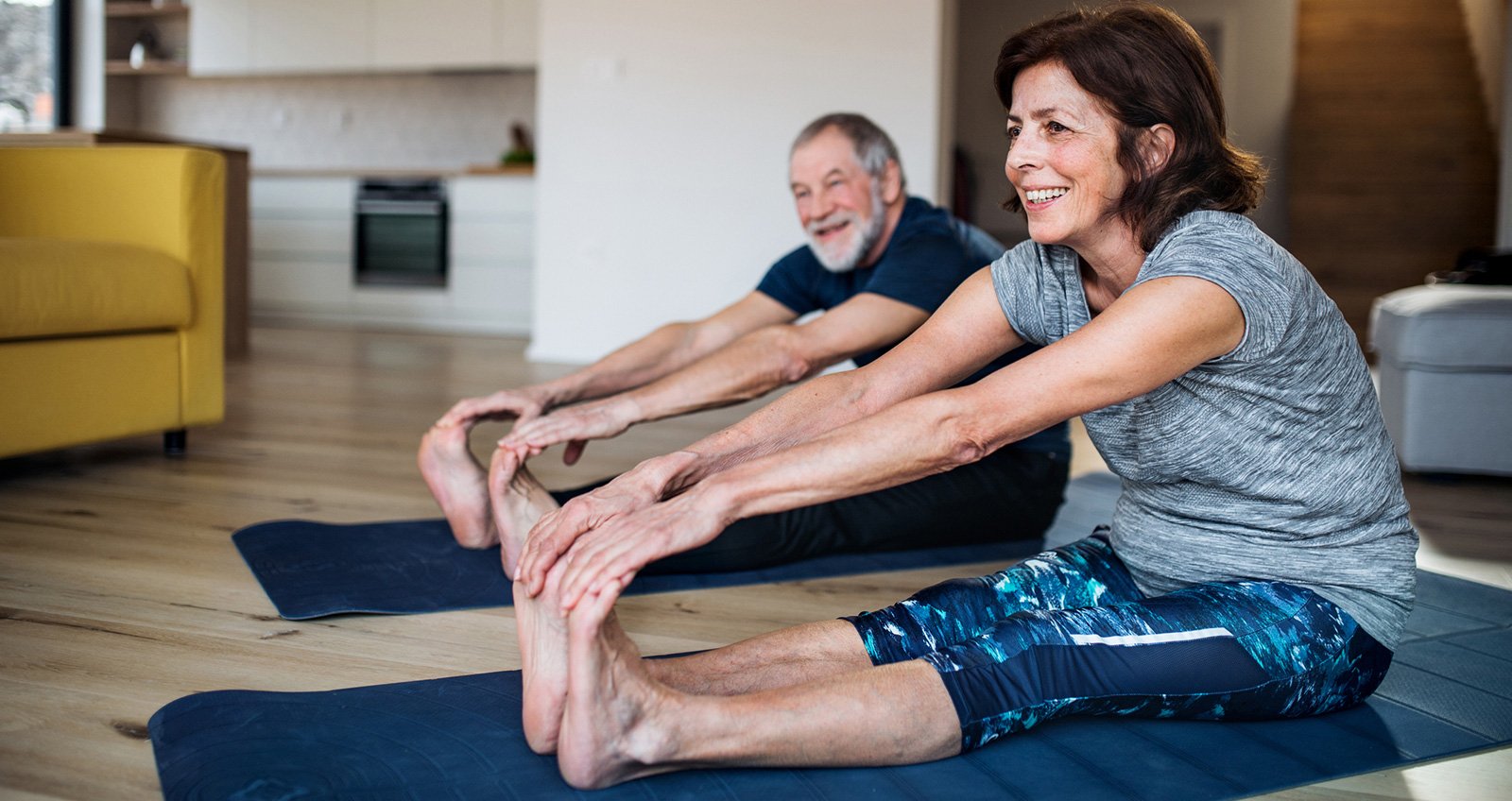
1. Stretch It Out and Work it Out
It might seem too easy. It might seem like healthy hips should require some complex training regimen or magical elixir to keep them in peak performance. You’ll be relieved to learn that it doesn’t have to be too hard. The hard part is actually carving out the time in your busy life to show them TLC. Try out the following, and if you feel pain at any point, stop and consult your physician.
Kneeling stretch: Kneel and place one foot in front of you — knee over ankle. Then, tuck your hips to place a stretch on the kneeling leg. Hold for 20 seconds and repeat on the opposite leg. Do three reps on each side.
Figure-four glute stretch: Lay on your back with your knees bent and feet flat on the floor. Place one ankle across the other knee to stretch your glute. Hold for 20 seconds and repeat on your other side. Repeat three times.
Butterfly stretch: In a seated position, place the soles of your feet together and grab your toes. Bring your feet toward your groin. Hold for 20 seconds and release. Repeat three times.
Hip raises: Lay in a starting sit-up position with your knees and feet together. Press through your feet and raise your hips as high as you can. Hold for five seconds and return to the floor. Do three sets of five repetitions.
Leg lift: Lay flat on the floor while keeping your knees and feet together. Slowly lift your legs off of the floor to a 45-degree angle. Return them to the floor. Do three reps of five.
2. Maintain a Healthy Weight
Not to sound like a broken record, but weight is truly important to your overall health — and that includes your hips. The amount of weight you put on your hips directly affects the amount of pain you experience, especially if you have arthritis.

3. Eat a Balanced Diet: Closely tied to maintaining a healthy weight is eating a balanced diet. Giving your body vital nutrients helps keep you well, but let’s get specific about it. Vitamin C supports collagen formation, which is important to cushioning and lubricating hip bones and sockets. It also improves bone health to help prevent fractures. Beyond that, include a range of anti-inflammatory and antioxidant-rich foods as part of your daily intake.
Need More Hip Help?
Are you concerned about your hip health or experiencing a pain that just won’t go away? Chronic pain can be indicative of arthritis, osteoporosis or even a stress fracture. If you’re experiencing pain, you don’t have to live with it. Get expert care by making an appointment with the joint specialists at Beacon.
Child Injuries and Injury Prevention
August 27, 2020
We are all facing more time at home—and therefore the risk of home injury. While you would normally be gearing up for kid activities or sports, now you are forced to entertain at home…yikes. Child injury prevention, and home safety, is even more difficult with no break in sight. You may be shouting, “Get me out of here!” Here are a few reminders and what kinds of orthopedic foot and ankle injuries can occur while staying at home.
For the young ones, it is often all hands on deck. Constant monitoring is needed. Falls from standing can occur, but often, injuries requiring medical evaluation are from a height. Stairs are particularly dangerous while everyone is forced into be in the house. Stairs are one of the most common mechanisms of injury I see for ankle fractures in adults. Here are some tips for those parents:
- Use baby gates for age appropriate children

- Do no leave object on the stairs
- Make sure there is adequate lighting for ascending and descending stairs

Kids are active at home now more than ever. Trampolines are increasingly common to pass time. In 2018, 30,000 injuries were treated, and this is likely to increase. In the leg, ankle sprains are one of the most common injuries reported from trampolines, but we have seen fractures and other injuries requiring surgery, too. Safe usage is meant to curtail these injuries:
- One child at a time is safest
- Child must be at least 6 years old
- Ensure equipment is working and maintained
- Adult supervision is recommended
Playground equipment is also a hot spot for children injuries. Falls are the most common and severe injury seen by medical personnel. Slides also are precarious when an adult takes a child with them. The leg of the child can get caught underneath the adult, fracturing the tibia.
- Lead children to age appropriate equipment
- Adult supervision is recommended
- Appropriate padding underneath the equipment should be present
Child injuries can be assessed by us at Beacon Orthopaedics via in-person clinical evaluations and telehealth online visits. Appointments can be made online or by phone at 513-354-3700. To stay in touch with updates and information, follow us on Facebook, Instagram, Twitter. We are ready to help.
Come to Beacon Orthopaedics & Sports Medicine
If you have a foot or ankle injury, come to Beacon Orthopaedics. We specialize in all things orthopedics, from hip and knee injuries to spine surgery. Contact us today for more information! Click here to schedule an appointment with Dr. Miller for foot and ankle injuries.
From the Hardwood to the OR: Dr. Drew Burleson’s Story
August 18, 2020
When Drew Burleson was a senior in high school, life was good. He was a standout on the basketball court and in the classroom. He even got the chance to play against a 17-year-old at the time named LeBron James, multiple times. He earned a scholarship to continue his playing career for Wright State. It was there he found his life’s purpose.
As a collegiate student-athlete, he learned discipline — juggling rigorous training and weight lifting before, during and after each season, three to four hour practices, film sessions, and road trips, in the midst of a tough academic schedule. He developed patience too, and teamwork, dedication and resilience. Perhaps most importantly, he learned about the restorative power of orthopedics and sports medicine and the critical role they play in helping athletes and non-athletes alike live life to the fullest.
“The orthopedics and sports medicine staff at Wright State was instrumental in shaping my passion for orthopedics,” Burleson said. “Being around their team and seeing their passion in getting athletes back on the court was really refreshing.”
As a four-year starter on the Raiders basketball team, Burleson endured his share of injuries, some nagging and minor and others more serious. He spent time with the team’s medical and athletic training staffs and chatted up the team doctors frequently, even shadowing on multiple occasions. He was amazed at how their skill could transform athletes and get them back to full strength and doing what they love. They did it for him, and they did it for countless others. Burleson had found his calling. Make that Dr. Burleson.
He stayed at Wright State for medical school and did his fellowship at the Kerlan-Jobe Clinic in Los Angeles. While there, he provided care for some of the world’s elite athletes as assistant team physician for the Los Angeles Rams, L.A. Dodgers, L.A. Kings, L.A. Clippers, L.A. Galaxy, L.A. Sparks, Anaheim Ducks, Anaheim Angels and University of Southern California football team.
“To see those athletes on a day-to-day basis was really eye opening. Their bodies are their life in a way, and they all worked extremely hard to take care of that. It was truly a dream come true to be a part of it.”
In 2018, Dr. Burleson joined the growing team at Beacon Orthopaedics & Sports Medicine, combining expertise in the latest surgical techniques for the knee, hip, shoulder and elbow with the high-level playing experience that only a former athlete can bring. Now working from locations in both Dayton and the Cincinnati Sports Club, he understands the physical aspects of injuries and recovery, but also the emotional and psychological toll they can have.
“I understand how hard an athlete works at their craft, and to have an injury, it can be difficult both physically and mentally. I can really sympathize with patients who just want to get back on the floor, and my staff’s number one goal is to help them accomplish that.”
In today’s ultra competitive athletics environments, Dr. Burleson recommends a well-rounded approach for young athletes. Don’t specialize too early and play multiple sports if you have an interest (Dr. Burleson played four sports in high school before focusing solely on basketball in college). When you’re feeling pain and discomfort, physically or emotionally, seek help. Don’t let the small problems fester into bigger ones. And perhaps most importantly, don’t let orthopedic issues stop you from doing the things you love or the jobs you need. There are always solutions to explore.
“At the end of the day, my medical staff and I want what’s best for the patient. We want to help them get back to their normal routine. In doing that, we strive to provide top level care to everyone that walks in the door.”
To learn more or schedule an appointment with Dr. Burleson, click here.
Beacon Orthopaedics adds 7 physicians and 4 locations
August 7, 2020
Featured in the Cincinnati Business Courier and Cincinnati Enquirer.
On Aug. 1, Beacon Orthopaedics & Sports Medicine expanded both its care team and its area locations. This larger group creates increased patient access to orthopedic care, physical therapy and MRIs.
“We’re bringing on seven additional physicians who practice in Montgomery, Fairfield and South Lebanon,” said Andy Blankemeyer, CEO of Beacon. “These are long-standing physicians in the community, and they’re full service. It also increases our capacity to provide care to patients who are looking to come to Beacon for a superior level of service.”
In addition to six new surgeons, Beacon has added a primary care physician, plus the doctors’ team members and four new office locations.
“It allows us to expand Beacon and extend our footprint into new markets, including Fairfield and South Lebanon,” Blankemeyer said. “We see a lot of patients from those areas. Now, rather than driving down to our nearest office in Sharonville, they can receive care right in their backyard.”
The physicians who recently joined the group have been interested in Beacon for some time, both for its reputation and its business model.
“Beacon is such a strong name in the community and the region,” said Dr. Matthew Langenderfer, one of the new surgeons. “It’s a very large, well-ranked group with lots of offices, plus very efficient and successful surgery centers. The costs are low, and the quality is high.”
Langenderfer and his colleagues aim to transition their existing patients smoothly into the Beacon system. They’ll continue to work with their existing physicians at the same locations. Some patients may even see cost savings from improved economies of scale.
“Ultimately, we want to make this the most effective and efficient thing for our patients as possible — providing the best care at the least cost,” Langenderfer said. “Beacon has really mastered that.”
Beacon’s team members are excited about having expanded their physician network to 34 doctors and 13 locations, and the benefits that will provide to patients.
“The most important thing is that these individuals are all at the top of their game,” said Dr. Peter Cha, president of Beacon and an orthopedic surgeon. “They provide the highest level of orthopedic care and really function on the three basic tenets on which we built our platform: quality, access and value.”
Physicians in both groups have known one another for many years — and in some cases trained together at the same university.
“The combination of our groups has been a long time coming,” said Dr. Timothy Kremchek, an orthopedic surgeon at Beacon and the medical director of the Cincinnati Reds. “This is really a merging of cultures of surgeons who are like-minded individuals. Numerous physicians in our group have known each other and been very collegial for decades. I’ve known these guys forever, and I’m so happy that it’s finally come to fruition.”
“Our patients will find that it’s going to be a good experience for them,” Langenderfer said. “I think we’re making something very good even stronger.”
Beacon Orthopaedics & Sports Medicine physicians treat the pros, student-athletes and everyday heroes. Book an appointment to experience the Beacon difference.
How to Tell If You Have A Dislocated Shoulder
August 7, 2020
The shoulder is often dislocated joint in the human body. It occurs when the upper arm bone (the humerus) pops out of the shoulder socket that’s connected to your shoulder blade. Most people know right away when they’ve dislocated their shoulder due to the intense pain that’s associated with it.
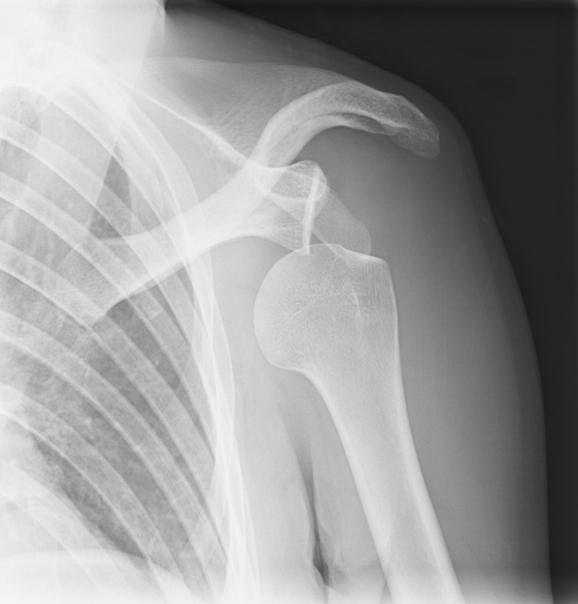
Symptoms
Along with intense pain, there are other symptoms to watch out for if you suspect your shoulder may be dislocated. These include:
- Swelling or bruising
- A visible deformity, or the shoulder looking “out of place”
- Limited or no range of motion
- Weakness, numbness, or tingling in the neck or arm
- Spasms of the shoulder muscles
Causes
Dislocated shoulders often happen to those who are physically active. As one of the most mobile joints in the body, the shoulder joint can become dislocated in several different directions. You can dislocate it to the front, back, or downward (though most dislocations occur to the front). You can also have a partial dislocation or a full dislocation.
Extreme force or an over rotation of the shoulder can cause dislocation to occur. The most common instances of a dislocated shoulder includes, but is not limited to:
- Sports injuries, especially in contact sports
- Traffic accidents
- Falls on an outstretched arm or shoulder
- Electric shocks that cause the muscles to contract so much that they pull the arm out of place
- Seizures that cause severe muscle spasms that pull the arm out of socket
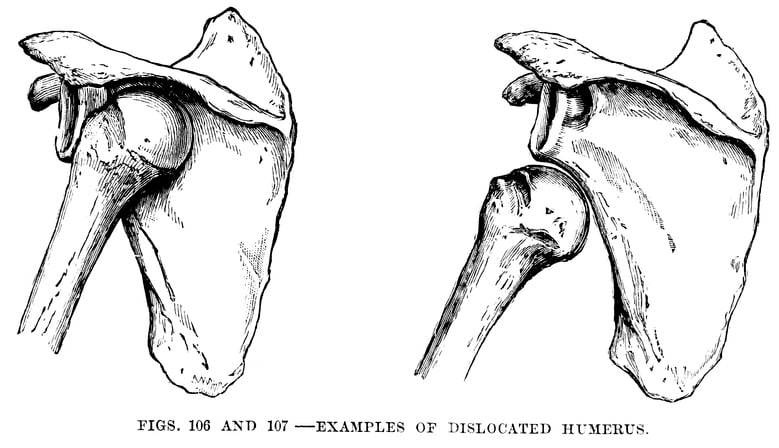
Treatment
If you believe your shoulder or the shoulder of a loved one may be dislocated, do not try to pop it back into place. This should only be done by those with proper training on how to do so. Trying to pop it back without the correct training could result in broken bones, torn muscles/blood vessels, and a lot more unnecessary pain.
Immediately seek medical attention for shoulder dislocation. Once it is back in place, you will most likely need to wear a splint or sling until you regain full mobility without pain. Many people regain full mobility and function within a few weeks. However, those who have had a dislocated shoulder often experience shoulder instability and are more prone to repeat shoulder injuries. If this occurs, you may have to wear a brace for an extended period of time to make sure the shoulder heals correctly.
Most shoulder dislocations are anterior dislocations, meaning they are caused by external, forceful rotation. Treatment most often includes icing the shoulder and resting it. You will experience soreness for a few weeks after the dislocation, especially if there were any ligament tears and soft tissue damage.
If the ligament tears or soft tissue damage was severe, your doctor may recommend surgery to fix any issues that may not heal properly on their own.
Rehabilitation and physical therapy will also depend on the severity of the injury. The most common physical therapy exercises center around strengthening the shoulder to create more stability. This prevents future dislocations. The stronger the shoulder muscles, the less likely you will be to have a future injury.
Come to Beacon
Beacon Orthopaedics & Sports Medicine is your go-to health care provider for all your orthopedic needs. Our physicians specialize in general orthopedic surgery, total joint replacements, arthroscopic surgery, spine medicine and surgery, sports medicine, and more. There are also many regenerative and non-surgical options available to patients.
If you’re interested in scheduling an appointment, don’t hesitate to contact us for more information! We look forward to treating you at one of our locations in the Greater Cincinnati area.
Beacon Orthopaedics & Sports Medicine, TriHealth Collaborate to Provide Care for Ursuline Academy Athletes
August 7, 2020
Cincinnati, OH – Beginning immediately, Beacon Orthopaedics and Sports Medicine, in collaboration with the TriHealth Network will provide comprehensive sports medicine services to athletes at Ursuline Academy of Cincinnati. Continuing its tradition of providing outstanding, comprehensive orthopaedic services for patients, Beacon doctors and athletic trainers will work onsite at Ursuline and on the sidelines during sporting events to provide thorough sports medical care.
Dr. Peter Cha, president of Beacon Orthopaedics, will serve as Ursuline’s medical director and team physician, overseeing the Lions’ sports medicine department. “Beacon has been privileged to be the official sports medicine providers to more than 30 local high school, club, college and professional teams,” said Dr. Cha. “And now, we thrilled to be bringing that same expert care to the Ursuline community.”
Becky White, M.Ed, AT will be returning as athletic trainer for the school, working closely with Dr. Cha and the specialists at Beacon and TriHealth to ensure the absolute best care. White will continue to work full-time at the school, and is available for all students, student athletes, school personnel. The Ursuline community already trusts her knowledge, judgement and care, given the rapport she has cultivated over her time there. “Ursuline is excited about this new partnership with Beacon Orthopaedics and Dr. Cha,” said Colleen Dehring, Ursuline Academy athletic director. “We are confident that the Beacon team will provide our athletes the best medical care, keeping everyone safe and healthy.”
Ursuline has been a long-time participant in the Bioskills Cadaver Lab Program and will continue to do so, under this new partnership. Beacon Orthopaedics and TriHealth will work with the Ursuline administration to provide these and other educational opportunities for the Ursuline students, creating shadowing, guest lectures, and internship opportunities for students interested in pursuing medical careers.
# # #
About Beacon Orthopaedics & Sports Medicine:
Beacon Orthopaedics & Sports Medicine provides medical direction and coverage for over 30 local high schools, five college athletics programs, and professional teams. With eight locations across Southwest Ohio, Northern Kentucky, and Southeastern Indiana, Beacon offers instant access to comprehensive orthopedic care, including sports medicine, physical therapy, athletic training, imaging services, orthobiologics, as well as surgical procedures involving neck, spine, shoulder, elbow, hand, hip, knee, foot and ankle repair, reconstruction, and replacement. Established in 1996, Beacon Orthopaedics has helped thousands of patients overcome injuries and improve their quality of life. Click here to book an appointment.
About TriHealth:
TriHealth is hospitals, physicians and the community working together to help people live better. We provide clinical, educational, preventive and social programs through Bethesda North, Bethesda Butler, TriHealth Evendale, Good Samaritan and McCullough-Hyde hospitals and more than 140 other locations throughout Greater Cincinnati. This includes an ambulatory network, physician practices, research division, employer-based health services, hospice care, and fitness and health facilities. Learn more at trihealth.com, Facebook.com/TriHealth, @TriHealth on Twitter, and at YouTube.com/TriHealth.
High Ankle Sprain versus Low Ankle Sprain
August 6, 2020
An ankle sprain is a stretch or tear to the ligaments holding the ankle bones together. Characterized by pain and swelling, these ankle injuries are common among athletes who play sports that involve running and jumping. These include high-impact sports such as basketball, soccer, football, and dance.
When you sprain your ankle, you almost immediately know that something is wrong due to the pain. In fact, chances are you or someone you know has experienced an injured ankle. However, did you know that there are different types of sprains? Hear from Beacon Orthopaedics & Sports Medicine’s foot and ankle expert, Dr. Adam Miller, on the differences in these injuries as well as how to best recover from them.
What is a low ankle sprain?
In orthopedic foot and ankle care specialists define low ankle sprains as, “A low ankle sprain is your garden-variety sprain that affects the ligaments outside of the ankle. It is the most common type of sprain that involves rolling the ankle. The heel inverts underneath the foot, causing that twisting motion that leads to a tear or stretch in the ligaments.”
What is a high ankle sprain?
“A high ankle sprain occurs when the ligaments between tibia and fibula become torn or stretched. This type of sprain is more of a rotational injury rather than a roll of the ankle. Unlike a low ankle sprain, a high ankle sprain is more significant of an injury. This type often takes about twice as long to heal.”
Is there a difference in how high and low ankle sprains are treated?
Treating A Low Ankle Sprain
“Low ankle sprains are typically treated with an ankle brace first. If the patient continues to be in a lot of pain, they may go into a boot until they are able to move around a little better. As soon as they can walk, they will go into physical therapy and continue to ramp up the movement based on mobility.”
Treating A High Ankle Sprain
“With a high ankle sprain, every patient will go into a walking boot. They’re typically in a boot for multiple weeks, but the duration ultimately depends on the patient’s level of pain. Once they start feeling better, they can transition into an ankle brace that can fit into a shoe.
If the patient can’t transition into a brace because the injury isn’t healing, the focus then transitions to considering surgery. Some high ankle sprains obviously need surgery from the beginning, but those are less common. Most of the time, they fall into the in-between category of waiting to see if they heal without surgery.”
Treating Ankle Injuries With Physical Therapy
“Physical therapy focuses on building the range of motion and strength. We also work on proprioception, which is the ability of the body and the brain to react quickly to movements and actions. That way, the patient is more easily able to avoid future injury by having a quicker reaction time.
 Some people with multiple low ankle sprains develop instability where ligament cannot consistently support the ankle. This can lead to chronic pain, which ultimately results in consistent brace wearing and even surgery.”
The hallmarks of chronic ankle instability include repeated ankle sprains that have led to an altered patient activity level. Important factors include the number of injuries sustained, frequency of events, localization of pain, and prior treatment modalities.
Come to Beacon Orthopaedics & Sports Medicine
If you have a foot or ankle injury, come to Beacon Orthopaedics. We specialize in all things orthopedics, from hip and knee injuries to spine surgery. Contact us today for more information! Click here to schedule an appointment with Dr. Miller for foot and ankle injuries.
Beacon Orthopaedics & Sports Medicine acquires rival practice
August 3, 2020
Cincinnati Business Courier
To read the full article from the Business Courier, please click here.
One of the largest independent physician groups in Greater Cincinnati just got significantly bigger via the acquisition of a rival medical practice, which was made possible by an infusion of capital from a private equity firm.
Sharonville-based Beacon Orthopaedics & Sports Medicine, which already included 27 physicians, added seven doctors by acquiring Montgomery-based Reconstructive Orthopaedics & Sports Medicine Inc.
Andy Blankemeyer, CEO of Beacon, said the nearly 100 people who had been employed by Reconstructive Orthopaedics are now Beacon employees. They joined the more than 550 employees that Beacon already had.
With a total of 34 doctors, Beacon is now the largest independent orthopedic practice in Greater Cincinnati.
Financial terms of the deal that closed Friday night weren’t disclosed, but Blankemeyer told me five of the Recon doctors are now shareholding partners in Beacon. Another Recon physician is on a partnership track, and the seventh Recon doc is an employed physician.
The deal was made possible by the formation of a management services organization called OrthoAlliance, which Beacon created last July with an infusion of capital from a private equity firm, Blankemeyer said. Revelstoke Capital Partners of Denver is a partner in the OrthoAlliance MSO, but the Beacon practice remains 100% owned by the group’s physician partners.
Beacon hasn’t expanded in such a big way via merger in the last two decades, said Dr. Peter Cha, president of the medical practice.
“We’ve had multiple individuals come over from hospital systems and other groups over the years, but this is the first merger of its kind for Beacon,” Cha told me.
“We were happy to get everything accomplished to align like-minded surgeons who are very similar to the surgeons at Beacon,” Cha added. “In fact, many of us have trained with their surgeons, and we have known them for decades. They are fully aligned with our culture and our care delivery model.”
Dr. Peter Cha is president of Beacon Orthopaedics & Sports Medicine.
Recon’s doctors had previously been affiliated with OrthoCincy, which was created in 2017 by the merger of Northern Kentucky-based Commonwealth Orthopaedic Centers with Reconstructive Orthopaedics & Sports Medicine.
The merger agreement that resulted in the formation of OrthoCincy included a withdrawal option, said Dr. Tim McConnell, president of the Reconstructive Orthopaedics division.
Dr. Tim McConnell, a surgeon who is a partner with Beacon Orthopaedics & Sports Medicine, had been president of Reconstructive Orthopaedics & Sports Medicine Inc.
“It’s been a very easy transition,” McConnell told me. “Beacon has bent over backward to accommodate any special requests or needs that we’ve had and to accommodate our schedules.”
The other Recon physicians who joined Beacon are:
- Dr. Matthew Langenderfer
- Dr. Joshua Murphy
- Dr. V. James Sammarco
- Dr. Kevin Shaw
- Dr. David Lustenberger (an employed physician on partnership track)
- Dr. Todd Grime (an employed primary sports medicine physician)
The Recon medical offices in Montgomery, Fairfield and South Lebanon have been rebranded as Beacon Orthopaedics & Sports Medicine. Recon offers physical therapy at two of its offices as well as at a separate location in South Lebanon. However, no real estate was involved in the transaction.
The Reconstructive Orthopaedics practice has plugged into Beacon’s IT and management structure via the OrthoAlliance, which includes changing the electronic medical record, human resources and employee benefits.
Beacon previously had nine locations, including in Northern Kentucky and Southeast Indiana. Now, the practice has grown to 13 sites.
“We saw the benefit of merging our operations in Ohio, and it allows Beacon to continue to provide low-cost, high-quality care in more regions,” Blankemeyer said. “That includes areas we weren’t in before, such as Fairfield and South Lebanon and Montgomery. It helps expand our footprint, and it allows us to treat and provide physical therapy services to patients who otherwise would have a long drive to see us.
“The reputation of these docs is stellar,” Blankemeyer added. “We want to work with high-quality physicians, and these guys fit the Beacon mold. We’ve been in the same market with them for years. As we started discussing the strategic benefits of us coming together, it was clear it would be a good fit.”
The physicians who had been part of Recon are now able to operate at the two Beacon surgery centers. One is in Green Township, while the other is at Beacon’s headquarters in Sharonville.
Blankemeyer noted that the ambulatory surgery centers make operations less expensive than at hospital settings, which could benefit local employers with health care plans as well as individuals.
However, the former Recon physicians will continue to provide the option of surgery at local hospitals – as does Beacon. Sometimes that decision is payer-related because some employee benefit plans require a hospital setting, or it could be a matter of patient preference or because a patient has co-morbidities.
Recon’s surgeons operate primarily at Mercy Health-Cincinnati’s Jewish Hospital in Kenwood and TriHealth Evendale Hospital, with some surgeries at TriHealth’s Bethesda North Hospital in Montgomery, McConnell said.
The OrthoAlliance management service organization model provides Recon partners with the flexibility to tailor patient care how they feel is most appropriate while still having the ability to maintain relationships with hospital systems, McConnell told me.
“We value our relationships with local hospitals,” McConnell said. “This is the opportunity for us to develop direct-to-consumer health care that aligns with the health systems but at the same time provides us the flexibility and opportunity to change as we feel is appropriate for patient care.”
The Recon acquisition was the first group practice acquired via the OrthoAlliance. However, Dr. Mike Swank, who specializes in hip and knee surgery and had been part of OrthoCincy, joined Beacon in November as the first acquisition via the new management service organization. Swank is a past recipient of the Business Courier’s Health Care Heroes award in the category of innovation.
Despite the Covid-19 pandemic, more individual physicians and group practices are expected to join Beacon soon as part of the OrthoAlliance expansion plan, Blankemeyer said.
Some Recon employees had been furloughed amid the pandemic because of a state-mandated shutdown of elective surgery from mid-March to May 1, but nearly everyone has been brought back, McConnell said.
“One or two people found employment elsewhere, but there was a nearly 100% return,” McConnell said. “That we had that many employees that were willing to come back to us speaks toward the environment in which they are working and are happy to come back to what we call our family.
“We are up, running and firing on all cylinders,” McConnell added, noting that Recon surgeons have been especially busy in recent weeks.
I reported in March Beacon had temporarily furloughed 219 workers because of the downturn in business related to the novel coronavirus, but Blankemeyer said the practice has rehired nearly all those employees.
In addition, Beacon has cleared a backlog of surgeries, and patient volume has rebounded with new patients, Blankemeyer said.
“We continue to see growth in many areas, and our doctors are excited that they are back to work,” Blankemeyer. “We are continuing all of our safety measures and protocols as we keep moving forward.”
The Beacon CEO and the 20 doctors who owned the practice had reduced their pay to zero to help staff get through the financial hardship, but the compensation model has ramped back up along with business operations, Blankemeyer said. None of the seven doctors who weren’t partners in the group was furloughed, and Beacon had remained open despite the ban on elective surgery.
Established in 1996, Beacon provides orthopedic care and sports medicine coverage for more than 30 local high schools, five college athletics programs and professional teams such as the Cincinnati Reds.
Now, the focus is on additional growth. Beacon is in active negotiations with other groups at this time via the OrthoAlliance, including locally, regionally and nationally, Blankemeyer said.
Training the Athletic Trainers and Staying Healthy
July 29, 2020
The bar of excellence has moved. We’re following an all new set of standards for athletic trainers in today’s environment. With the ever-present risk of COVID-19 hovering around us, keeping student athletes healthy has a whole new set of challenges, and Beacon’s team of high school athletic trainers is rising to meet them.
After all, how does one inspect a potentially sprained ankle while maintaining proper social distancing? Until our shipment of go-go gadget arms comes in, we’re left with more pedestrian means like masks, gloves and thermometers, which are all part of our enhanced safety protocols. Measures that specifically follow the Centers for Disease Control and Prevention (CDC) general COVID-19 guidelines and the CDC’s recommended precautions for youth sports.
Guidelines for Beacon Athletic Trainers
- Wear a mask at all times.
- Maintain a distance of six-feet apart whenever possible.
- Track temperature of all athletes, athletic trainers and staff.
- Frequently sanitize all surfaces.
- Use warm water and soap when washing hands, and hand sanitizer will be provided where that is not available. Examples of when you should wash your hands:
- Before and after touching your face
- After using the restroom
- After blowing your nose, coughing or sneezing
- After touching your face mask
- Symptom monitoring: fever, coughing, shortness of breath and other symptoms can all be symptoms of COVID-19.
- Athletic Trainers will wear gloves and change them after each use.
- Limit the number of people within a room — all non-essential individuals will be asked to leave.
- Student-Athletes and coaches will be asked to wear a face mask, while inside our training room facilities.
- Don’t share towels, clothing, water bottles, and minimize sharing of equipment.
Worst-Case Scenario
Even with taking all of the recommended precautions, it’s also key to be prepared in the event that someone who’s been in contact with a Beacon athletic trainer or student-athlete tests positive for COVID-19. We have prepared a detailed plan that involves swift and thorough action for this very potentiality, which strictly follows the CDC’s recommendations.
We continue to learn new things about COVID-19 every day. As we do, we’ll update our guidelines to ensure we keep everyone as safe as possible.
Beacon is Everywhere
To help support the health and well-being of our local high school athletes, Beacon provides many of the top schools with athletic trainers. Learn more about our athletic trainers or check out our full list of partner schools and teams.
Book Your Sports Physical
Is your student athlete in need of a sports physical? Look no further. We’re offering discounted physicals for $20. You can schedule your child’s exam individually with our primary care sports medicine physicians today.
Play Ball — Back to Some Regularly Scheduled Programming
July 22, 2020
The year was 1919. World War I had just ended. The Spanish Flu was a continuing threat. People were searching for a calm within the storm — something to give them a sense of normalcy. In Cincinnati, that meant circling April 23 on the calendar to mark Opening Day for the Reds. This was the distraction everyone wanted. The one they needed.
Now, about a century later, we’re similarly in the midst of chaos and another pandemic. We’re all longing for a sign of that same calm, and in Cincinnati, we’re once again circling the date for Opening Day, July 24.
At Home with the Reds
Of course, watching the day’s events won’t be quite the same. We’ll gather together with our families at home to celebrate the big game. Some of us will grill out, while others might opt for delivery, but we’ll all be in solidarity gathering around our televisions to cheer on our hometown team as they face off against the Detroit Tigers.
As sports fans, we pine for the promise of human joy and connection that sporting events provide in spades. So we’ll look forward to this one night where we can put our differences and worries aside — to sit back and enjoy one of our country’s great equalizers: baseball.
Beacon at the Plate
And just like in the years before, Beacon’s Dr. Timothy Kremcheck will be at the ready as the Cincinnati Reds’ Team Medical Director by keeping the players at peak performance levels. Dr. Kremchek and our team of sports medicine specialists support them, so they can bring us a much-needed break from feeling the gravity of the COVID-19 pandemic. At Beacon, we’ll join you in cheering the Reds on as they play this year’s 60-game season — and even earlier than that, when they play the Tigers in exhibition games on July 21 and 22.
Overcoming Adversity with a Distinctly Cincinnati Flourish
We’re nostalgic for America’s favorite pastime, and the abundance of hope we’re finding in embracing it. They say adversity doesn’t build character; it reveals it. And here in Cincinnati, it has revealed a fierce sense of community, a heart for helping and a deepening pride. We respect our city’s leadership through the tough decisions they’ve needed to make to keep us as safe and healthy as possible. We hope you’ll join us by sharing on our Facebook page how you plan to celebrate Opening Day.
Way back in 1919, the Cincinnati Reds met the moment of anticipation with a rousing come-from-behind win over the hated St. Louis Cardinals. They would go on to win their next six games, and then claim the club’s first World Series Championship. That year, we emerged from adversity with a distinctly Cincinnati flourish. With a resolve that sustained our community. With a hope and assurance that things would be better than ever.
A century later, we have no doubt we can do that once again. Together.

Time for Back-to-School Exams
July 17, 2020
Not the Kind You Study for — Student Athletes Need Their Sports Physical Exams
As stores switch their seasonal displays from summer fun to back-to-school supplies, many of us are left wondering in a haze of confusion what going back to school will actually be for students, especially athletes, this fall.
Whether kids’ schooling takes place in a classroom setting or a virtual one, it’s important not to overlook their health. And yes, while COVID-19 is top of mind for all of us, we also need to stay on top of preventative health.
In short: sports physical exams are more important than ever.
Checkups are an important part of student athletes’ well-being, and regardless of where they’re learning and training come September — school or home — that care should include a sports physical exam. They’re critical in helping to identify pre-existing conditions, manage old injuries, and prevent new ones. Furthermore, they provide opportunities to track developmental progress, establish baselines of health, ensure immunizations are up-to-date, and document milestones.
Why Beacon for Sports Physicals?
In this time of COVID-19, the idea of exposing healthy kids to a doctor’s office is nerve-racking. That’s where Beacon comes in. While we do operate in medical settings, we don’t see sick patients, which means our patients have a lower exposure risk to illnesses like coronavirus. We’re also maintaining strict COVID-19 safety protocols to help keep our patients and staff as safe as possible.
Even though we aren’t doing large group physicals like in past years because of social distancing restrictions, student athletes can get an individual exam from one of our primary care sports medicine doctors. Beacon physicians are board-certified and fellowship-trained in their specialties. They’re also medical directors for the Cincinnati Reds and their minor league affiliates, Xavier University, and more than 30 high school, club and college teams.
What to Expect
We treat every athlete with the same attentiveness and care. Last year that included more than 1,500 high school athletes throughout the Tri-State region, which means 1,500 kids were examined to ensure they were healthy enough to play sports. Exams look at potential underlying risk factors that could create issues. Our focus is to keep them as healthy as possible and to prevent tragedies like Sudden Cardiac Arrest (SCA) where, as the name implies, the heart stops beating suddenly and unexpectedly. For young athletes, SCA is a leading cause of death — accounting for 75% of all athlete-related deaths.
Of course, SCA is at the extreme end of the spectrum. Our goal is to look for any health concerns that could interfere with student athletes’ participation in a sport — from vision to heart rate and everything in between. While exams may vary based on age, gender and known conditions, physical exams generally include:
- Recording height and weight
- Taking blood pressure and heart rate/rhythm
- Testing vision
- Checking lungs, abdomen, ears, nose and throat
- Evaluating posture, joints, strength and flexibility
Our physicians are here to keep your student athletes healthy and active. That includes sensitivity to the financial strain many of us our under because of COVID-19’s impact on the economy, which is why our sports physicals are now just $20. To schedule an appointment, simply call 513-577-5014 or email [email protected].
Tips for Wearing a Mask
July 9, 2020
In light of Governor DeWine’s July 7 mask ordinance, we wanted to provide some tips for wearing and caring for your face mask.
Tips for Wearing a Mask
We understand that wearing a mask can be uncomfortable for some, especially when worn for long periods of time. To make mask wearing a little easier, follow the tips below!
- Ease into it. Before going out in public and wearing a mask for long periods of time, try it out at home. While masks are not necessary within your home and in the presence of people you live with, test the comfort of your mask at home. Remember, your mask should fit snugly on the sides of your face.
- Consider your options. If the mask you currently have isn’t comfortable or is restricting your breathing, try another style. For example, if the loops around your ears are uncomfortable, try one that ties at the back of your head.
- If a mask must be removed, be careful where you place it. If you are around other people and must remove your mask, do not place it on an unsanitary surface. Health professionals recommend that you place your face covering on a clean paper towel or tissue with the exterior faced down. You can also store your mask in a paper bag to prevent cross contamination.
- Do not let your masks touch. Unless your masks or face coverings have been freshly washed, you should not allow one mask to touch another. This includes, but is not limited to, hanging masks from the rearview mirror of a vehicle, storing multiple masks in your bag, and placing used masks on a surface without cleaning it.
Requirements for a Safe Mask
A mask should meet the following requirements:
- Fit snugly (but not tightly) against the side of the face
- Include multiple layers of fabric
- Allow for unrestricted breathing
- Be secured with ear loops or ties
- Be able to be machine cleaned and dried without damage if reusable
Beacon will be following the guidance set forth by health professionals. When you come to see us in person for an appointment, we will be happy to provide a disposable mask if you do not have your own.
To learn more about Governor DeWine’s mask ordinance, click here.
Featured Physician: Robert Burger, M.D.
July 1, 2020
Robert Burger, M.D., is a founding member of Beacon Orthopaedics, served as President of Beacon for six years, and was a member of the Executive Committee for Beacon’s first 20 years. He also has been the Medical Director and Head Team Physician for Xavier University athletics since 1999. Enjoy learning more about Dr. Burger!
What is your specialty?
My specialty is Sports Medicine, Knee & Shoulder Surgery, and Total Knee Replacements
What attracted you to your specialty?
I was attracted to orthopaedic surgery and sports medicine because of my personal involvement in sports, playing college football at the University of Notre Dame. While I was fortunate to stay relatively healthy, I had many teammates sustain serious injuries that required surgery, and in some instances ended their playing careers. I also had an uncle, Dr. Eusebio Gaw, who was a Hand Surgeon/General Surgeon, and he encouraged me to strongly consider medicine as a career, while I was an undergraduate student pursuing a degree in Chemical Engineering. Working in Sports Medicine/Orthopaedic Surgery provides me with the opportunity to positively impact a patient’s life by restoring, enhancing, and perserving one’s physical function, mobility, and independence. I am privileged to work with patients and families in the Greater Cincinnati area that my family and I consider to be our home.
What is your favorite part about being an Orthopaedic Surgeon?
One of the most fulfilling aspects of working as a founding orthopaedic surgeon is Beacon is to witness firsthand the growth and success of Beacon Orthopaedics over the past twenty plus years. Beacon has grown geographically and specialty-wise so that we can now provide the highest level of expertise, professionalism, and care to patients throughout the entire region that we serve. I am also proud to have witnessed personally the growth and success of many orthopaedic surgeons in our group. Dr. David Argo and I first met when he was a bright young chemical engineer working for Procter & Gamble, and he was considering a career change to medicine. He and I shared many common bonds, and I am proud to say that a generation later, Dr. Argo is a most talented and successful physician and surgeon in our group. I have been blessed to know Dr. Robert Rolf since he was a young teenager, and I have proudly witnessed his personal and professional growth, and I am proud that he is a most trusted partner and an exceptionally gifted Shoulder Surgeon who thrives at Beacon. Likewise, I had first met Dr. Steve Hamilton while treating him when he was a fifth grader, and now Steve is excelling as a most innovative and talented surgeon in our group. As I reflect upon the success and growth of Beacon, I am proud to have served in some small way as a mentor for these most gifted physicians, and it is most gratifying to me to consider them not only as professional partners but also as trusted surgeons and friends.
Do you have any advice for young people that want to be doctors when they grow up?
My advice to any young person considering medicine is to first trust the gifts that the Good Lord has given each of us, and to also trust the Good Lord’s plan for each of our lives. There are many potential careers in the medical field, and all of them are fulfilling and provide ample opportunities to help others during a time of need and vulnerability. Don’t ever underestimate the positive impact that health care providers can make in people’s lives. Working as a physician is a special calling, and it demands a certain aptitude and intellectual ability, a lifelong commitment to learning, a strong work ethic, an openness to grow as a person, and a desire to serve others in a positive way. I consider it a privilege to work in this community as an Orthopaedics Surgeon and Sports Medicine Physician, and the field of medicine has been most fulfilling yet humbling, demanding yet rewarding, and challenging yet gratifying way for me to give back to others in a time of need.
What is an interesting fact about you that not everyone knows?
 Growing up in a family that loved sports, I was an avid fan of Notre Dame football and Cincinnati Reds baseball. I was most blessed to attend Notre Dame on an academic scholarship, where I walked on and made the Notre Dame football team as a freshman, snapping to Joe Montana that year in practice on a team that won the 1977 National Championship. I am proud to have earned a football scholarship at Notre Dame, started at offensive guard on a team that went to the Sugar Bowl in 1980, and be named an Academic All-American and later on an Academic All-American Hall of Fame member.
My wife Felicia and I are blessed with four sons, who all walked on to their college teams and all four earned athletic scholarships a generation later. (Bobby-football: University of Notre Dame- fullback/tight end; Chris- golf: Xavier University; John- golf: Xavier University; Joe- football: Ohio State University-linebacker). I was proud and privileged to work as team physician for the Cincinnati Reds, and I am also blessed to serve as head team physician for Xavier University, my father’s Alma Mater and the school that two of my four sons attended and graduated from. Having played college football myself and lived through the successes and challenges of athletics in our sons’ lives, this helps me appreciate the positive value of sports and also better appreciate the adversity that an athlete and his/her family experiences when an injury potentially threatens one’s athletic career and the dreams of a young person.
Felicia, my wife, grew up in eastern Cincinnati, graduated from Anderson High School, then earned her BS in Nursing from the University of Tennessee, before earning her Master’s Degree as a Nurse Practitioner from IUPUI in 1988. She sacrificed her professional career to raise her four sons: Bobby (32), Chris (30), John (27), and Joe (26) – who is now beginning his second year of Medical School at Ohio State University.
If you were a pair of shoes, what kind would you be?
If I were a pair of shoes, I would be a durable pair of football cleats, a pair that has made it through more than one season, through the heat and the cold, the rock-hard ground and the mud, yet still keeps its traction and pushes forward each day, taking on whatever tasks and challenges comes its way.
5 Tips for Getting Back in Shape at Home
June 29, 2020

Getting back in shape at home can be difficult. Although gyms and fitness centers are beginning to open back up, many don’t feel comfortable working out in crowded places right now. Therefore, many are trying to get in shape with household items and at-home workout regiments. If you’re looking for some tips on how to keep in shape while at home, check out our tips below!
Schedule your workouts.
The best way to avoid getting in a workout rut is to stick to a schedule. Make sure to stick to times and dates that work for you, and make sure to give yourself rest days.
Decide on a regiment.
You can create an entire fitness program at home with simple exercises that make a big difference. If you’re a beginner or haven’t worked out in a while, try to aim for 30 minutes of cardiovascular exercise and 30 minutes of strength work three times per week. You can space these out however you like to fit your schedule! Make sure that you’re targeting all major muscle groups: upper body, lower body, abs, and back.
Don’t do anything dangerous!
Make sure you know your limits. If you’re used to lifting 25 pounds, for instance, don’t try to jump up to 50. This is especially true if you’re working out by yourself.
Find an exercise partner.
If you still feel unmotivated, try to find someone who will work out with you. Go on runs together, video call during your workouts, and even challenge each other to do your best. Working out with a partner can greatly increase your motivation.
Track your progress.
If you have a specific goal in mind, track your progress! There are a lot of great fitness apps out on the market or jot things down in a fitness journal. No matter your goal, seeing your daily progress can help motivate you to work harder and reach it faster.
Meet the Working Dads of Beacon Orthopaedics
June 21, 2020
Happy Father’s Day from Beacon Orthopaedics! While we’re still outside the norm of what we are used to, we want to take a moment to thank the hard-working dads here at Beacon for their dedication to their job and their families.
Meet Craig Lindsey, Athletic Trainer Manager & Athletic Trainer at Archbishop Moeller High School
Craig has been working as an athletic trainer for over 20 years. He has two children: Austin (23) and Ashlee (20).
What is your favorite part of being a dad?
The part that I’ve loved most about being a dad to my two amazing kids is that it has allowed me to be a kid again myself. Between playing all of the typical backyard games of whiffle-ball, kickball, football, basketball or just simply playing toss, being a father has given me the opportunity to relive some of my own childhood memories.
I also appreciate and truly value the various opportunities to teach a few life lessons along the way; of course, I pray that maybe a few of the lessons will remain with them until they become parents’ themselves.
What is your favorite activity to do with your children?
Along with the typical backyard games, I’ve always loved listening to different types of music with them. We tend to play, “name that band/musician/singer” quite a bit.
Some of my favorite memories were from watching my kids play various sports; from a youth level, AAU basketball, football, travel baseball/softball, and especially their four years of High School.
Is there anything else you want to include about yourself or your kids?
Austin played four years of basketball and baseball at Conner High School and was named Captain of the baseball team his Senior Year. He graduated from Eastern Kentucky University in 2019 earning his bachelor’s degree in Athletic Training.
Ashlee started on the Varsity Fastpitch Softball team for five consecutive years (8th-12th) and was named the 33rd District Tournament MVP her Senior Year. Ashlee just completed her freshman year at Eastern Kentucky University, majoring in Occupational Therapy.
I am truly blessed to have two amazingly talented kids; both in their own individual way.
Meet Kenny Price, Charge Nurse for PACU
Kenny has two children: Landon (6) and Lyla (5).
What is your favorite part of being a dad?
I love the fact that I have the opportunity to directly affect the outcome of my children’s life in a positive way. I want to instill a positive, happy, respectful and hardworking attitude so that they never expect something for nothing. God and family come first, always! I lost my mom a few years ago and I want to know without a doubt that when I am gone, my children will know how much I love them and have many memories to remind them.
What is your favorite activity to do with your children?
Laughing, spending time outside, and simply just being together.
Is there anything else you want to include about yourself or your kids?
Work is important but it’s not everything. Family is more important than many people realize. I love that Beacon allows me the time to be with my family more. Landon and Lyla are so close that many people think they are twins, but they are actually 1 year and 2 weeks apart. They were both born in February, both born on Sunday and both born at 36 weeks 6 days.
Landon is into everything sports related and has some serious talent when it comes to baseball. He is sweet but goofy, follows the rules, loves to dance, and shows love to nearly everyone. He reminds me so much of myself as a little boy (minus the talent)!
Lyla is beautiful, very smart, loves to learn, loves to sing and dance, and has a happy, contagious personality. She likes to push boundaries and is very independent. She loves her family and shows it every chance she gets.
Being a dad to Landon and Lyla is truly like a dream come true. For the most part it’s so easy! I couldn’t ask for better kids and I hope they always know how much Daddy loves them.
Meet Adam Testerman, Director of Physical Therapy
Adam has three children: Camden (3), Colton (2), and Cohen (4 months).
What is your favorite part of being a dad?
Watching them enjoy new experiences and learn new things as they grow. It’s rewarding to see what they can accomplish and the joy they get from doing things successfully. When they’re proud of themselves for what they have done, those are the most rewarding moments.
What is your favorite activity to do with your children?
My kids love to wrestle, play outside, read and go to the Zoo and Kings Island. Anytime we can share in an activity together.
Injury and Surgery Recovery at Beacon Orthopaedics
June 16, 2020
 It’s no secret that recovering from an injury, either surgically or non-surgically, can be a difficult process. Between the hours you spend resting and the physical therapy you may have to do, the surgery process may seem intimidating. However, recovering from an injury or surgery isn’t always as scary as it may seem. Especially when you have quality care!
At Beacon Orthopaedics & Sports Medicine, we’re dedicated to making sure you can recover from your injury or surgery as safely and efficiently as possible. Keep reading to hear from two of Beacon’s healthcare professionals, Jason Modafari PT, DPT, AT and hip and knee replacement specialist Dr. Michael Swank, on how we handle your recovery.
The “Normal” Surgery Recovery Process
While recovering from surgery depends on the type of surgery as well as the person, there are a few typical steps that almost everyone experiences. “Prior to COVID-19, a patient would come in the next day for an initial evaluation, clean up the incision site, and get it re-dressed,” says physical therapist Jason Modafari. “From there, the patients were scheduled for their follow up visits, which would normally be twice per week.”
Dr. Swank, who specializes in hip and knee replacements, says that his patients would typically remain in the hospital for at least one night for monitoring. “Patients waking up from general anesthesia typically experience nausea when waking up, so having them stay overnight allows this phase to pass in an environment where they don’t have to worry about anything. From there, they would typically transfer to a transitional or skilled nursing facility for further recovery.”
The “Normal” Injury Recovery Process (Non-Surgical)
Non-surgical recovery depends entirely on the patient, their injury, and their environment. “Some patients only needed a single visit for a home exercise program, and from there they would complete the program on their own at home,” Modafari says. “Other patients would come anywhere from one to three times per week, depending on the diagnosis.” Before COVID-19, it was typical to see every table at the clinic filled.
Adapting to the New Normal
Since the pandemic, all Beacon employees are required to wear masks and gloves when interacting with patients. It is recommended for the patient to wear a mask as well.
Physical therapy patients are spaced out for proper social distancing, and a maximum of four employees work in each section of the PT gym at a time in order to adequately comply with social distancing measures.
Another great addition has been the use of telehealth video visits. This is a visit over video for patients who would prefer not to come into the clinic in for follow-up care. This allows us to maximize the number of patients we are able to see.
Exploring At-Home Recovery for Injuries & Surgeries
With these new precautions, healthcare professionals at Beacon have had to explore and implement at-home recovery options for patients who have the ability to do so. “For at-home rehab, we give each patient a home exercise program customized to them depending on their diagnosis and a formal evaluation. They are given the option to access the program from an app on their phone, which is a cool feature that gives the option of video for each exercise, as well as the convenience to have access to the program at all times,” says Modafari. Occasional follow-ups are also recommended.
On the surgical side, Dr. Swank has had to modify the surgery and recovery processes. “We’ve had to modify techniques to ensure our patients stay as safe as possible. We’ve moved a lot of our surgeries to a surgery center rather than perform them at a hospital that has COVID patients. Even by doing this, the risk to our patients (and ourselves) of contracting the illness is lowered dramatically,” he says.
Recovering from surgery at home has been very beneficial, especially for Dr. Swank’s patients. “One of the biggest reasons complications arise with hip and knee surgeries is the lack of movement. At a hospital, patients typically spend most of the day sitting. At home, they have to continue to live their normal lives: getting up to get a glass of water, moving from room to room. All of this is incredibly beneficial and leads to a faster recovery.”
Oftentimes, patients recovering from a surgery (especially a large one) are afraid to move afterwards due to pain. However, by going home and forcing themselves to move, their recovery process is much swifter with fewer complications. “People’s fear of COVID-19 is greater than their fear of moving. They realize they they’re just sore, not sick. Even without a pandemic, home is the safest place to be when recovering from surgery.”
Safe Recovery at Beacon
At Beacon, we are taking every precaution available in order to maintain proper social distancing and optimize the comfort and confidence patients. We have been very diligent in keeping every piece of equipment cleaned and sanitized, as well as maintaining proper distancing between patients throughout the entirety of their visit. While it has been occasionally difficult to navigate these times, Beacon has come out stronger on the other side.
If you have any questions about our COVID-19 policies, don’t hesitate to contact us. We look forward to continuing to serve our community!
If you’ve been putting off a hip or knee replacement, schedule an appointment with Dr. Swank today!
When Should You Go to The ER vs. Orthopedic Urgent Care?
June 3, 2020
As the weather warms and people begin to work outside more, the number of injuries related to outdoor work has increased. When you get hurt outside, do you know where you should go?
When an injury needs immediate treatment, your first thought may be to go to the emergency room. However, going to the ER may not be the quickest way to get your injury treated. If you have an injury that would generally be treated by an orthopedic specialist (fractures, joint pain, etc.), it would save you time and money to go to a specialized urgent care center.
However, there are injuries and conditions that should not be treated by an orthopedic specialist. These include cuts/profuse bleeding, shortness of breath, fainting, and more. Check out the handy chart below to see where you should go if you experience an outdoor injury!
Emergency Room |
Orthopedic Urgent Care |
| Cuts, especially deep ones | Sprains and strains |
| Chest pain | Broken bones |
| Shortness of breath | Shoulder pain |
| Fainting or dizziness | Back pain |
| Wheezing or difficulty breathing | Wrist pain |
Emergency rooms serve a wide variety of illnesses and injuries. Now more than ever, you could spend an unknown number of hours waiting for a referral to an orthopedic doctor. How long can you wait in pain?
Beacon Orthopaedic Urgent Care can guarantee that your wait time will be less than an emergency room wait. When you walk through our doors, you will immediately* be seen by an orthopedic specialist to address your injury. Whether it be a sprain, fracture, or dislocation, we can treat you quickly and efficiently.
Our Urgent Care locations at Summit Woods and Erlanger are now open, no appointment necessary. Stop in and see us if you have an injury!
Learn more about our orthopedic urgent care services, or contact us today!
Foot Doctor Q&A with Dr. Adam Miller
May 26, 2020
Meet Dr. Adam Miller
Dr. Miller is Beacon’s orthopedic foot and ankle specialist. Having completed a year-long foot and ankle fellowship, he has experience in all foot and ankle conditions including bunions, fractures, foot pain, ankle pain, sports injuries, ligament sprains, tendon pathology, arthritis, deformities, nerve injuries, and related medical problems.
What is the difference between a podiatrist and an orthopedic foot and ankle doctor?
“After undergrad, a podiatrist goes to podiatry school. This happens right after college with no other training. An orthopedic foot and ankle doctor goes to medical school for four years, then completes a five-year orthopedic residency. 90% of orthopedic doctors specialize after that, so they receive specialized training for an additional year.
Additionally, podiatrists generally work with foot maintenance. Orthopedic doctors don’t deal with nail care, do monthly check-ups, or things like that. We tend to treat larger, more advanced conditions and injuries. There is some overlap, but orthopedic surgeons tend to treat trauma and more complex conditions.”
What are the most common injuries or conditions that you treat?
“We see a fair amount of injuries from both the sports and non-sports sides of things. I am capable of treating anything below the knee, from a tibia fracture all the way to the toe. On a daily basis, I tend to see fractures, ligament injuries, rolled ankles, bunions, and more. Other common conditions I treat include arthritis and chronic pain.”
When should someone see a doctor for foot or ankle pain?
“When you should see a doctor for foot or ankle pain all depends on the circumstances. If they have an injury and can’t walk, we suggest they go to urgent care as soon as possible or schedule a same-day call ahead appointment with Beacon. If they can walk and the pain isn’t debilitating, wait and see if the injury subsides and see someone if it doesn’t get better. If it’s not an injury, going to see a doctor all depends on your level of pain and how long you’ve had it.”
What advice do you have for speedy foot/ankle injury recovery?
“Unfortunately, with foot and ankle surgeries, there’s no such thing as a “quick” recovery. Ankle surgery is far more debilitating than something like arm surgery. With most other surgeries, you’re working with a non-weight bearing part of the body. However, when you’re working with the ankle or foot, the patient isn’t able to put weight on it during recovery.
I always say to follow the guidelines of your physician for the quickest recovery possible. There isn’t really a “hack” for a safe, speedy recovery.”
Is there a particular case that stands out to you from your career so far?
“There isn’t one particular case that comes to mind. I tend to end up with the really severe fractures because that’s my specialty, so out of all the cases I’ve worked on those are the most memorable. Those fractures pose a unique challenge, and I enjoy taking on that challenge.”
Why do you like specializing in foot/ankle surgeries?
“I started out as an engineer in college, and the foot/ankle is a very mechanical part of the body. This sub-specialty relies on mechanics and lend themselves to a very analytical type of approach.”
What type of injuries/conditions do you treat at Beacon?
“There’s a huge breadth of cases in the foot and ankle sub-specialty. At Beacon, we’re capable of a very wide variety of foot and ankle treatments. These include:
Arthroscopy
Ligament and Tendon Repair
Ligament Grafts
Tendon reconstruction
Scoping
Flat Foot Reconstruction
Bunion Reconstruction
Fracture Repair
Neuroma Resection
There’s only a small handful of people who do the scope of work that we do at Beacon when it comes to foot and ankle work. I can count the number of fellowship-trained foot and ankle doctors in the Cincinnati area on two hands. Everyone has their own nuances in the way they do things, so each doctor is unique.”
If you want to learn more about foot doctors, Beacon Orthopaedics, or any other services we offer, contact us or schedule an appointment with Dr Miller today.
If you are a prior patient of Dr. Miller’s you can leave a review for him on Google here.
Meet Beacon’s Healthcare Hero Moms
May 10, 2020
This Mother’s Day is certainly outside the norm of what we are used to, which means we certainly need to thank all Beacon moms. Today, we spotlight a few of Beacon’s healthcare heroes who are doubling as superhero moms.
Meet Becky Mitchell, Vice President of Human Resources
Becky has worked at Beacon for 10 years. She and her husband have three girls ages 4-11.
What do you like about being a working mom?
I believe it makes me a better parent. It makes me feel empowered, and I’m very passionate about the work that I do. It’s important to me for my kids to see that I can parent and work at the same time. I’m so appreciative of the time that I get with my kids.
What did a normal day look like for you before COVID-19?
There has never been a dull moment in my job! Every day was – and still is – different. I would go into work in the morning and come home in the evenings to spend time with my kids, and usually settle down to get a few things done in the evenings.
Has your day-to-day changed since the COVID-19 outbreak? How has it impacted you, your job, and your family?
For me, it’s still somewhat normal. My stress level is definitely a little higher, although I think that’s the same for everyone. I’m still going into work in the morning, and we’re fortunate enough to have my mom watch the kids during the day. My husband is working from home. My kids are adapting pretty well, although the younger ones don’t entirely understand. They’ve all adapted to the new normal pretty well; I’m really proud of them.
Is there anything else you want to include about being a working mom?
I think it’s important to remember that whether you’re a stay at home or working parent, this isn’t easy for anybody. This is an adjustment to the norm, even for people who were formerly homeschooling. No one has the outlets that we had before, it’s not easy of a single person. I’m appreciative of everyone!

Meet Kimberly Castleman, Physical Therapist
Kim has worked at Beacon for 10 years. She and her husband have a daughter, Mckenzie, who they welcomed on November 10th, 2019.
What do you like about being a working mom?
Being a working mother has given me the best of both worlds. I get to be the mother of our wonderful daughter, while using my degree and exercising my brain at the same time. Overall, both have been rewarding thus far and it has been a good balance. Coincidentally, our daughter will turn 6 months old this Mother’s Day!
What did a normal day look like for you before COVID-19?
A normal day was a little less hectic prior to COVID, I will admit! We had a steady flow of patients in the clinic and taking our daughter to daycare became a usual routine. Patients would flow in at similar times throughout the day and be seen at ease, without having to go through a screening process to enter.
Has your day-to-day changed since the COVID-19 outbreak? How has it impacted you, your job, and your family?
Life has become a “new normal” for everyone. Screening measures have been implemented upon entering the work building. We are required to wear protective equipment, masks and gloves for our 10-hour workday. Staffing and patient appointments have been severely limited, and the impact has changed the way the workday flows.
While there have been times of stress and uncertainty, I am thankful to be working and helping patients progress with their orthopedic injuries. Beacon has spread a positive light and provided hope during this time of uncertainty in regard to safety and looking forward to the future and adopting a new norm.
Is there anything else you want to include about being a working mom?
While it is hard, especially during this time of uncertainty, it is rewarding to have the best of both worlds. A light of hope is spread when I come to work, and co-workers and patients ask about our daughter and the milestones that she is making month by month. My colleagues offer help and have even brought in cleaning wipes to help when my family was running low during this pandemic so that we could continue to wipe things down when I come home from work. While the balance can be challenging, it helps me, as a mother, to be connected to my family and career and learn the true importance of valuing the present time!
Meet Kristin Barnes, MA to Dr. Burger
Kristin has worked at Beacon for 8 years with Dr. Burger as his Medical Assistant. She has two teenagers, age 19 and 16.
What do you like about being a working mom?
I enjoy being a working mother because I believe it sets a good example for my kids. I want to demonstrate a good work/life balance for them. Life can definitely get hectic sometimes working full time and then coming home to my kids and responsibilities at home. I truly enjoy what I do, and I think that make me a better parent.
What did a normal day look like for you before COVID-19?
Before the pandemic my days required more planning in order to get things accomplished. I would often walk in the door from work and immediately start dinner. My schedule didn’t always line up with my kids’ busy lives. We would often see each other in passing, but we were rarely all together.
Has your day-to-day changed since the COVID-19 outbreak? How has it impacted you, your job, and your family?
The pandemic has definitely changed what our days look like! I’ve been working part time, mostly from home. My son continues to work full time and my daughter has been home doing remote learning. It’s been a great opportunity to grow closer with my kids. We have a lot more dinners and conversations together, and we’ve all worked together to get some projects done around the house. This may not have been in our plans, but we’ve definitely seen more positive outcomes than we originally expected.
Is there anything else you want to include about being a working mom?
We all look forward to getting back to some sense of normalcy, but we will continue to strive for family dinners and walks together while we share our day’s events. This is a time we will look back on and hopefully remember more of the positives than the negatives!
Meet Daniele Schum, Athletic Trainer for Dr. Argo
Daniele has worked at Beacon for 9 years. She and her husband have two boys, aged 5 and 2.
What do you like about being a working mom?
Being a working mother definitely has its ups and downs but working allows time for me to get away and do something that I really enjoy doing.
What did a normal day look like for you before COVID-19?
Pre-COVID19, it was just like any other working moms schedule: making sure the boys had their teeth brushed and were dressed for the day, packing lunches for everyone and making sure something was planned out for dinner before running out the door to drop them off and to head into work. After work, it was cooking dinner, cleaning up, laundry and making sure everyone was settled in for the nightly routine—pajamas, teeth, and a bedtime story.
Has your day-to-day changed since the COVID-19 outbreak? How has it impacted you, your job, and your family?
Life definitely has changed! I started working from home a lot more so that meant more screen time for the boys and the inability to have mommy do whatever they wanted when they wanted. It definitely was a humbling experience and I’m sure many of my patients heard little voices in the background! They all seemed to take it in stride when I apologized for the background noise since I was working from home. I think the one thing that I have learned throughout the entire process is that we are all human and we all can have bad days, including our little humans. We just need to remember to breathe and take it one day, one hour, one minute at a time.
Is there anything else you want to include about being a working mom?
Being able to provide for our family while doing something that I love was a huge goal of mine and I am blessed to have been able to do that so early on in my career!
5 Tips to Keep Your Upper Body Strong
April 21, 2020
Our physical therapy team is committed to keeping our patients healthy and have provided tips to keep you healthy while at home. Here are five tips to keep you upper body healthy and strong.
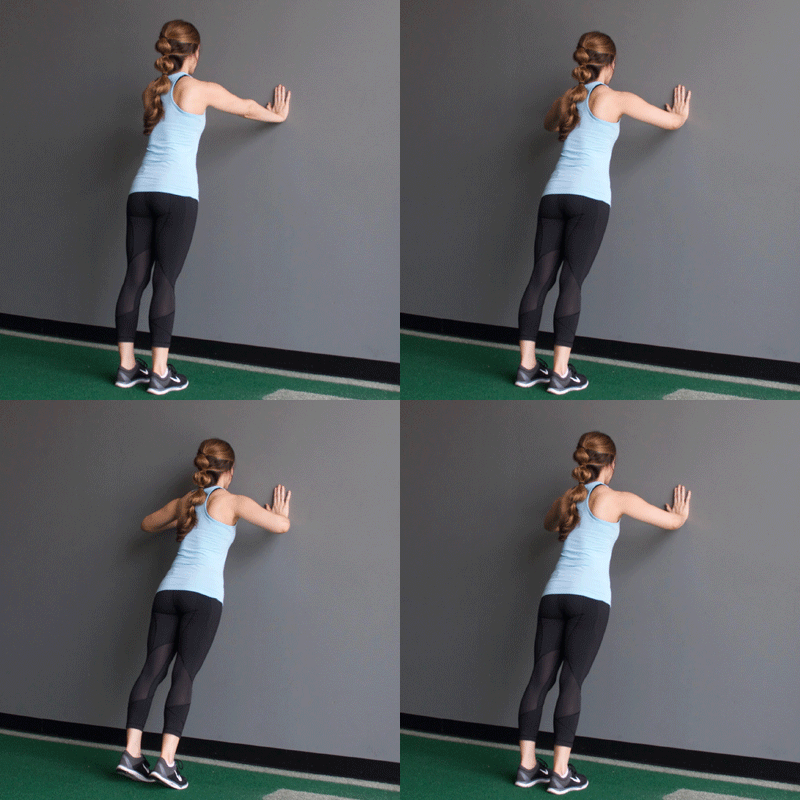
1.) Do push ups against the wall during conference calls/phone calls.
2.) Do 20 arm circles forward/backward, palms up/palms down at each commercial break during your Netflix binge watching sessions, commercial breaks or between episodes.
3.) Squeeze your shoulder blades together tightly while doing the dishes.
4.) Hold your full water bottle straight out in front of you and straight out to the side for 30-60 seconds after filling/refilling.
5.) Punch it out – do boxing jabs and crosses to the beat of a song for the entire song.
Beacon’s physicians and physical therapy team are still open and seeing patients if you are in pain or need our help with enhanced health and safety protocols. We are also offering telehealth video visits for our existing patients. Call 513-354-3700 to schedule your appointment.
5 Tips to Keep Your Lower Body Healthy
April 2, 2020
Our physical therapy team is committed to keeping our patients healthy and have provided tips to keep you healthy while at home. Here are five tips to keep you lower body healthy.
1.) Climb stairs or march in place for 1 minute every 2 hours.
2.) Do 15 squats during every commercial break while watching TV or between episodes.
3.) Do standing calf raises to the beat of your favorite song- try to go the whole song without stopping.
4.) Do a jumping jack every time you hear or read the word coronavirus.
5.) Hold a wall sit while folding laundry.
Beacon’s physicians and physical therapy team are still open and seeing patients if you are in pain or need our help with enhanced health and safety protocols. We are also offering telehealth video visits for our existing patients. Call 513-354-3700 to schedule your appointment.
5 Tips for a Healthy Back
March 27, 2020
Our physical therapy team is committed to keeping our patients healthy and have provided tips to keep you healthy while at home. Here are five tips to maintain healthy spinal posture.

1.) Be cautious when lifting heavy objects – Try not to bend at the waist when picking something up off the ground, instead bend your knees with proper squat form. Also, keep objects close to your body when carrying or moving items to reduce stress on your spine.
2.) Stretch daily – try to stretch your hamstrings, piriformis and lower extremity daily in order to maintain proper flexibility.
3.) Work on your core strength – perform abdominal bracing and core work in order to build proper strength and stability.
4.) Abdominal bracing – think about engaging your core throughout the day with activities such as sitting, lifting, walking, etc.
5.) Never push through pain – on a day where your back pain has flared up, try not to push through pain, take rest breaks and allow time for proper cool down or healing.
Beacon’s physicians and physical therapy team are still open and seeing patients if you are in pain or need our help with enhanced health and safety protocols. We are also offering telehealth video visits for our existing patients. Call 513-354-3700 to schedule your appointment.
Recipes to Help Diabetes
March 9, 2020
If you have diabetes, you understand the importance of keeping up with your health. Below are three healthy recipes to help take the heavy lifting out of your meal planing!
*Please note: speak with your doctor about what foods are best for you.
.jpg)
Breakfast: Sausage Egg Burritos
Ingredients
- 1/2-pound bulk lean turkey breakfast sausage
- 3 large eggs
- 4 large egg whites
- 1 tablespoon olive oil
- 2 cups chopped fresh spinach
- 2 plum tomatoes, seeded and chopped
- 1 garlic clove, minced
- 1/4 teaspoon pepper
- 6 whole wheat tortillas (8 inches), warmed
- Salsa, optional
Directions
- In a large nonstick skillet, cook sausage over medium heat until no longer pink, breaking into crumbles, 4-6 minutes. Remove from pan.
- In a small bowl, whisk eggs and egg whites until blended. In same pan, add eggs; cook and stir over medium heat until eggs are thickened, and no liquid egg remains. Remove from pan; wipe skillet clean if necessary.
- In skillet, heat oil over medium-high heat. Add spinach, tomatoes and garlic; cook and stir until spinach is wilted, 2-3 minutes. Stir in sausage and eggs; heat through. Sprinkle with pepper.
- To serve, spoon 2/3 cup filling across center each tortilla. Fold bottom and sides of tortilla over filling and roll up. If desired, serve with salsa.
Nutrition Facts
1 burrito: 258 calories, 10g fat (2g saturated fat), 134mg cholesterol, 596mg sodium, 24g carbohydrate (1g sugars, 4g fiber), 20g protein.
Diabetic Exchanges: 2 medium-fat meat, 1-1/2 starch, 1/2 fat.
Recipe found here.
.jpg)
Lunch: Lettuce Wraps
Ingredients
- 1 tablespoon canola oil
- 1 pound lean ground turkey
- 1 jalapeno pepper, seeded and minced
- 2 green onions, thinly sliced
- 2 garlic cloves, minced
- 2 tablespoons minced fresh basil
- 2 tablespoons lime juice
- 2 tablespoons reduced-sodium soy sauce
- 1 to 2 tablespoons chili garlic sauce
- 1 tablespoon sugar or sugar substitute blend equivalent to 1 tablespoon sugar
- 12 Bibb or Boston lettuce leaves
- 1 medium cucumber, julienned
- 1 medium carrot, julienned
- 2 cups bean sprouts
Directions
- In a large skillet, heat oil over medium heat.
- Add turkey; cook 6-8 minutes or until no longer pink, breaking into crumbles.
- Add jalapeno, green onions and garlic; cook 2 minutes longer.
- Stir in basil, lime juice, soy sauce, chili garlic sauce and sugar; heat through.
- To serve, place turkey mixture in lettuce leaves; top with cucumber, carrot and bean sprouts. Fold lettuce over filling.
Nutrition Facts
3 lettuce wraps: 259 calories, 12g fat (3g saturated fat), 78mg cholesterol, 503mg sodium, 12g carbohydrate (6g sugars, 3g fiber), 26g protein.
Diabetic Exchanges: 3 lean meat, 1 vegetable, 1/2 starch, 1/2 fat.
Recipe found here.
.jpg)
Dinner: Lemon-Lime Salmon with Veggie Sauté
Ingredients
- 6 salmon fillets (4 ounces each)
- 1/2 cup lemon juice
- 1/2 cup lime juice
- 1 teaspoon seafood seasoning
- 1/4 teaspoon salt
- 2 medium sweet red peppers, sliced
- 2 medium sweet yellow peppers, sliced
- 1 large red onion, halved and sliced
- 2 teaspoons olive oil
- 1 package (10 ounces) frozen corn, thawed
- 2 cups baby portobello mushrooms, halved
- 2 cups cut fresh asparagus (1-inch pieces)
- 2 tablespoons minced fresh tarragon or 2 teaspoons dried tarragon
Directions
- Place salmon in a 13×9-in. baking dish; add lemon and lime juices.
- Sprinkle with seafood seasoning and salt.
- Bake, uncovered, at 425° until fish flakes easily with a fork, 10-15 minutes.
- Meanwhile, in a large skillet coated with cooking spray, sauté peppers and onion in oil for 3 minutes.
- Add the corn, mushrooms and asparagus; cook and stir just until vegetables reach desired doneness, 3-4 minutes longer. Stir in tarragon. Serve with salmon.
Nutrition Facts
1 fillet with 1-1/4 cups vegetables: 329 calories, 15g fat (3g saturated fat), 67mg cholesterol, 283mg sodium, 25g carbohydrate (7g sugars, 4g fiber), 27g protein.
Diabetic Exchanges: 3 lean meat, 1-1/2 starch, 1-1/2 fat.
Recipe found here.
Injury Recovery and Mental Health
March 9, 2020
Recovering from an injury can be difficult regardless of the severity. It interrupts your everyday life and prevents you from doing what you love to the fullest. When healing your body and getting back in shape, don’t forget to take care of your mind as well.
As an athlete, your physical health is incredibly important. When you’re not able to do the thing you love due to something out of your control, your mental health can take a hit. In fact, sports psychology indicates that individuals who deal with an injury have to cope with multiple waves of psychological stress. From handling the initial shock of the injury, to processing information given to them by doctors and then managing the recovery process, athletes have to cope with a lot of stress.
Maintaining your mental health while recovering from an injury can be as hard as the physical recovery itself. We’ve outlined some helpful tips below to keep your brain in shape.
Resting and healing is just as productive as going to practice.
While it might feel like it, letting yourself rest is not wasting time. Resting at home or on the sidelines is key to injury recovery and preventing re-injury. Pushing yourself back in the game too early can cause an injury to become worse, resulting in an even longer recovery time.
Recognize and focus on what you can control.
You can always control your attitude towards your health and your recovery. You can control the healthy foods you put in your body and the movement you’re able to do. Focus on doing any positive things you can for your physical and mental health.
Consider going to therapy if you’re struggling.
If you’re feeling continuously down in an emotional slump, consider talking to a therapist. Therapists are great listeners if you need to vent, and can provide some positive direction. If you’re willing to work at improving your emotional health, therapy can be a great option.
If you are in a crisis situation, we encourage you to reach out to the National Suicide Prevention Lifeline at 1-800-273-8255.
For more information on injury recovery, check out our services page. Schedule an appointment today if you need to see any of our Board Certified, orthopedic, spine or sports medicine specialists.
All About Durable Medical Equipment
March 3, 2020
Durable medical equipment (DME) is medical supplies that helps people with a disability or injury complete their daily tasks, such as walking. This equipment is ordered by a healthcare professional when the patient cannot perform everyday tasks or needs assistance with mobility. The term “durable medical equipment” refers to medical equipment that can be used over and over, hence the term “durable.”
People who need DME may include those who are recovering from surgery, living with chronic conditions, or just need a little help with mobility.
Common Types of Durable Medical Equipment in Orthopedics
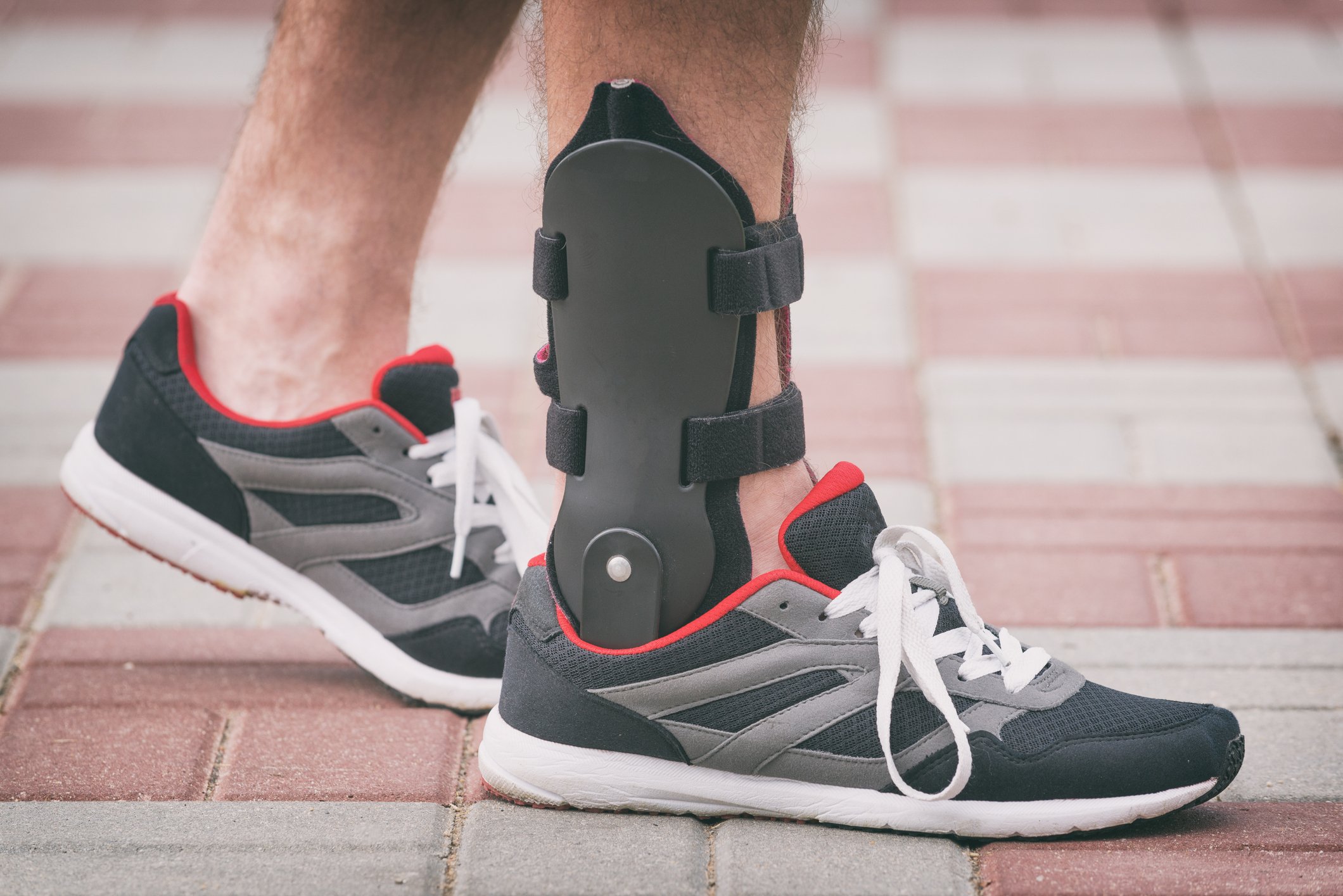
There are many types of DME that may be prescribed by a medical professional, such as:
- Boots
- Braces
- Canes
- Crutches
- Scooters
- Walkers
- Wheelchairs and other mobility aids
Beacon Durable Medical Equipment
At Beacon Orthopaedics & Sports Medicine, we’re dedicated to providing the highest quality orthopedic rehabilitation and pain management products, services and education to patients at the time they need them. We have onsite DME services to provide the proper equipment to patients who need assistance.
Beacon DME partners with Bioworks to provide custom orthotics for our patients. Bioworks is an Orthotic and Durable Medical Equipment Company that has been providing quality care and service for their patients since 1984. They are providers for most commercial insurance companies, as well as Medicare and Medicaid.
If you are interested in our durable medical equipment services, please contact us for more information. Schedule an appointment or visit one of our urgent care centers to be treated by one of our orthopedic, spine or sports medicine specialists.
Why Is Walking Good for You?
February 21, 2020
Walking is a great way to improve and maintain your overall health, even if done for just half an hour a day. It’s low impact, requires minimal equipment, and can be done any time of day. If you aren’t able to perform more rigorous forms of exercise due to an injury, existing physical condition, or just haven’t exercised in a while, walking is a great option for you.
Benefits of Walking
.jpg)
Walking comes with a variety of benefits, including:
- Burns calories
Like with any exercise, walking burns calories. This helps in reducing body fat and increasing the efficiency of your metabolism. - Strengthens the heart
Since your heart is a muscle, it needs to be put to work. Walking increases your heart rate, which makes it pump faster. Your heart pumps blood to your muscles, and the more you exercise, the more efficiently it will be able to do this. - Helps lower blood pressure
Regular aerobic exercise helps strengthen your heart (as mentioned above), making it work less to pump. Therefore, the force on your arteries decreases, lowering your blood pressure. - Eases joint pain
Walking helps build muscle, which in turn takes pressure off of joints. - Boosts energy
Your heart pumps blood and oxygen through the body. When your heart rate increases, this oxygen flow increases as well. This will give you an extra boost of energy. Walking has also been proven to increase your levels of cortisol, epinephrine, and norepinephrine. These hormones help elevate energy levels. - Improves mood
Exercise produces endorphins, the hormones that alleviate stress and (in some cases) feelings of depression. - Tones your legs
Building and toning your muscles is an effect of every exercise. Since walking is a weight-bearing exercise that primarily uses your legs, you’ll build muscle and burn fat in your lower body.
Physical Therapy for Sports Injuries
February 17, 2020
Almost every athlete will experience an injury at some point in their careers. Whether you’re a pro or casual player, athletic activity puts you at risk. Your injury may be due to an inadequate warmup, poor training, overuse or a single traumatic event. Coping with these injuries can be difficult, but with proper care and physical therapy, many athletes can come back to the game they love.
Physical therapy is a crucial step in recovering from a sports injury. Not only can it help heal the injury itself, it helps rebuild the strength and range of motion necessary to prevent another injury. It can also help reduce stiffness and pain when done correctly and hot/cold therapy is utilized.
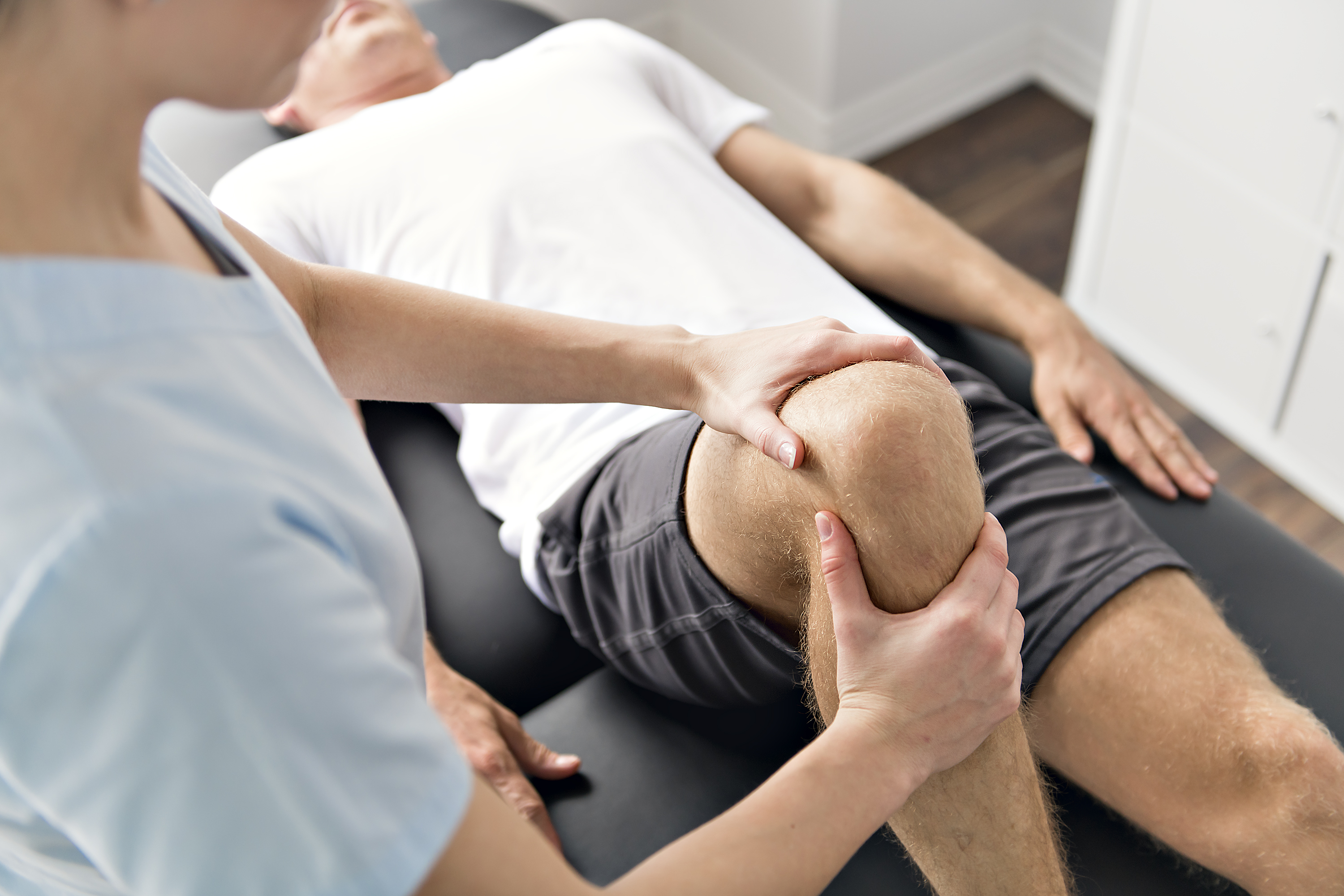
Physical therapists are professionals trained to help patients recover from an injury. They guide patients through exercises, techniques, and stretches to achieve recovery and prevent future injuries. Whether it’s recovering from a sprained ankle or a severe fracture, physical therapists are trained to assist patients at all levels.
Physical therapy for sports injuries involves several goals for the patient. The first is helping the injury heal via safe exercises and stretches. The second is to refine the body mechanics of the athlete and to build up strength so the injury doesn’t happen again. Learning proper movement mechanics is just as vital as building up strength when it comes to injury prevention. Ultimately, healing and prevention are the primary reasons someone may go to a physical therapist for a sports injury.
Beacon’s Physical Therapy for Sports Injuries and Prevention
At Beacon Orthopaedics & Sports Medicine, we provide compassionate, state-of-the-art orthopedic care that assists the needs of patients with a wide range of orthopedic and sports medicine injuries. Along with general physical therapy for sports injuries, we also offer a variety of specialized programs for athletes of specific sports. These programs include:
The Bridge Program
This unique program is designed for those individuals who have suffered an injury and who have completed formal rehabilitation for that injury. After clearance from a qualified orthopedic professional, this unique, functional training program can bridge the gap from the rehabilitation clinic to playing a sport again.
The Golf Rehabilitation and Performance Program
The Golf Rehabilitation Program utilizes the expertise of a physical therapist with a Titleist Performance Institute (TPI) level 3 medical certification to provide a comprehensive assessment for golf rehabilitation and performance. Those recovering from an orthopedic injury, or healthy individuals looking to optimize their golf game, are welcome in this program.
The Baseball Throwing Program
This comprehensive baseball program is designed for baseball athletes who have completed their formal rehabilitation and have been cleared by their orthopedic physician. This program focuses on getting players back on the mound or field safely. We use the latest motion tracking technology, Motus, to monitor proper throwing technique and use specific throwing routines to help athletes return to play and remain healthy.
The Running Analysis Program
This program caters to the avid runner trying to return to training or runners who are already participating in races. It consists of a personal evaluation, video analysis, and personal exercise/training recommendations to get runners back on their feet or prevent injuries altogether.
Come to Beacon for Physical Therapy
Beacon Orthopaedics & Sports Medicine offers physical therapy services at the Summit Woods, Beacon West, Beacon Miamisburg (Dayton), and Northern Kentucky locations. With open workspace at each location, the physical therapy teams work side by side with the Beacon physicians to provide their patients with a complete continuum of care. Patients who are prescribed physical therapy enjoy the convenience of early morning, daytime, and evening appointment availability.
For more information, please call:
(513) 389-3666 (Summit)
(513) 354-7777 (West)
(513) 815-5585 (NKY)
(937) 449-0796 (Miamisburg)
If you’re interested in scheduling an appointment for orthopedic care, click here!
The Best Exercises for Heart Health
February 13, 2020
February is American Heart Month, and here at Beacon Orthopaedics & Sports Medicine we’re passionate about using exercise to stay healthy and happy. Even the most basic exercises that get you moving can go a long way in keeping not only your heart, but the rest of your body healthy. Learn more about some heart-healthy exercises here!
Aerobic

Aerobic exercises are some of the best ways you can keep your heart strong and healthy. They improve circulation, increase overall fitness, and can reduce the risk of type 2 diabetes. The improved circulation helps lower blood pressure and improves how well the heart pumps.
Examples of aerobic exercises include running, swimming, cycling, and brisk walking. Experts suggest doing aerobic activity at least 30 minutes per day, five days a week.
Strength/Resistance Training
Strength training helps create leaner muscle mass and reduces fat. People who carry a lot of body fat are at higher risk of heart disease, and a combination of aerobic and resistance training may help raise good cholesterol and lower bad cholesterol.
Examples: Push-ups, squats, chin-ups, resistance bands, and weights.
Stretching
While stretching and improving your flexibility may not directly impact your heart health, they do contribute to musculoskeletal health. Flexibility helps keep your body free from joint pain and cramping, which can keep you from doing the above exercises. By increasing your flexibility, you’re indirectly helping your heart!
Examples: basic hamstring, quad, and arm stretches, yoga, tai chi.
If you want more exercises tailored to your activity level, we suggest contacting your doctor or an athletic trainer/physical therapist. Schedule an appointment at Beacon today or contact us to learn more about how we can help you and your heart maintain your health today!
Craig Lindsey Receives NATA Servant’s Heart Award
February 13, 2020
At Beacon Orthopaedics & Sports Medicine, each of our healthcare specialists bring experience as well as compassion to their craft. We are proud to announce that Craig Lindsey, Head Athletic Trainer at Archbishop Moeller High School and ATC Manager at Beacon Orthopaedics, is the recipient of the NATA Servant’s Heart Award for 2020.
About the Servant’s Heart Award
This annual award is given to the secondary school athletic trainer who demonstrates exemplary service, commitment, and care in the secondary school setting. The Servant’s Heart Award recognizes deserving secondary school ATs in each district for their service to the athletic training profession, their schools, and their communities.
This award recognizes ATs who have:
- Demonstrated a long-term commitment to the secondary school setting.
- Provided public awareness, promotion and education about the AT’s role in their local communities.
- Helped establish and maintain the athletic trainers’ presence in the secondary school setting.
- Promoted the secondary school setting as a career-destination.
- Exhibited a consistent and exemplary level of student athletic health care.
Criteria:
- AT has made progressive and substantial improvements to his/her athletic training program.
- AT provides extraordinary service to local community.
- Current or former member of at least one committee or board as an athletic trainer.
About Craig
Craig Lindsey has served as Head Athletic Trainer at Archbishop Moeller High School for over 25 years. Over the years he has earned the respect and trust of the entire Moeller community.
 He earned his B.A. in Physical Education and Health from Berea College in 1992. In 1994, he completed the Athletic Training curriculum from Wright State University. In addition to his duties at Moeller High School, Craig also serves as the Lead Athletic Trainer for Beacon Orthopaedics, where he works extremely close with the Director of Corporate Outreach, Josh Clarke.
Craig has worked with Dr. Timothy Kremchek during his time at Beacon, and they have built a great relationship and sports medicine team. He works tirelessly to support the athletes of Moeller HS by making sure all practices and events have the proper medical care. He serves as an Approved Clinical Instructor for the following Athletic Training Programs: Mt. St. Joseph University, University of Cincinnati, Northern Kentucky University and Wright State University; which provide high school internship opportunities to athletic training students.
Craig is also a devoted family man and enjoys spending time with his wife Robin and two kids Austin and Ashlee.
We congratulate Craig on this huge accomplishment in his career. If you’re interested in learning more about our athletic training services, or any of our other orthopedic services, contact us today for more information!
What Are the Most Common Skiing Injuries?
February 4, 2020
Skiing is a fun winter sport that many enjoy. However, like all other sports it comes with a risk of injuries. Learn all about what they are and how to avoid them here!
Knee Sprains
.jpg)
Of all injuries, knee injuries are the most common when it comes to skiing. Sprains occur when a ligament is torn or stretched too far. These happen when too much force is put on the knee or when the knee bends in an unnatural direction. Strengthening the knee can help prevent this injury. If you are prone to knee sprains, wearing a brace that is designed to offer more support to the knee will help stabilize the joint.
Broken Wrists
Falling and catching yourself on your hands is common in skiing. However, this can lead to a fracture of the wrist. Wearing a wrist brace is a great way to prevent this type of injury. If you can’t get a brace, try falling towards your side rather than onto outstretched arms.
Shoulder Dislocations
Shoulder dislocations happen when the humerus (bone of upper arm) becomes dislodged from the shoulder socket. While not usually severe or serious, dislocation is incredibly painful. Strengthening your shoulder muscles and avoiding landing on your shoulder will help prevent a dislocation injury.
Spinal Injuries
Injuring your spine is extremely rare for people who ski recreationally but can be a very real threat for people who ski competitively. Serious falls, especially moving at a high velocity, can put pressure on the spinal cord. If you experience any neck or back pain after a fall, see an orthopedic spine specialist immediately.
If you or a loved one experience an injury while skiing, walk in to a Beacon Orthopaedics Sports Medicine Urgent Care Center during posted hours of operation or, schedule an appointment at one of our offices. Our orthopedic specialists can get you back on the slopes in no time!
10 Tips for Staying Healthy During Sports Practice
January 29, 2020
No matter the sport or the season, it’s important to keep your young athlete healthy and happy during practice. With these 10 tips from Beacon Orthopaedics & Sports Medicine, you can be sure you’re in the best possible position from practice to game day!
1. See a doctor and get a physical.
Many schools/organizations require a physical exam before your child can play a sport. Even if they don’t, it’s a good idea to make sure they are healthy enough to participate.
2. Get in shape before the season starts.
This is especially important if your child has had a long period of rest in between seasons.
3. Share your emergency contact information with your coach and supervisors.
Make sure the people running practice know what to do in case of an emergency. Also, ensure they are aware of any pre-existing medical conditions your child has.
4. Make sure the coach is prepared.
The coach and other adults should be prepared for injuries to occur. Ask them what their protocol is when a child is hurt. They should also be certified in CRP and first aid.
5. Check your gear before practice.
The right equipment can make all the difference. Check to be sure it fits properly and is in good repair.
6. Warm up and stretch before each practice and game.
Warming up helps prevent tears and sprains.
7. Stay hydrated.
Dehydration can lead to lightheadedness and fainting, putting your young athlete at risk of hitting their head or risking other injuries.
8. Follow a good diet.
While eating a well-balanced diet is important for everyone, it is especially important for athletes of all ages to eat enough to offset the calories burned during practice.
9. Get enough rest every night.
Getting plenty of sleep, especially before practice and games, will ensure your athlete’s senses and concentration are sharp and help them make smart choices.
10. Be a good sport.
Teach your child to play by the rules and avoid aggressive behavior. Fighting on the field is a sure-fire way to get hurt! Dr. Henry Stiene, Joint Medical Director and Team Physician for Xavier University Athletics, says, “Youth athletes should always have fun playing a sport they enjoy. Being prepared and staying injury free can help make the experience fun for the athlete and parents as well.”
Sometimes, injuries are inevitable. If your young athlete gets injured, come to Beacon Orthopaedics & Sports Medicine or visit our Urgent Care center to see a specialist today!
Preparing for Your MRI
January 23, 2020
Magnetic Resonance Imaging, or MRIs, are often recommended to help officially diagnose injuries and conditions. If you have an upcoming MRI and don’t know what to expect, Beacon Orthopaedics & Sports Medicine is here to answer your questions!.jpg)
Before Your Exam
There is not much that you have to do before having an MRI. Eat, drink, and take any medications normally unless instructed otherwise. Arrive early so you have enough time to fill out any forms and ask any questions you may have. If you are receiving an MRI contrast, an IV catheter will be inserted before the scan begins.
During the Exam
Most MRIs take between 45 minutes to one hour. You will be required to lay as still as possible, and the technician may ask you to hold your breath for a few seconds if necessary. Most of the time, you will be provided with headphones or ear plugs to minimize the sound of the MRI.
Many people are nervous about MRIs because they are afraid of feeling claustrophobic. There is always a two-way intercom between the patient and the technician, so if you feel any discomfort, you can always let them know. At Beacon, our first priority is making sure you feel comfortable with your imaging. If you’re worried about any part of the procedure, mention this to the technician beforehand so they can answer your questions and help you feel more at ease.
After the Exam
If you’ve had an IV inserted, it will be removed after the scan. You will be contacted as soon as your doctor is able to look at your scans and determine if anything was found. Although extremely rare, if you feel any adverse reactions after your scan, contact your technician or doctor immediately.
If you want to know more about MRIs at Beacon, please visit our imaging page and schedule an appointment today!
The Best Foods to Eat for Arthritis
January 21, 2020
Arthritis is a painful inflammatory disease in which the joints become stiff and swollen. Although it primarily affects seniors, it can affect people of all genders, ages, and backgrounds.
.jpg)
Treatment of arthritis generally includes rest, occupational or physical therapy, exercise, drugs, and sometimes surgery to correct joint damage. While just changing your diet won’t provide a cure, there are some foods that have proven anti-inflammatory properties which can help ease your symptoms.
- Garlic
Garlic is full of healthy properties! Research has shown that it can help reduce inflammation and cartilage damage caused by arthritis. Try finding recipes that utilize garlic – just make sure to brush your teeth afterwards!
- Beans
Beans are great for adding fiber and protein to your diet. They can also help with heart and immune system health. According to the Arthritis Foundation, along with other health benefits, beans can help reduce inflammation and pain associated with arthritis.
- Green Tea
Green tea is full of antioxidants called polyphenols which help reduce inflammation and slow cartilage damage. Be careful with the amount of green tea you drink, though – while it provides a lot of health benefits, drinking excessive amounts may cause stomach irritation or a raised heart rate.
- Broccoli
This green vegetable is full of vitamins and calcium! Along with anti-inflammatory properties, broccoli can help with keeping your bones healthy and strong.
- Cherries
Cherries contain anthocyanins, a class of compounds with antioxidant effects. Research has shown that they help reduce inflammation among other health benefits.
- Fatty Fish
Fish like salmon, tuna, herring, and mackerel are high in omega-3 fatty acids which are proven to reduce inflammation. Experts recommend at least 3-4 ounces of fish twice a week.
Recipes for Arthritis
Breakfast: Cherry, Almond, and Coconut Smoothie
Ingredients:
8 oz cherry juice
6 oz coconut water
½ avocado
1 cup blueberries
1 tbsp almond butter
Directions:
- Combine all ingredients in a blender and blend until smooth. Serve immediately.
(Recipe found here)
Lunch: Kale Caesar Salad with Grilled Chicken Wrap
Ingredients:
8 ounces grilled chicken, thinly sliced
6 cups curly kale, cut into bite sized pieces
1 cup cherry tomatoes, quartered
¾ cup finely shredded Parmesan cheese
½ coddled egg (cooked about 1 minute)
1 clove garlic, minced
½ teaspoon Dijon mustard
1 teaspoon honey or agave
1/8 cup fresh lemon juice
1/8 cup olive oil
Kosher salt and freshly ground black pepper
2 Lavash flat breads or two large tortillas
Directions:
- In a bowl, mix together the half of a coddled egg, minced garlic, mustard, honey, lemon juice and olive oil. Whisk until you have formed a dressing. Season to taste with salt and pepper.
- Add the kale, chicken and cherry tomatoes and toss to coat with the dressing and ¼ cup of the shredded parmesan.
- Spread out the two lavash flatbreads. Evenly distribute the salad over the two wraps and sprinkle each with ¼ cup of parmesan.
- Roll up the wraps and slice in half. Eat immediately
(Recipe found here)
Dinner: Lemon Herb Salmon and Zucchini
Ingredients:
4 zucchinis, chopped
2 tablespoons olive oil
Kosher salt and freshly ground black pepper, to taste
For the Salmon:
2 tablespoons brown sugar, packed
2 tablespoons freshly squeezed lemon juice
1 tablespoon Dijon mustard
2 cloves garlic, minced
1/2 teaspoon dried dill
1/2 teaspoon dried oregano
1/4 teaspoon dried thyme
1/4 teaspoon dried rosemary
Kosher salt and freshly ground black pepper, to taste
4 (5-ounce) salmon fillets
2 tablespoons chopped fresh parsley leaves
Directions:
- Preheat oven to 400 degrees F. Lightly oil a baking sheet or coat with nonstick spray.
- In a small bowl, whisk together brown sugar, lemon juice, Dijon, garlic, dill, oregano, thyme and rosemary; season with salt and pepper, to taste. Set aside.
- Place zucchini in a single layer onto the prepared baking sheet. Drizzle with olive oil and season with salt and pepper, to taste. Add salmon in a single layer and brush each salmon filet with herb mixture.
- Place into oven and cook until the fish flakes easily with a fork, about 16-18 minutes.
- Serve immediately, garnished with parsley, if desired.
(Recipe found here)
If you have arthritis and are seeking treatment for pain, schedule an appointment with one of our physicians today!
Top Doctors 2020 at Beacon
January 15, 2020
Each year, physicians are selected by their peers in a survey, asking them which physicians they would turn to for their own personal care. Beacon doctors – 25 Tri-State physicians – were named to Cincinnati Magazine’s Top Docs List of 2020. We are very proud of all of our physicians and thank the medical community for their recommendations. Click on any of the physician’s names below to view their personal profile page, orthopedic specialty and discover why their peers view them as top doctors in the Cincinnati region.
You can schedule an appointment with our Board Certified and Fellowship Trained physicians online or by phone 24/7 with no referral necessary. Beacon has nine convenient locations, evening and weekend appointments and urgent orthopedic care clinics so that patients can get the care they need quickly.
Top Docs 2020:
Foot & Ankle Surgery
Hand Surgery
Orthopaedics Surgery
Pain Medicine
Physical Medicine & Rehabilitation
Spine Surgery
Sports Medicine
You can schedule with our physicians 24/7/365 online or by phone at (513)-354-3700.
How a mother and daughter overcame similar sports injuries
January 15, 2020
Cincinnati Enquirer
To read the full article from The Enquirer, please click here.
If it’s possible for competitiveness to run in a family, Meridith Barone is a textbook example. Both she and her father are in the Indiana Basketball Hall of Fame — one of only two father-daughter duos to be honored there. She’s also passed on a love of sports to her daughter Maddie.
Barone and her daughter have also faced some of the same challenges that come with playing sports at a high level, including similar injuries. Both have had to deal with a torn ACL, a key ligament that connects the thighbone to the shinbone. They’ve also turned to the same surgeon to get back in the game.
“There’s a genetic predisposition for individuals to have ACL ruptures, and it’s unfortunate that Meridith and her daughter had to go through the exact same recovery,” said Dr. Peter Cha, an orthopedic surgeon at Beacon Orthopaedics who also resides as the organization’s president and is fellowship trained in sports medicine.
Barone first met Cha while looking for a new doctor after a failed recovery from her first ACL surgery.
“I had my first ACL surgery around 2013 with another doctor who just used a different procedure,” Barone said. “I was in therapy for five months and all kinds of things, but we just couldn’t get all of my strength and mobility and everything back. After several years of suffering, and also getting a blood clot from that surgery, I finally decided to get a second opinion.”
Barone recalls interviewing at least three different doctors from multiple practices before settling on Cha in late 2018. While she wasn’t thrilled about the prospect of a second surgery for the same injury, she was impressed by Cha’s thoroughness and custom-tailored approach to her injury.
Basically he told me, ‘I will help restore your quality of life.’ And he did,” Barone says. “Within one week after the surgery, I had so much less pain than I did before.”
Barone’s own competitive drive and desire to return to an active lifestyle also played a role in her recovery.
“She worked her tail off in physical therapy and ended up getting back to a high level of functioning after the surgery,” Cha said. “She was very discouraged about going through another ACL reconstruction, so her challenge and the mountain she had to climb was very significant, but she answered the call and really came through.”
When Barone’s daughter Maddie suffered a similar injury playing volleyball the following year, the family was immediately in contact with Cha again.
“We got the surgery done quickly, which is really important for scar tissue reduction, and because the strength goes out of your leg immediately once the ACL breaks,” Barone said. “I think she’ll definitely come out stronger on the other side. She’ll be able to rebound and have a very healthy and active life because of having the surgery with him, and also with that physical therapy team.”
Like her mother, Maddie is recovering quickly.
“Neither of those two individuals had any issues,” Cha said. “They were both superstars.”
That said, Maddie’s quick recovery is also sparking some friendly family rivalry.
“She’s ahead of all of her milestones,” Barone said. “They make fun of me. They say she’s surpassing everything that I did, recovering quicker. I was like, ‘Wait a minute. You know how competitive I am!’”
Dr. Cha and Beacon Orthopaedics physicians treat the pros, student athletes and weekend warriors every day. To book an appointment, click here.
How Often Should You Wash Your Hands?
January 13, 2020
With the cold weather officially here, illness is spreading quickly through schools and office environments. We all know washing your hands is important, but how often should you do it to keep germs and infection at bay?
The Center for Disease Control and Prevention (CDC) recommends you should wash your hands during the following times:
.jpg)
- Before, during, and after preparing food
- Before eating food
- Before and after caring for someone who is sick
- Before and after treating a cut or wound
- After using the toilet
- After changing diapers or cleaning up a child who has used the toilet
- After blowing your nose, coughing, or sneezing
- After touching an animal, animal feed, or animal waste
- After handling pet food or pet treats
- After touching garbage.
The Proper Way to Wash Your Hands
Did you know that you should be scrubbing your hands for at least 20 seconds? In order to properly prevent the spread of illness, follow the below steps in order to effectively wash your hands.
- Wet your hands with clean water. (Hint: don’t use really hot water, you may burn your hands.)
- Lather your hands with soap. Don’t just get the palms of your hands, make sure to lather the backs of your hands and in between your fingers.
- Scrub your whole hand (including under your fingernails) for at least 20 seconds.
- Rinse your hands with clean water.
- Dry them using a clean towel. If one is not available, let them air dry.
Is Hand Sanitizer Effective Against Germs?
Hand sanitizer may be used when clean water and soap is not available. Read the label to make sure it has at least 60% alcohol content. While this is not effective against all types of bacteria, it is an acceptable alternative.
Q&A with Concussion Expert from Beacon Orthopaedics & Sports Medicine, Dr. Matic
January 9, 2020
A concussion, also known as a mild traumatic brain injury, is caused by a bump, blow, or jolt to either the head or the body causing the brain to move rapidly inside the skull. A concussion changes how the brain normally functions but the effects vary depending on the person and the severity of trauma.
.jpg)
The leading causes of concussions are falls, motor vehicle-related injuries, unintentionally being struck by an object, assaults, and playing sports. More than 85% of concussions heal fine, but only if managed correctly in the first days to weeks following the injury. At Beacon Orthopaedics and Sports Medicine, we are lucky to have a concussion expert on hand and have conducted a Q&A with him to answer some of your frequently asked questions about concussions!
Meet Dr. Matic
George Matic, MD, practices Primary Care Sports Medicine and non-operative orthopedics at Beacon Orthopaedics & Sports Medicine. He is fellowship trained in Primary Care Sports Medicine and has earned his medical doctorate, master’s and bachelor’s degrees from The Ohio State University. He has served as a team physician for The Ohio State University, Columbus Clippers (the AAA affiliate of the Cleveland Indians), Capital University, University of Dayton, Wright State University and Olentangy and Beavercreek High Schools.
Why are you passionate about this topic? Was there a single event that made you want to educate people on concussions further, or has it been a gradually growing interest?
The first time I was introduced to concussion management was in medical school when I rotated in the pediatric concussion clinic. I was able to see kids of all ages who suffered a concussion. It was amazing to see how the severity of symptoms and recovery times varied per athlete. What was most noticeable was the lack of education the coaches, parents, and athletes had about concussions. This sparked my interest in concussion management, but more importantly, I was interested in educating these groups on concussions.
What are the warning signs of concussions? Are there any that the general public may not be aware of?
We look for how the injury occurred. Concussions can occur by a direct blow to the head, landing on the head, or a whip-lash type of injury. The most common symptom of a concussion is a headache. However, other common signs and symptoms include “not feeling right,” “feeling in a fog,” confusion, nausea, vomiting, increased emotions, loss of consciousness, and forgetfulness. Although symptoms commonly occur shortly following the injury, symptoms can present several hours or even days after the injury.
If someone thinks they might have a concussion, what should they do?
If someone feels they may have a head injury, they should immediately remove themselves from the activity they were participating in. It is extremely important that the athlete report when he/she is experiencing concussion symptoms. However, coaches, parents, and officials also have a responsibility to remove athletes they feel may suffered a head injury.
Do you have any tips for avoiding concussions?
Although there is no helmet designed to completely prevent concussions, wearing a helmet is one of the best things we can do to prevent a serious brain injury. This not only includes sports we commonly think of such as football and hockey, but also other activities like skiing, snowboarding, and biking. Rule changes have helped try to mitigate concussion risk as well. Teaching proper rules, tackling, checking, and heading a ball for example can help youth athletes prevent concussions. However, it still can be difficult to avoid head injuries completely, so the best thing we can teach is how to recognize a possible concussion and take the appropriate steps to remove the athlete from play.
How does Beacon treat concussions?
Here at Beacon, our treatment of concussions starts with education. We try to educate the community about prevention, signs and symptoms, removal from play, and return to sport. One of the main ways we do this is by having certified athletic trainers available at the high schools, club groups, and colleges we take care of. Many schools are implementing baseline testing so comparisons can be made if an athlete were to suffer a concussion. Once a concussion is suspected, they will see a healthcare provider, typically the athletic trainer as well as a physician in order to diagnose and develop a treatment plan. We do further neurocognitive testing in the office that may include written testing and/or computerized testing with ImPACT. Once diagnosed, a treatment plan is formed to allow the athlete to return to school and eventually safe return to sport.
If you think you may have a concussion, come to Beacon Orthopaedics & Sports Medicine. Dr. Matic and our concussion specialists are available to help when you need it!
Why Should I Donate Blood?
January 8, 2020
Have you ever wondered why you should donate blood? You’ve probably heard it can save lives, but do you know exactly who needs blood or when they need it? Lots of schools, businesses, and other establishments do annual blood drives, but many don’t know the true importance of donating safe blood. Learn about why you should consider donating, and if you qualify below!
6 Reasons to Donate Blood
.jpg)
- There is very little pain involved! After the initial stick, you shouldn’t feel any pain.
- People who have experienced severe trauma, such as car accidents or natural disasters, may need blood to replace large quantities that may have been lost.
- Women who have complications with their pregnancies, such as a hemorrhage before, during or after birth, is one of the most common reasons why blood may be needed.
- Children with severe anemia are in need of blood transfusions because this blood disorder results from a lack of red blood cells and leads to reduced oxygen flow to the body’s organs.
- Complex medical and surgical procedures often need blood on-hand in case of emergencies.
- There is a constant need for a regular blood supply because it can only be stored for a limited time.
Can I Donate Blood?
If you’re interested in donating blood, there are a few simple requirements you must meet in order to safely do so. Each center varies on specific requirements, but the ones listed below are what you can expect:
- You must be 18+ years old or have parental permission.
- You must weigh at least 120 pounds.
- You must be free of any major organ or blood diseases, such as heart disease, lung disease, and bleeding tendencies.
- You must not be taking any antibiotics or other supplements that could influence donation. If you’re insured, contact the agency you’re donating to before you go in.
- Check with your doctor if you’ve recently had surgery or traveled outside of the US.
By donating blood, you help save lives. If you’ve donated in the past and continue to donate today, thank you from everyone at Beacon Orthopaedics! If you have an orthopedic injury, schedule an appointment with one of our specialists or stop by our Urgent Care today!
Winter Safety Tips
December 17, 2019
Are you prepared for the cold weather? Check out some of our winter safety tips below to help you avoid injury!
- Prepare! Make sure you have a plan in place for if you fall, get injured, or get in a car accident.
 Have your phone on or near you at all times for easy access, drive carefully on the roads, and pay attention to weather advisories. Always make sure your gas tank is half-full to avoid a frozen gas line.
 - Be careful when shoveling snow. Grueling levels of activity at freezing temperatures can put people who live sedentary lifestyles at risk for heart attacks. Avoid consuming caffeine beforehand because it increases your heart rate.
- December and January are the peak times for increased carbon monoxide levels. Freezing cold temperatures increases the use of gas-powered furnaces as well as the use of alternative heating and power sources (portable generators, charcoal briquettes, propane stoves or grills) during power outages. Make sure your carbon monoxide detectors have fresh batteries.
- Dress warmly. Many people choose not to dress very warmly because they don’t like the bulkiness of a coat or they think they’ll only be out in the cold for a shot amount of time. In reality, you never know when an emergency situation could occur. For example, your car could break down and a tow truck may not be able to reach you in a short amount of time. Make sure your skin is covered in lose, warm layers.
- Avoid crossing the road from behind cars or snowbanks. An approaching vehicle may not be able to see you, and cars may not be able to stop in time due to icy conditions.
- Clear walkways and take short steps when walking on icy paths. Falls account for about 40% of winter-related injuries.
.jpg) Have your phone on or near you at all times for easy access, drive carefully on the roads, and pay attention to weather advisories. Always make sure your gas tank is half-full to avoid a frozen gas line.
Have your phone on or near you at all times for easy access, drive carefully on the roads, and pay attention to weather advisories. Always make sure your gas tank is half-full to avoid a frozen gas line.If you or a loved one get injured, come to Beacon Orthopaedics & Sports Medicine. We treat all orthopedic injuries including fractures, tears in the tendons or muscles, as well as concussions. Schedule an appointment today or walk in to one of our urgent cares.
Meet the Best Knee Surgeons in the Cincinnati Area at Beacon Orthopaedics & Sports Medicine
December 11, 2019
At Beacon Orthopaedics & Sports Medicine, we are lucky to have some of the best knee surgeons in the country on our staff. When you have a knee injury and don’t know where to go, our doctors are available without a referral from the ER or a physical therapist. Meet our talented knee surgeons here!
 Dr. David Argo
 Dr. David Argo
David Argo, M.D. is a fellowship trained orthopedic surgeon specializing in sports medicine. He is passionate about helping people get back on their feet, making him one of the best knee surgeons in the Cincinnati area! Dr. Argo sees patients at Beacon West and at the satellite office in Lawrenceburg, IN. He does surgery at the Beacon West Surgical Center, Summit Woods Surgical Center; he also has surgical privileges at Good Samaritan Hospital, Christ Hospital, and Dearborn County Hospital.
Book an appointment with Dr. Argo here.
Dr. Robert Burger
 Dr. Robert Burger
Dr. Burger is a founding member of Beacon Orthopaedics & Sports Medicine, served as President of Beacon for six years, and was a member of the executive committee for Beacon’s first 20 years. Dr. Burger performs advanced arthroscopic and open procedures on the knee, the shoulder, the elbow, and the ankle. He has special expertise in the treatment of complex knee injuries, including ACL tears, multiple knee ligament instabilities, meniscal and articular cartilage injuries, and patellar dislocations.
Schedule an appointment with Dr. Burger here.
Dr. Drew Burleson
 Dr. Drew Burleson
Drew Burleson, M.D. is a fellowship trained orthopedic surgeon specializing in sports medicine and minimally invasive arthroscopic surgery of the knee, hip, shoulder, and elbow. He also has a special interest in employing state of the art techniques in cartilage restoration and biologics. As a former athlete, he’s passionate about helping people get back on their feet and back to what they love. This passion makes him one of the best knee surgeons in the area!
Schedule an appointment with Dr. Burleson here.
Dr. Peter Cha
 Dr. Peter Cha
Peter Cha, M.D. is an orthopedic surgeon and President of Beacon Orthopaedics & Sports Medicine. His interests include sports related injuries and pathology of the shoulder, knee, hip elbow, foot, and ankle. Dr. Peter Cha specializes in sports medicine including trauma, reconstructive procedures, minimally invasive surgical techniques, and arthroscopy.
Schedule an appointment with Dr. Cha here.
Dr. Haleem Chaudhary
 Dr. Haleem Chaudhary
Dr. Hal Chaudhary is board certified and fellowship trained in adult joint reconstruction. His professional interests include primary hip and knee replacements, revisions of hip and knee replacements, unicondylar knee replacements, minimally invasive techniques, general orthopedics, and orthopedic trauma.
Schedule an appointment with Dr. Chaudhary here.
Dr. Steve Hamilton
 Dr. Steve Hamilton
Dr. Steve Hamilton is a sports medicine physician and orthopedic surgeon with special interests including minimally invasive arthroscopic surgery of the shoulder, hip, knee and ankle, treatment of athletic foot and ankle injuries, and fracture treatment.
Dr. Hamilton sees patients at three locations: Beacon East, Northern Kentucky, and Summit Woods.
Schedule an appointment with Dr. Hamilton here.
Dr. Matthew A. Johansen
 Dr. Matthew A. Johansen
Dr. Matthew Johansen is a board certified and fellowship trained orthopedic surgeon who specializes in hip and knee replacements. He is sub-specialty trained in partial knee replacements, total knee replacements, total hip replacements, and revisions. He currently sees patients at five locations: Beacon Summit Woods, Beacon West, Beacon East, Lawrenceburg, and Northern Kentucky.
Schedule an appointment with Dr. Johansen here.
Dr. Timothy Kremchek
 Dr. Timothy Kremchek
Timothy Kremchek, M.D. is a board certified orthopedic surgeon who is fellowship trained in sports medicine. Dr. Kremchek treats professional athletes from a variety of sports and all levels of competition. He is most passionate about treating overuse injuries and is one of the loudest voices in the community when it comes to treating preventable injuries. Although he is one of the best knee surgeons in the area, he is all about taking preventative measures. He currently treats patients at three locations: Wilmington, Miamisburg, and Summit Woods.
Schedule an appointment with Dr. Kremchek here.
Dr. Glen McClung
 Dr. Glen McClung
Glen McClung, M.D. is an orthopedic surgeon and sports medicine doctor whose passion is supporting high school athletes. Dr. McClung sees patients at multiple facilities for their convenience. He generally holds clinics at Beacon East in Anderson, Beacon Summit Woods in Sharonville, and Beacon NKY in Erlanger. He specializes in sports medicine and treatment of elbow, hip, knee, and shoulder injuries, including fractures.
Schedule an appointment with Dr. McClung here.
Dr. Andrew J. Razzano
 Dr. Andrew J. Razzano
Andrew J. Razzano, DO, is a board certified and Fellowship Trained Orthopaedic Surgeon whose special interests include sports medicine and treatment of knee, shoulder, and elbow injuries and conditions. Dr. Razzano performs shoulder replacements and reverse shoulder replacements, as well as minimally invasive treatments for the knee and elbow. He sees patients at Miamisburg and Summit Woods.
Schedule an appointment with Dr. Razzano here.
Dr. Robert Rolf
 Dr. Robert Rolf
Robert Rolf, MD, is the Co-Director of the Beacon Orthopaedics & Sports Medicine sports medicine fellowship program. He is not only board certified in Orthopaedic Surgery, but also has his Specialty Certificate in Sports Medicine. This makes him one of the best knee surgeons in the area! Dr. Rolf’s specialties include treatment of the knee, elbow, hand and wrist, and joint replacement. You can schedule an appointment with Dr. Rolf at Batesville, Beacon West, Lawrenceburg, Northern Kentucky, and Summit Woods.
Schedule an appointment with Dr. Rolf here.
Dr. Michael Swank
 Dr. Michael Swank
Dr. Michael Swank is a board-certified orthopedic surgeon at Beacon Orthopaedics & Sports Medicine who specializes in hip and knee surgery. He is a pioneer in minimally invasive computer and robotic-assisted hip and knee surgery. Dr. Swank’s research has led to numerous innovations in patient care that help patients recover faster, experience less pain, and return more quickly to their daily life.
Schedule an appointment with Dr. Swank here.
5 Tips for a Quick Recovery
December 6, 2019
If you’ve had surgery in the past, or have one coming up, you know the importance of a quick, effective recovery. While there’s no easy way to get around putting in the hard work required of recovery, there are things you can do to make the process go a little faster.
Don’t stay in bed.
As soon as your doctor says you can get up and move around, you should. Listen to what your doctor says is a safe range of motion/level of activity, but get up and walk around as soon as possible. Staying in bed can lead to potential issues that may be more complicated than what you had surgery on in the first place. These complications may include weakened muscles, blood clots, pressure ulcers, or pulmonary embolism (a blockage in one of the pulmonary arteries in your lungs caused by blood clots that travel from the legs or other parts of the body).
Take all medication prescribed to you.
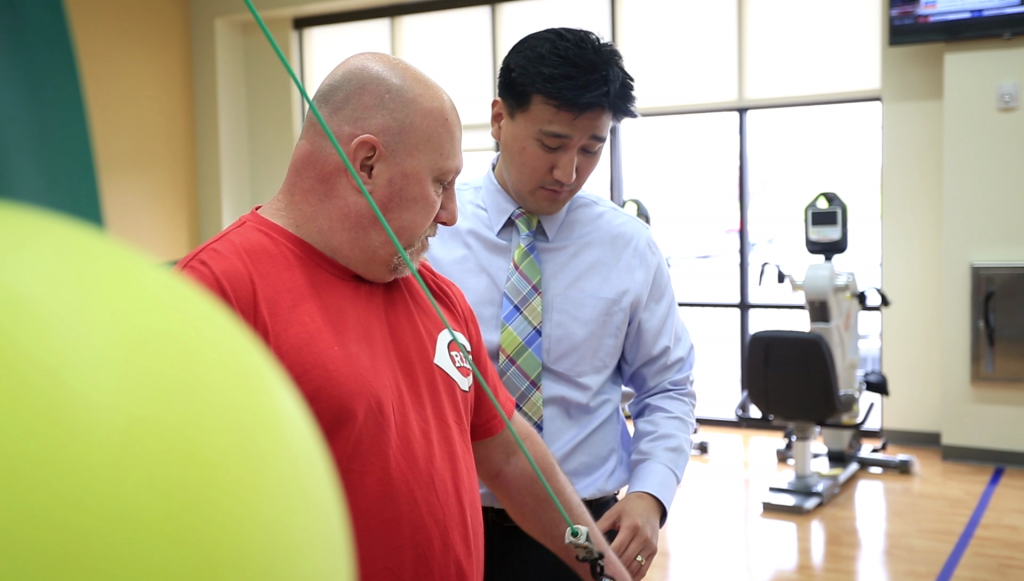
It’s true that certain pain medications can be addictive or cause other side effects such as nausea or constipation, but avoiding medications altogether is dangerous. Your doctor’s goal is to get you off meds as quickly as possible, but not before your pain is at a manageable level. If you’re in pain, odds are you won’t want to eat or move around much. Both of these are crucial to your recovery, and the lack of sleep or food will make it harder for your body to heal.
Don’t do too much too soon.
Even though getting up and moving around as soon as possible is important, you should also listen to your body and rest when you need to. For example, if you got hurt jumping, avoid that motion until you’re healed and can build strength back up. Listen to what your doctor says and don’t push yourself.
This also includes going back to work and driving too early. Many people try to keep working from home right after surgery, which is bad for both your physical and mental health. Your body needs to focus on recovering, and the pressure of working while not back to 100% functionality could cause you to make poor work choices. The same goes for driving: your reaction time may be slowed, raising your chance of getting in an accident.
Go to rehab/physical therapy.
Working with a physical therapist is one of the safest, most effective ways to speed up your recovery. While you may think you can get through recovery on your own, you could be doing something that is actually hindering your healing. For some surgeries, a few sessions may be all it takes to get you on the right path to success. However, major surgeries may require weeks of physical therapy to ensure you build your strength back up.
Think ahead to recovery at home.
Make sure your pantry is stocked with at least a few days’ worth of meals before you go into the hospital for surgery. If you have stairs in your home and won’t be able to climb up and down them, set up a makeshift bedroom on your lower floor. Ask your doctor for an estimated recovery time so you can know how much preparation you should do. You may need to rent specific equipment to make living at home easier until your full mobility returns. Some simple planning can make all the difference!
While all of these tips are important, reach out to your doctor to ask what else you can do to ensure recovery goes smoothly. If you have an upcoming surgery at Beacon, read why you shouldn’t eat before surgery here! If you’re interested in scheduling an appointment at Beacon, click here or contact us today.
Is Cracking Your Knuckles Bad for Your Joints?
December 3, 2019
We’ve all heard the myth that cracking your knuckles will give you arthritis. You most likely heard it from a disgruntled teacher or parent who was annoyed at you cracking every knuckle one by one. However, you can rest assured that cracking your knuckles a lot as a kid (or an adult) will not result in arthritis. In fact, they are completely unrelated.
The popping noise you hear is nitrogen bubbles escaping from the synovial fluid, the lubricant that reduces friction and preserves cartilage in our joints. Some people experience more of a buildup of nitrogen than others, which is why some crack their knuckles multiple times a day
and others don’t or can’t. So, you’re not ruining your joints if you can’t help but satisfy that urge.
Why Do People Crack Their Knuckles?
People crack their knuckles for a variety of reasons, including:
- The sound
- The feeling
- Nervousness
- Stress
- Habit
Tips to Stop Cracking Your Knuckles
Do you want to stop cracking your knuckles? Below are some tips to help you kick the habit!
- Find out why you’re cracking your knuckles. Is it stress? Boredom? Address the underlying feelings that are causing you to fall into this habit.
- Practice deep breathing or meditation whenever you want to crack your knuckles.
- Get something else to occupy your hands. This could be something as simple as a pen, stress ball, or something else you like the feel of.
- Be vigilant with yourself and consciously stop whenever you feel the urge.
Should You See A Doctor?
While most don’t need to see a doctor for cracking their knuckles, you may need to if you begin experiencing pain or swelling. This could be a sign of a pulled tendon or a damaged joint. If you’re experiencing pain, make an appointment at Beacon Orthopaedics and be seen by a specialist without a referral!
Back Pain
November 26, 2019
If you work in an office, odds are you’ve experienced some uncomfortable days sitting at your desk. In fact, back pain is one of the most common reasons people miss work. If you’ve experienced back pain, including muscle aches, pain that radiates through your back, shooting or stabbing pain, or just a general uncomfortable feeling, you’re not alone.
Most of the time, back pain can be treated at home with rest and proper posture. However, there are some cases where these easy fixes don’t do the trick. If your back pain falls into any of the following categories, see a doctor immediately as it could be a sign of a serious injury:
- Back pain following an injury, such as a fall
- No improvement after rest
- Spreads to your limbs
- Causes weakness
- Causes numbness or tingling in the back, arms, or legs
Causes of Back Pain
- Muscle strain from lifting heavy objects or repeated movements
- Bulging or ruptured discs
- Osteoarthritis that affects the lower back
- Spinal stenosis, a condition caused by arthritis that leads to the narrowing of the space around the spinal cord
- Scoliosis, a condition in which your spine curves to the side
- Osteoporosis
Prevention Methods
Not all back pain requires surgery or physical therapy to fix. Sometimes, a few simple at-home methods can help ease your back pain immensely.
- Increase back strength through low-impact exercises such as walking or swimming. Strengthening your core will also help condition your muscles to hold the proper position.
- Stretch your back, hips, and upper legs consistently in order to decrease muscle strain.
- Maintain a healthy weight for your body type. Being overweight can put unnecessary strain on your back and legs, occasionally leading to discomfort.
- Don’t slouch! Stand and sit with proper posture and good support.
If you’re experiencing back pain that’s not going away, book an appointment to meet with a spine specialist today. Or, stop in our Urgent Care Center and skip the line at the emergency room. Contact us for more information!
Why Do You Wake Up with A Headache?
November 21, 2019
Have you ever woken up with a headache? Many people do at some point in their lives, and often it isn’t indicative of anything seriously wrong. In this article, we’ll go over some of the reasons you may be waking up in the morning with a headache and when you should see a doctor.
Insomnia
.jpg)
Insomnia causes sleep deprivation which can result in headaches. Depending on the severity of your insomnia, you may need to see a doctor. It can be treated with medications, therapy, or a combination of the two.
Snoring or Sleep Apnea
Headaches associated with snoring or sleep apnea usually go away within the first thirty minutes of waking up. However, if you think you may have sleep apnea, talk to your doctor about treatment options. This serious condition is treatable but may worsen over time.
Grinding Your Teeth
When you grind your teeth in your sleep, you may wake up with a dull throbbing in your temples. While it is usually associated with stress, the immediate problem may be treated with a mouth guard.
Muscle Strain
Your sleeping position may be the cause of your headache! Depending on the position of your head and neck, you could be unknowingly causing strain. Try sleeping in a different position for a few nights to see if this is the issue.
When to See A Doctor
Fortunately, most morning headaches are nothing to be concerned about. However, if you experience any of the following, talk to your doctor as soon as possible:
- Two or more headaches in the same week
- Recurring headaches in patients over the age of 50, especially if you have not experienced them before
- A sudden or severe headache accompanied by a stiff neck
- A headache that occurs after a head injury
- A headache accompanied by fever, nausea, or vomiting
- A headache with confusion, weakness, double vision, or loss of consciousness
- A headache that suddenly changes in pattern or severity
- Sudden chronic headaches in children
- Headaches with weakness or loss of sensation in a part of the body
If you think your morning headaches may be due to an orthopedic issue, contact Beacon today! Our specialists will be happy to help get you back to pain-free mornings.
Why Shouldn’t You Eat Before Surgery?
November 19, 2019
If you’ve had surgery before, you were probably told not to eat or drink anything for a specified amount of time beforehand. There are several reasons for this, but many people don’t know why it’s so important.
.jpg)
When you’re under general anesthetic, your body’s natural reflexes are put on hold. Because of this, there is a greater risk of vomiting if your stomach has food in it. You could also regurgitate the food and have it come up the throat but not out the mouth. If either of these situations occur, food and stomach acid could get into your lungs and affect your breathing. It could also damage your lungs and lead to aspiration.
Aspirated food can lead to a lung infection called aspiration pneumonia. This is caused by inhaling foreign material. It can be treated with antibiotics or steroids like other types of pneumonia. However, avoiding eating before surgery can help keep this condition from occurring.
Postoperative nausea and vomiting (PONV) could also occur if you eat before surgery. This is one of the most common complications people experience after surgery and normally occurs if food is in the stomach while the body is under anesthesia. While it can be treated with anti-nausea medication, it’s far easier to prevent by fasting before surgery.
Any time you go under general anesthesia, be sure to listen to your doctor and follow their instructions. If you have questions about why you should or should not do something, ask! They will be happy to explain anything you don’t understand.
If you have an upcoming surgery, check out our other blog all about surgery tips! If your surgery is at Beacon Orthopaedics and you have more questions, contact us today for more information.
Osgood-Schlatter Disease
November 13, 2019
Has your child been complaining of knee pain recently? Is there a bony bump beneath their knee that is causing significant pain? It may be Osgood-Schlatter Disease. Common in active adolescents, this condition is caused by an inflammation of the growth plate due to overuse.
What is Osgood-Schlatter Disease?
.jpg)
Osgood-Schlatter disease causes a painful, bony bump on the shinbone right below the knee. It occurs in children and adolescents experiencing growth spurts during puberty. Some growth plates have tendons attached to them, and if a child is very active, the tendon that attaches below the knee can become inflamed. This causes the painful, bony bump.
Who gets it?
Student athletes are more likely to get Osgood-Schlatter Disease, especially young adolescents who are experiencing a growth spurt. When you experience a growth spurt, your bones, muscles, tendons, and other internal structures change rapidly. Since physical activity puts a lot of stress on bones and muscles, children who participate in athletics (especially running and jumping sports) are at an increased risk for this condition. However, less active adolescents may also experience this problem.
How is it treated?
Treatment primarily focuses on reducing the pain and swelling caused by this condition. It usually requires limiting exercise activity until your child can enjoy activity without discomfort or significant pain. Sometimes, rest from activity is required for a few months, followed by a strengthening and conditioning program. However, if your child or teen does not have a large amount of pain or a limp, it may be safe to continue participating in sports.
If you think your child may have this condition, contact us. Our orthopedic specialists can help get your budding athlete back to their sport as quickly as possible. Schedule an appointment today!
Back to the Mat (Again)
November 8, 2019
 Injuries are not a foreign concept to athletes. No matter the sport, almost every participant experiences some sort of injury in their lifetime. Competitive cheerleader Jess Voge is no different. By the time she was 14, she had already experienced more than her share of working towards recovery. Because of her resilience and dedication to her sport, she was able to come back to the mat twice and continue doing what she loves.
At age 12, Jess was diagnosed with acute myeloid leukemia (AML). AML is an aggressive form of leukemia that begins in the bone marrow and spreads very quickly throughout the body. After chemotherapy she was successful in achieving remission, but that also came with loss of muscle, strength, and weakened joints. After all this, she was able to build her skills back up when her treatment was over. It was hard work, but with her determination she was able to go back to doing what she loves.
In late 2018, Jess experienced another setback to her sport. During a tumbling pass, she landed on her shoulder incorrectly. “I remember thinking she’s not okay but remained calm,” her mother, Joellyn, says. “Jess has a high pain tolerance from all she had faced with cancer treatments, so she was calm too. Concerned but calm.” They went straight to Beacon Urgent Care after one of her coaches suggested Beacon over a standard emergency room.
At Beacon, an x-ray was performed on Jess’ shoulder. They discovered that she had fractured her humeral, the long arm bone above the elbow. After the x-ray, the urgent care specialists got in touch with Dr. Mohab Foad, an orthopaedic surgeon specializing in the treatment of hand and upper extremity disorders. He wanted to see her immediately the next morning.
The next day, Joellyn and Jess went in to meet Dr. Foad. “Dr. Foad was the perfect fit for Jess, he really gave her a lot of time, information, and care,” Joellyn says. “He saw what she had already been through and how much it meant to her to be normal and feel normal in her sport. He was the best!”

After determining what the best course of action would be for treatment, Dr. Foad performed surgery on Jess’ fracture. She had three pins put in for her humeral repair and was expected to be out of her sport for about 6 weeks.
Like many recoveries, Jess’ was not easy. “My treatment and recovery were painful at first, but I followed what Dr. Foad suggested as far as when movement could start and slowly kept myself moving forward away from the surgery,” Jess says. Throughout her recovery, she attended every practice her team had even though she could not participate. She returned to the practice mat in early January and was able to compete on January 11 for the first time since her surgery. Her team came in first place at the event and won their bid to The Cheerleading Summit at Disney in May.
Today, Jess is a freshman at Little Miami High School where she is a member of the Varsity Cheer squad. She is also a competitive cheerleader at Midwest Cheer Elite where she is a member of the Femme Feline- Large All Girl Level 6 team. “I am proud to say that I have overcome not one obstacle in my sport but two big ones and am thankful I had a surgeon like Dr. Foad to help me return after fracturing my humeral. Beacon was great for me.”
Urgent Care Cincinnati
November 4, 2019
There are quite a few urgent care centers in the Cincinnati Area. When disaster strikes and you need urgent care services, do you know where to go for the best and quickest care? If you experience a sprain, strain, break, tear, or any other orthopedic injury, Beacon Orthopaedics & Sports Medicine can help treat you quickly and effectively.
Our Anderson – Beechmont, Crestview Hills, Erlanger, Fort Thomas, Kenwood, and Summit Woods (Sharonville) Orthopedic Urgent Cares are open and available (hours vary by location, see hours of operation below).
If you don’t need immediate assistance, you can schedule an appointment with our clinic online or by phone with our 24/7 call center at (513) 354-3700. Same-day or next-day appointment are available at one of Beacon’s 20+ locations!
What makes Beacon Urgent Care the best in Cincinnati?
Imagine this: you’re watching your child at soccer practice when you see them trip and fall, catching themselves on their arm. You know almost immediately that something is wrong, and the coach confirms: they think your child has a broken wrist. Do you know where to go?
The emergency room may be the first place you think of going. While the ER is the best place to go for health emergencies like heart attacks or illnesses, you could spend a prolonged amount of time waiting to be seen. In fact, the average wait time for a standard hospital emergency room is 30 minutes. While this may not seem like a long time, remember that spending half an hour in pain before even seeing a physician can seem like an eternity. Also, the 30-minute estimate is exactly that: an estimate. Some patients spend hours waiting to see a physician who can help ease their pain and fix whatever is going on.
.jpg)
Don’t spend an unknown amount of time waiting in pain. Beacon Urgent Care is the premier place to go for all orthopedic injuries. Our
specialists are ready to provide a diagnosis and treatment plan the day you come in. You can avoid the long waits and high costs of an emergency room visit while enjoying the convenience of expedient care by an orthopedic specialist.
We are capable of treating a wide variety of orthopedic injuries. These may include:
- Sprains and Strains
- Dislocations
- Fractures
- Concussions
We can also treat other orthopedic injuries to your spine, muscles, tendons, and joints including elbow, knee, foot and ankle, hand and wrist, hip, back and neck, and sports injuries.
Unlike an emergency room, our clinic is only staffed by fellowship-trained physicians, licensed physician assistants, and nurse practitioners. These specialists have completed years of training centered on a specific category of orthopedics, which allows them to provide a higher level of care than a general physician, PA, or NP. Emergency rooms are not usually staffed by specialists. At Beacon, we only staff with the best physicians in the Northern Kentucky/Cincinnati area.
Beacon’s Cincinnati Urgent Care vs. Emergency Room Cost
Along with the pain of an injury, an emergency room trip also costs a lot of money. Without health insurance, the average cost of an emergency room visit for an orthopedic injury can be anywhere from $900-$1,500. And that’s just getting there and getting a referral! At the Beacon Orthopaedic walk-in clinic, you can expect prices around one sixth of that cost. And you’ll be seeing a specialist right away!
Beacon Orthopaedics: Your Cincinnati Urgent Care Choice
When you experience an orthopedic injury, you need to get it addressed as soon as possible. The sooner the proper therapies are applied, the sooner you can recover and return to your pre-injury lifestyle. While this is especially important for high school, college, and professional athletes who want to return to their highest level of performance, it is also important for those who experience a problem resulting from the workplace or everyday activity. And while you can’t predict when you’ll need orthopedic care, you can have a plan for when you do.
If you need orthopedic urgent care in Cincinnati or Northern Kentucky, Beacon Orthopaedics is the place to go. Learn more about our hours or contact us today! If you don’t need immediate assistance, you can schedule an appointment online or by phone at (513) 354-3700. Beacon has same-day or next-day appointments available!
Hours of Operation
Beacon Anderson – Beechmont
Orthopedic Urgent Care Hours at Anderson:
Monday through Friday: 8am-5pm
Saturday: 8am-10am
Closed Sundays
Beacon Crestview Hills (Walk-In Clinic)
Orthopedic Walk-In Care Hours at Crestview Hills:
Monday through Thursday: 8am-5pm
Friday: 9am-5am
Closed Saturdays & Sundays
Beacon Erlanger
Orthopedic Urgent Care Hours at Erlanger:
Monday through Thursday: 8am-5pm
Friday: 8am-4pm
Saturday: 8am-11am
Closed Sundays
Beacon Fort Thomas (Walk-In Clinic)
Orthopedic Walk-In Care Hours at Fort Thomas:
Monday through Friday: 8am-4pm
Closed Saturdays & Sundays
Beacon Kenwood
Orthopedic Urgent Care Hours at Kenwood:
Monday through Thursday: 8am-12pm & 1pm-4pm
Friday: 1pm-4pm
Closed Saturdays & Sundays
Beacon Summit Woods (Sharonville)
Orthopedic Urgent Care Hours at Summit Woods in Sharonville:
Monday through Thursday: 8am-5pm
Friday: 8am-4pm
Saturday: 8am-11am
Closed Sundays
Featured Physician: Dr. Steve Hamilton
October 28, 2019
Steve Hamilton, M.D. is a Cincinnati native and proud LaSalle High School alumnus. He stayed local and attended the University of Cincinnati College of Medicine. Upon graduation, he completed his residency in Orthopaedic Surgery at Emory University in Atlanta, GA. He then fulfilled a one-year fellowship at Steadman-Hawkins Clinic of the Carolinas in sports medicine and shoulder reconstruction. Enjoy getting to know Dr. Hamilton!
What is your specialty?
Sports medicine including arthroscopy of the shoulder, hip, knee, and ankle, as well as treatment of athletic foot and ankle injuries. I also specialize in fracture treatment.
What attracted you to your specialty?
Orthopaedic surgery, particularly sports medicine, helps patients from athletes to weekend warriors stay in the game. We improve patients’ lives by allowing them to pursue their passions and remain active.
What made you want to work at Beacon Orthopaedics?
Bob Burger and Rob Rolf served as mentors and advisors during my training. Their advice and guidance were instrumental to my training. When the opportunity was available to join them at Beacon, I jumped at the opportunity.
Do you have any advice for young people who want to be doctors when they grow up?
It’s a long road, but worth the hard work and sacrifice. One of the greatest gifts in life is being passionate about your work and making a difference in your community.
Fun facts about Dr. Hamilton:
If you were a pair of shoes, what would you be? Jordan 3 Tinker edition!
If you could only eat one food for the rest of your life, what would it be? Probably Currito.
What’s your favorite comfort food? Lowcountry specialties: pimento cheese, shrimp, grits, fried green tomatoes.
Learn more about Dr. Hamilton on our website. If you want to schedule an appointment, click here!
8 Trick-Or-Treating Safety Tips
October 14, 2019
Halloween is one of the most exciting nights of the year for most children. However, it can also be one of the most dangerous. While injuries on Halloween have become less common over the years, it never hurts to brush up on some basic safety tips to keep them top of mind and teach your children.

- A parent or other trusted adult should always be with young children. If your children are old enough to trick-or-treat alone, make sure they are with a group and have a phone for quick communication.
- Stay on well-lit streets and agree on the path they will go on beforehand.
- Never cut across yards, especially if it’s dark out. The ground may be uneven or have debris that can cause tripping or twisted ankles.
- Only cross the street at established crosswalks and don’t assume right of way. If it’s dark, the driver may not see people crossing!
- Avoid dark costumes without any reflective or bright part. Cars may not be able to see someone dressed in dark clothing when it’s dark outside.
- Do not purchase props (wigs, swords, canes, etc.) that could block vision, get in the way, or otherwise harm people.
- Send children with a flashlight that you’ve tested beforehand. Even if you say to be home before sunset, equip children with the tools to make it home safely if they lose track of time.
- Choose non-flammable costume pieces. Jack-o-lanterns, bonfires, and other flames may be around your children. Ensure they are wearing flame-resistant clothing, especially if they have long skirts or capes.
Happy Halloween from Beacon Orthopaedics! If you’re in need of orthopaedic services, we accept new patients without a referral! Or, stop into our Urgent Care during our hours of operation and see a specialist without the long line of an emergency room!
Proven Treatments for Hammertoe
October 14, 2019
Achieving full foot function without surgery is possible.
The foot is a complex structure made up of 26 bones and 33 joints. All of these bones and joints absorb the full impact of our weight every time we take a step. For someone with healthy bones and joints in their feet, this impact goes unnoticed, a mindless task like breathing. But for folks with a bone or joint injury or condition, each step can be painful and limit their daily life.
What is Hammertoe?
One common orthopaedic condition in the foot is hammertoe. Hammertoe develops when ligaments and tendons contract instead of functioning correctly. This creates the appearance of a bump or hump on the joint. It is most common in the second toe, also called the “long toe,” but may present in the proximal, or “pinky toe,” in some cases.
Similar conditions of clawtoe and mallet toe also present from weakened muscles causing ligaments to contract. Clawtoe means your digit is bent in the middle and at the end. Mallet toe refers to a deformity at the end of the toe. Each condition can be diagnosed and treated by a fellowship trained orthopaedic foot and ankle surgeon.
When performing the diagnosis, your orthopaedic foot and ankle specialist will also categorize your hammertoe using the terms rigid, semi-rigid, or flexible. Conditions with less flexibility cause more pain. Surgical intervention is a fast and proven way to return your foot to normal function, but there are non-surgical treatment options available that work for contracted ligaments. The non-surgical methods are especially effective for patients in the flexible category, which is why it’s important to see a specialist sooner rather than later.
Proven Treatments for Hammertoe
The two primary goals of treatment are to 1) stretch the ligaments to their intended position and 2) strengthen the muscles supporting the joint. In some cases, surgery is required to correct the ligaments and muscles, but if addressed early hammertoe can be treated through one or a combination of ways:
- Using a splint to straighten the toe and stretch the tendons
- Performing therapeutic exercises to relax and stretch the tendons
- Physical therapy to strengthen the muscles around the joint
- Wearing properly fitted shoes and avoiding restrictive or high-heeled shoes
- Using fitted shoe inserts, cushions, or straps to relieve pressure
How to Reduce Your Risk of Hammertoe
Although the biggest risk factor is your genetics, there are a few things we can do to reduce our likelihood of developing hammertoe, clawtoe, and mallet toe.
- Exercise your toes – talk to a physical therapist or foot and ankle doctor for recommendations
- Wear shoes with larger toe boxes and avoid tight, ill-fitting footwear – try not to compress your toes
- Look for good arch support – high arches and low arches can both lead to toe deformities
If you start to notice any toe or foot deformity, talk to a foot and ankle specialist with orthopaedic training. This will ensure that they look at your foot function related to the rest of your joints and can recommend the best treatment for you.
Stop Suffering from Hammertoe
Hammertoe is easy to treat. Stop suffering through toe and foot pain; take the next step toward walking pain-free. Scheduling your appointment with a fellowship trained, board certified orthopaedic foot and ankle specialist is a great place to start. With appointment availability Monday through Saturday, you can see the right physician when it fits your schedule. Contact Beacon Orthopaedics by phone 24/7 at 513-354-3700 or schedule online at your convenience at beaconortho.com.
What is Hip Arthritis?
October 14, 2019
As our bodies age, we become increasingly at risk for degenerative joint conditions. Fortunately, arthritis of the hip can be diagnosed and treated by an expert orthopaedic specialist.
Hip arthritis is a degenerative condition where the cartilage shield protecting the ball-and-socket joint begins to wear out. This results in inflammation, limited range of motion, and pain or discomfort with everyday activities. Since arthritis is one of the most common hip conditions, it is important to understand the causes, symptoms, and effective treatment options.
There are three main types of hip arthritis:
- Osteoarthritis
- Rheumatoid arthritis
- Ankylosing spondylitis
The most common one of these three conditions is osteoarthritis, which impacts our bodies more as we age. Those most affected are adults over age 50, but it can present in younger patients, often those who have experienced a traumatic hip injury. Genetic predisposition is a leading risk factor, but weight and nutritional habits have an impact as well. If you have had a hip injury in the past, it is recommended to see an orthopaedic hip specialist periodically to monitor your risk of developing arthritis.
Symptoms of Hip Arthritis
Since hip arthritis is a degenerative condition, symptoms will continue to worsen until they are addressed. The severity of symptoms may change week-to-week or season-to-season, but if left unaddressed, the cartilage will continue to deteriorate.
Patients with arthritis of the hip joint often report these symptoms, but this is not a comprehensive list:
- Hip pain and/or discomfort
- Limited range of motion
- Joint stiffness or tightness
- Knee and/or lower back pain
Treatments for Hip Arthritis
If you are experiencing symptoms in line with hip arthritis, you should see an orthopaedic hip specialist. After a review of your medical history, physical exam, and diagnostic imaging (x-ray and in some cases an MRI), your specialist will recommend a treatment plan suited for your specific situation.
There is a common misconception that a total hip replacement is the only solution for hip arthritis. This is an effective solution if the degeneration has been left untreated for years, but if it is addressed early, anti-inflammatories, physical therapy, and injections can provide many patients relief.
The most common treatments include one or more of the following, but your orthopaedic specialist will have a personalized plan that best fits your condition, lifestyle, and goals:
- Nutritional intentionality: consuming fewer inflammatory foods and more nutrients that fight or prevent joint inflammation. In some cases, this may include dietary supplements.
- Exercise variations: reducing the impact on your joints through activity modification is a great way to protect your hip joint. Low impact exercises are recommended to reduce stress on the joints. If weight loss is an important part of treatment, your doctor will discuss the best way to increase your activity level without causing joint damage.
- Physical therapy: this will help strengthen the support muscles for your hip and may offload some of the burden from the joint.
- Anti-inflammatories: prescription and over-the-counter anti-inflammatory medications (NSAIDs) can help reduce arthritic joint inflammation and limit future damage.
- Injections or ortho-biologics can help provide the right nutrients and healing factors to your hip joint. Injections are most effective when used early in treatment before the cartilage deterioration gets severe.
- Minimally invasive total or partial hip replacement: with an anterior approach, outpatient hip replacement, your surgeon will replace the top or part of your femur (the “ball” of the ball-and-socket joint) with artificial joint components. The diseased tissue and bone is removed, preventing further degeneration. Since the procedure is performed in an outpatient setting, most patients can return home within 24-hours and begin weight-bearing physical therapy the next day.
Want to know more about hip arthritis?
If you or someone you love is suffering from hip pain, schedule an appointment with one of the orthopaedic hip specialists at Beacon Orthopaedics and Sports Medicine. Your doctor will provide a full analysis and accurate diagnosis to ensure that the problem is properly addressed with a personalized treatment plan. With appointment availability Monday through Saturday, you can see a specialist when it fits your schedule—without a primary care referral! Contact Beacon Orthopaedics by phone 24/7 at 513-354-3700 or schedule online at your convenience at beaconortho.com.
Featured Physician: Dr. Michael Planalp
September 30, 2019
Michael Planalp, M.D. is a board eligible Orthopaedic surgeon and fellowship trained spine surgeon. He is originally from Cincinnati, graduating from Wyoming High School before attending the University of Notre Dame. He subsequently studied medicine at the University of Cincinnati College of Medicine. He completed a residency in orthopaedic surgery at William Beaumont in Detroit and obtained fellowship certification at the Twin Cities Spine Center in Minneapolis, Minnesota.

Michael and his wife Caitlin McCarthy, a local Obstetrician and Gynecologist, share many interests. They enjoy attending sporting events throughout the Cincinnati area, cooking together, and exploring much of what the tri-state area has to offer. Enjoy getting to know Dr. Planalp!
What is your specialty?
I specialize in orthopaedic surgery with a sub specialization in spine surgery.
What attracted you to your specialty?
I’ve always found anatomy to be very interesting, and I enjoy the challenge of helping people suffering from musculoskeletal problems.
Do you have a favorite/most memorable case you’ve worked on? If so, can you describe that experience?
I don’t have a single case that stands out, but I love helping people and being able to see huge improvements in my patients both physically and emotionally after surgery.
What made you want to work at Beacon Orthopaedics?
I really enjoy the camaraderie and commitment to excellence of the physicians and staff. The people I work with make Beacon a world-class place to work and be treated.
Do you have any advice for young people who want to be doctors when they grow up?
My advice is to work hard, but never lose your compassion for your patients.
Fun Facts About Dr. Planalp
What is your signature dance move? The Planalp shuffle. Check out Beacon’s social media (Facebook, Instagram, and Twitter) for a demonstration!
If you were a pair of shoes, what would you be? Casual leather sneakers, good in any situation.
If you could only eat one food for the rest of your life, what would it be? Pizza.
What’s your favorite comfort food? Macaroni and cheese.
Back on the Field
September 27, 2019
Turning A Potentially Devastating Diagnosis into a Success Story
Growing up, Jaden Bode had always had knee pain. Doctors told his mother Jamie that they were just growing pains, so though the pain continued, they didn’t worry about it too much. However, in September of 2018, they found that the pain he’d had growing up was much more than just growing pains.
Jaden, an Oak Hills High School football player, took a helmet to his left knee during a game. Though there was some pain and he was having trouble bending it, it was not excruciating. His first thought was not, “I need to go to the Emergency Room.” Rather, he saw the Oak Hills High School trainer every day for a week after. When his symptoms didn’t improve, the trainer referred him to Beacon.
The Diagnosis
Jaden’s first appointment with Dr. David Argo was not what he was expecting. He was diagnosed with Osteochondritis Dissecans, a joint condition in which the bone underneath the cartilage dies due to lack of blood flow getting to the joint. “We were devastated when he was first diagnosed with Osteochondritis Dissecans. It was extremely hard watching our normally very active son sidelined with his condition,” Jamie says.
However, after their first meeting with Dr. Argo, both she and Jaden felt better. “I felt comfortable and trusted him knowing he was one of the few doctors in the whole country that treated this condition. He knew what he was talking about!” Jaden says.
After an arthroscopy, they found out the extent of his condition: the entire weight bearing part of his left knee was dead. Jaden felt devastated again and wondered if he would ever return to his previous “normal.”
Treatment Options
Mild cases of Osteochondritis Dissecans can be treated with physical therapy and rest. These more conservative options are usually explored first before surgery is discussed. Surgery is only discussed if there is a great need for it, such as if the bone has stopped growing or if there is a piece of bone that has broken off. In Jaden’s case, Dr. Argo believed that waiting for a donor bone to replace the damaged one was the best option.
Waiting for A Donor
While each case varies by conditions such as age and diagnosis, waiting for a donor can take months. From the start, Dr. Argo was vigilantly waiting for the best donor for Jaden. Bones that will fit a 16-year-old, 6’4” football player are few and far between. The family knew that waiting for a bone, going through recovery, and completing physical therapy could take nine months or longer.
While waiting for a donor, the reality of what this diagnosis meant set in. Jaden was in his sophomore year of school, arguably one of the most important year for high school football. While he should have been working his hardest and getting scouted for college, he was sat on the sidelines waiting for a bone donor. They were nervous he wouldn’t recover by June 2019, the time he was supposed to go to college football camps.
Surgery
In December of 2018 the family got the call they had been hoping for: Dr. Argo had found a donor bone that would work for Jaden! This call brought about another round of emotions ranging from hopeful to terrified. The surgery itself was very detailed, and if something went wrong, Jaden may never play football again. Up until that phone call, they hadn’t realized that waiting for a donor meant
waiting for another family to lose “their Jaden.” It was a heartbreaking realization, but they were grateful for the decision of the other person to donate part of their body to help their son.

The surgery went well, but Jaden was in excruciating pain for three days after. As with any major surgery, the recovery process was lengthy and quite painful at times. However, by day four he was ready to begin physical therapy and get back on his feet. At his follow-up with Dr. Argo, Jaden and Jamie were able to see pictures of his knee during and after surgery. “That bone fit like a glove in Jaden’s knee. We couldn’t have been happier with his work on our son,” Jamie says.
Post-Surgery Success
Today, Jaden is playing varsity football at Oak Hills High School pain free. He has also received a letter informing him that he is a priority prospect for the 2021 recruiting class at a local university. “Dr. Argo is an inspiration and has me thinking of becoming an Orthopedic surgeon,” he says. “Dr. Argo and his staff are amazing!”
If you would like to schedule an appointment with Dr. Argo, or any other Beacon physician, click here!
Steelers Quarterback Injures Elbow
September 27, 2019
Elbow injuries are common among athletes of almost all sports, from baseball to tennis and everything in between. The same can be said for Steelers quarterback Ben Roethlisberger who, as of Monday, September 16, is out for the remainder of the season due to an elbow injury.

According to ESPN.com, “Roethlisberger had complained of arm soreness coming off the Week 1 loss at New England, multiple teammates said Monday. One Steeler told ESPN that he texted Roethlisberger on Sunday night and the quarterback responded that the injury outlook was ‘not good.’” While Roethlisberger and the Steelers have not explained what the injury is, it’s clear that the damage is severe enough to take months to recover from. The fact that the surgery is occurring in this throwing elbow makes it all the more important that he make a speedy recovery.
Also from ESPN, “Roethlisberger, 37, is the Steelers’ franchise leader in passing yards and touchdowns and has led Pittsburgh to two Super Bowl titles. He led the NFL with 5,129 passing yards last season and signed a contract extension this past March that runs through the 2021 season.” As a vital member of the Steelers, they are hopeful he will return next season and lead them to more victories.
Similarities have been drawn between Roethlisberger’s injuries and former San Francisco 49ers quarterback Joe Montana. Montana’s Hall of Fame career was put on hold when he underwent elbow surgery in 1991 for tearing his pronator off the bone after trying to heal via non-surgical methods. He returned to football in 1992 and completed his career with Kansas City Chiefs.
Common Football Elbow Injuries
While it is still unclear what Roethlisberger’s injury is, there are several possibilities as to what it could be. These include:
Flexor Tendinitis
Tendinitis is the inflammation or irritation of a tendon. Overuse of the flexor tendon due to motions such as repetitive throwing can result in pain during movement. If the tendinitis is severe, the pain will continue even while the arm is not in use.
Ulnar Collateral Ligament Injury
The UCL is the most commonly injured ligament in throwing athletes. These injuries can range anywhere from mild inflammation to a complete tear of the ligament. In the case of a tear, surgery is required to fix it.
Valgus Extension Overload
Also known as VEO, this injury occurs when olecranon and humerus bones are twisted and forced against each other. The result is a condition in which the protective cartilage on the olecranon is worn away and abnormal bone growth develops. These growths are called bone spurs or osteophytes.
Olecranon Stress Fracture
Stress fractures occur when a part of the body suffers extreme overuse, causing a tiny break in the bone. An olecranon stress fracture is when the bony tip of the elbow is fractured due to stress. Most cases can be healed through nonsurgical treatments such as rest and physical therapy. However, if all nonsurgical options have been exhausted and little to no pain relief has occurred, surgery may be necessary.
Ulnar Neuritis
Ulnar neuritis, also known as cubital tunnel syndrome, is an inflammation of the ulnar nerve that results in weakness or numbness in the hand. It is commonly thought of as the “funny bone” and contributes to weakness in the little and ring fingers. Caused by activities that place constant pressure against the ulnar nerve at the elbow or wrist (such as repetitive motions), ulnar neuritis can affect the muscles that help give you a strong grip.
If you are an athlete and experiencing elbow pain, come to Beacon Orthopaedics & Sports Medicine. We are experts in finding the best course of treatment and getting you back on the field as soon as possible. Schedule an appointment today!
Sprain vs Strain – What’s the Difference?
September 23, 2019
The terms “sprain” and “strain” are often used synonymously. However, they are not the same thing. They may have similar symptoms but involve different parts of the body and different treatment options.

What Is a Sprain?
A sprain is a stretch or tear of the ligaments that connect bones together in your joints. Most commonly, this injury occurs in the ankles or wrists. Many athletes experience sprains during their careers, and they often don’t require surgery to fix. Rest and sometimes physical therapy are usually enough to heal the injury. However, for severe sprains surgery may be the only way to ensure a correct and rapid healing process.
Symptoms of Sprains
Since sprains happen within or around the joints, the most common symptom is pain around the affected area. Other symptoms include:
- Bruising
- Swelling
- Limited flexibility
- Difficulty moving the joint
- A popping sensation during injury
What Is a Strain?
Similar to a sprain, a strain is a stretch or tear to the muscles or the tissue that connects muscles to bone. Causes for sprains can be fatigue, poor equipment (if playing a sport), or unsafe environmental conditions.
Symptoms of Strains
The most common symptom of a muscle strain is a sudden onset of pain and soreness. Muscle spasms are also very common indicator that you have strained your muscle. Other symptoms include:
- Limited range of movement
- Bruising or discoloration
- Swelling
- A “knotted-up” feeling
- Stiffness
- Weakness
If you think you may be suffering from a sprain or strain, make an appointment at Beacon Orthopaedics & Sports Medicine and be seen by a specialist. Or, come to one of our Urgent Care locations and be seen by an orthopaedic physician without an appointment!
Beacon Doctor Shines in Dancing with the Stars
September 20, 2019
Since 1996, Beacon Orthopaedics & Sports Medicine has been invested in our local communities. Each of our physicians are passionate about involving themselves in events that benefit things that are important to them. This year, Dr. Nicole Goddard has been selected to participate in the historic Murphy Theatre’s Dancing with the Stars! This event has been a staple of the Wilmington community for the past few years, and this year Dr. Goddard is one of ten notable people in the community donating their time and talent to raise money for the Murphy Theatre.
About the Murphy Theatre

The Murphy Theatre in Wilmington, OH has been in operation since 1908. Charles Webb Murphy, a local resident at the time, opened its doors that July and would quickly become the heart of downtown Wilmington. At the time, it played host to vaudeville, movies, graduations, concerts, plays, and even church services. Throughout the years, it has reflected the ebb and flow of small-town America.
In 1985, when the descendants of Charles Murphy chose to sell the theatre, a local group began the ongoing process to save and restore the building. In 1989, this group of passionate people formed a not-for-profit organization whose sole purpose was to restore the theatre and ensure its use for years to come.
Today, the historic Murphy Theatre is still a work in progress. However, it has maintained its place as a true center of the community. It is used as a venue for touring performers, local theater productions, school events, performing arts education, business meetings and weddings. With continuous efforts to restore it and keep it in use, it will continue to be a pillar of the community for years to come.
About the Event
Every year, the Murphy Theatre hosts a fundraising event to help raise money to update certain parts of the theatre. Ten people from the community are selected to perform every year – with a professional partner – and encouraged to help with the fundraising efforts.
 Growing up, Dr. Goddard took ballet, tap, and jazz until age ten. Although she hasn’t danced in several years, she’s looking forward to the challenge. With her busy schedule as a Primary Care Sports Medicine doctor, she plans on squeezing in rehearsals before and after clinic time.
“I’m really excited! I hope it all works out; I have faith it’ll all work out,” she says. “I’m looking forward to getting into rehearsals and starting some fundraising.” As someone who is passionate about staying active and giving back to the community, she hopes to do her best and raise money for a cause she cares deeply about.
If you’d like to vote for Dr. Goddard and donate to the Murphy Theatre, please visit their website here. She is still accepting donations through September 20th!
About Dr. Goddard
At Beacon Orthopaedics, Dr. Goddard treats non-athletes and athletes of all ages who have musculoskeletal injuries. She is Board Certified in Family Medicine with a Certificate of Added Qualification in Sports Medicine. Dr. Goddard sees patients primarily at our Wilmington College Campus location, but also travels to Summit Woods in Sharonville, OH. Having grown up in a rural area, she enjoys the small-town atmosphere of Wilmington, OH. In her spare time, she enjoys yoga and playing golf. To learn more about Dr. Goddard, click here.
Should You Stretch Before Exercising?
September 10, 2019
 A lot of myths about stretching before, during, and after exercise circulate through the athletic community. You may have heard that you shouldn’t stretch before exercise, that you shouldn’t bounce in a stretch for fear of tearing a muscle, or even that if you don’t stretch, you’re putting yourself in danger. While all of these assumptions are incorrect, they don’t answer the question: should you stretch before exercising?
The answer is kind of. Holding a static stretch can weaken performance in sports that require endurance, such as running or dancing. These stretches tire or even strain the muscles, making them work harder during the actual exercise. Holding a static stretch after exercising while still warm can be a good way of increasing flexibility while not tiring the muscles.
Rather than traditional, static stretching, experts suggest warming up via dynamic stretches. These are low-intensity exercises similar to your workouts, such as walking or lunges. Dynamic stretches like these allow your body to warm up slowly and gradually get used to the intensity of the workout. If you warm up before exercising, the chance of injury has been proven to decrease.
While this is a general recommendation, the amount of stretching/flexibility required for each sport varies. For example, runners don’t require a lot of flexibility to successfully perform their sport. In contrast, ballet dancers require a lot of flexibility to be successful. As long as the stretch is not painful, each athlete can adjust the amount of stretching that works for them.
In general, static stretching does not decrease the odds of getting injured. However, dynamic warm-ups before activity have shown the ability to decrease injury risk. For more information on safe exercise practices, please visit our blog to learn more. Or, to schedule an appointment with one of our sports medicine specialists, click here.
Orthopaedic Surgeon FAQs
September 6, 2019
 What is an orthopaedic surgeon?
An orthopaedic surgeon is a doctor who specializes in the prevention, diagnosis, and treatment of musculoskeletal injuries and disorders. They are dedicated to keeping bones, joints, ligaments, tendons, and muscles healthy and functioning properly. An orthopaedic surgeon will almost always explore nonsurgical options first, such as pain medication or rehabilitation. If necessary, they will consider performing a surgery to repair an injury or correct a condition. This is usually a last resort.
Orthopedic surgery is often considered one of the most in-demand, cutting-edge fields within the medical profession. Both surgical and non-surgical expertise is required to treat patients.
What does an orthopaedic surgeon treat?
While some physicians are generalists, meaning they have no specific specialty, others specialize in specific areas of the body. Many choose to specialize their practice to treat specific body parts, conditions, and populations (i.e., athletes, the elderly, children, etc). Surgeons may choose one of the following parts of the body to specialize in:
Orthopaedic doctors can treat trauma, infections, tumors, congenital defects, and degenerative diseases affecting the bones, joints, ligaments, tendons, and nerves that coordinate movement.
Why do people visit orthopaedic surgeons?
The primary reason people visit orthopaedic surgeons is due to musculoskeletal pain. While they do treat broken bones and replace joints, there are many more issues they are able to treat. An orthopaedic surgeon can also treat a number of problems patients may experience. These include:
- Sports Injuries
Many orthopaedic doctors specialize in sports medicine. They have special training to help athletes get back on their feet as quickly and safely as possible. Another common trait of this specialty is injury prevention. - Back Pain, Ruptured Discs, And Spinal Stenosis
Back and spine injuries are often severe and treated with extreme caution. These specialists are experienced in rehabilitation, pain management, and both surgical and non-surgical solutions. - Bone Tumors
Within the realm of tumors, bone tumors are one of the rarer types. They are often caused by the abnormal healing of an injury and may or may not cause pain. Some noncancerous tumors go away by themselves, but in the event of surgery or cancer, these specialists provide careful treatment. - Carpal Tunnel, Hand Arthritis, And Hand Injuries
The hand is unique due to the number of joints, ligaments, tendons, and blood vessels that all have to work together seamlessly. Hand and wrist specialists receive additional training to learn how to be delicate and refined in their surgical practice. Surgery is a last resort, and conditions are often treated with splits, injections, or physical therapy. - Club Foot, Bowlegs, And Hip Dysplasia
From braces to surgery, doctors who specialize in the treatment of the hips, knees, and feet are tasked with helping people get back to moving without pain. If one of these conditions is discovered as a baby, they can usually be treated with braces or harnesses. - Orthopaedic Trauma
Orthopaedic trauma surgeons have to think on their feet and make decisions quickly. They also have to be calm under pressure and understand how a traumatic injury can affect other parts of the body. - Limb Lengthening
This type of surgery is done when someone has a leg length discrepancy. It requires an excess of knowledge of the entire leg, not just a specific joint like the knee or ankle. - Achilles Tendon Injuries, Bunions, And Foot and Ankle Injuries
Foot specialists are tasked with helping you move and walk as comfortably as possible. A lot of physical therapy is required with these injuries, and surgeons must be aware of the amount of work it takes to keep the feet and ankles healthy. - Osteoporosis & Arthritis
Osteoporosis is the weakening of the bone most commonly found in elderly patients. It can be treated by a variety of specialists, and medication is most often prescribed.
When an orthopedic injury occurs because of this condition, specialists must take extra care in treatment. Arthritis can occur in any part of the body. A variety of specialties can treat patients with arthritis. Partial and total joint replacement specialists are able to replace damaged bone with artificial implants to improve joint function and reduce pain.
What is your first visit to an orthopaedic surgeon like?
Meeting with a doctor who specializes in something like orthopaedics can be stressful. Most often, people don’t visit an orthopaedic surgeon unless they are in pain, have a persistent condition that is not getting better, or there has been some sort of trauma. In order to get the most out of your first appointment, make sure to do some research beforehand.
First, ensure that you find a specialist who is an in-network provider with your insurance company. Some insurance policies require a referral from a primary care physician in order to see an orthopaedic specialist. Consult your insurance policy information to determine if you are required to have a referral. Most Beacon physicians do not require a referral; your insurance may request one, however.
Before the appointment, make sure you have a clear understanding of your symptoms. If possible, try to keep a dated journal detailing what you’re feeling from one day to the next. Make note of if your symptoms are recurrent or differ day-by-day. This will help you give the most accurate description of your symptoms.
When discussing symptoms, make sure to be as accurate as possible and honest. Be thorough, and don’t minimize or exaggerate what you’re feeling. The goal of the doctor is to help you feel better.
To schedule an appointment with a Beacon orthopaedic specialist, click here!
7 Tips for a Successful Surgery
September 6, 2019
7 Tips for a Successful Surgery
Do you have an upcoming surgery that’s making you nervous? While you can’t control everything about surgery, there are some things you can do to make it as easy as possible for yourself. Below are 7 tips for a successful surgery!
- Learn as much as you can about your procedure. There’s nothing wrong with trying to be a know-it-all when it comes to your health! Just be sure you’re getting your information from reliable sources.
- Ask your family about their medical conditions and reactions to anesthesia. If your family has a history of blood clots, high blood pressure, or negative reactions to anesthesia, you may be at risk for these as well. At the very least you will be able to communicate that to your care team.
- Tell your doctor about every medication you take including vitamins and supplements. While this may seem obvious, some people don’t tell their doctors about certain medications for a variety of reasons. This can be very dangerous and lead to complications during surgery.
- Line up pre-surgery appointments like physicals, cardiac clearances, etc, so that surgery will not be delayed. And line up caregivers post-surgery. Have a plan for who will drive you home and care for you while you’re recovering.
- Follow pre-surgery directions and diet. If there are certain foods and medications your doctor tells you to limit or avoid, follow those instructions closely to avoid adverse reactions during surgery or recovery.
- Talk to your doctor about your concerns. If you’re nervous about how things will go or what complications may arise, don’t be afraid to ask questions.
- Make a plan for post-op appointments. Know when these appointments are and how you’re getting there. Will you be able to take yourself, or do you need your caregiver to bring you?
If you have questions about an upcoming surgery at Beacon Orthopaedics & Sports Medicine, click here or contact your doctor. To make an appointment with an orthopaedic specialist, visit our website.
Tennis Elbow
August 29, 2019
 Tennis elbow (lateral epicondylitis) is a condition that many people have heard of, but few understand. While common in tennis (hence the name), it stems from an overload of repetitive motions in the wrist and arm. This leads to an inflammation of the tendons and muscles surrounding the elbow, causing damage and pain. Anyone with a job or lifestyle that consists of repetitive arm motions is more likely to develop it, such as painters, carpenters, factory workers or even musicians and artists.
Symptoms and Pain
Tennis elbow is painful! Pain often radiates from your elbow into the forearm or the wrist, and may also result in weakness. These symptoms develop gradually, worsening over a period of weeks or months. The pain becomes more severe when the elbow is in use. Fortunately, most of the pain associated with moderate tennis elbow can be relieved through over-the-counter pain medication.
When to See A Doctor
If the pain does not subside with rest and over-the-counter pain medication, you may need to see an orthopaedic physician. In most cases of tennis elbow, it can be treated with anti-inflammatory medication, a brace, and physical therapy. If symptoms persist after 6-12 months of treatment, surgery may be necessary. Most surgical procedures involve removing damaged/diseased muscle and reattaching healthy muscle back to the bone.
Prevention
Stretching and warming up before repetitive activity is a great way to prevent tennis elbow. If you notice consistent pain while doing a certain activity, take more breaks or figure out an alternative motion that doesn’t strain the muscles and tendons around the elbow. A support brace can also reduce the amount of strain on the elbow. Ensuring your technique for the activity is correct can be a big factor in whether or not you develop tennis elbow. If pain persists, don’t try to work through it! Schedule an appointment with an orthopaedic specialist at Beacon Orthopaedics & Sports Medicine. You can schedule online here, or by calling 513-354-3700 any time.
To learn more about other elbow conditions, explore our interactive education tool here.
Featured Physician: Dr. Nicole Goddard
August 29, 2019
 Dr. Nicole Goddard is Board Certified in Family Medicine with a Certificate of Added Qualification in Sports Medicine. At Beacon Orthopaedics & Sports Medicine, she treats non-athletes and athletes of all ages who have musculoskeletal injuries. Having grown up in a rural area, she enjoys the small-town atmosphere of Wilmington, OH. In her spare time, she enjoys yoga and playing golf. Enjoy learning more about Dr. Goddard!
What is your specialty?
My specialty is primary care sports medicine.
What attracted you to your specialty?
I ruptured my ACL when I was 17 playing basketball. After understanding what it’s like to have an injury like that, I wanted to help athletes recover as quickly and healthfully as possible. I feel sports are important to develop leadership, friendships, and to learn how to work on a team. I want to help others recover from injuries to return to activities they enjoy.
What made you want to work at Beacon Orthopaedics?
I enjoy the opportunity to work with athletes of all ages. We have such a diverse group of patients of all ages and backgrounds, so my job is never boring!
Do you have any advice for young people who want to be doctors when they grow up?
If you have any interest in medicine, then work towards that dream! Hard work will get you far in this field.
Fun Facts About Dr. Goddard
What is your signature dance move?
Sprinkler!
If you were a pair of shoes, what would you be?
Fuzzy slippers.
If you could only eat one food for the rest of your life, what would it be?
Cheese.
What’s your favorite comfort food?
Queso.
Tell us about a recent competition or research project you’ve been involved with.
I’m participating in the Murphy Theatre’s Dancing with the Stars event on September 21, 2019! Please visit https://themurphytheatre.org/dancing-with-the-stars/ for more information!
Preventing Heat and Hydration Related Problems in Young Athletes
August 27, 2019
Taking steps to stay healthy and hydrated this summer is especially important for athletes to avoid injuries and remain safe.
It’s summertime in the tri-state, and that means high temperatures and brutal humidity! While taking preventative steps might not be necessary if you plan to spend the summer in the air conditioning, it is imperative for athletes—especially young athletes. The younger the athlete, the more important it is to take steps to avoid heat related illness like dehydration or heat cramps. Here are a few tips that will help your child stay safe while enjoying the rigors of summer sports.
Ease into the heat
It is strongly recommended to ease young athletes into the heat over a 10-14-day period. This helps their bodies learn to adapt to the additional demands of high temperatures and high humidity during physical exertion.
Coaches, trainers, and parents need to be aware of the dangers of pushing young athletes too hard before proper adaptation has occurred. This can lead to dehydration and heat stroke, with serious repercussions. In fact, according to the Journal of Athletic Training, most heat related deaths in football players occurred during the first or second day of two-a-day practices. Easing into the heat is crucially important for athletes.
Acknowledge that it’s okay to stop
Sports almost always reward the hardest working athletes, but this mentality can backfire during the hot summer months. Athletes, particularly football players and runners, need to be aware of what their body is telling them and respond accordingly.
This means taking actions like resting or cooling off before it is too late. If an athlete thinks they need to take a break or get a drink, they should be encouraged to do so. Thirst is one of the earliest signs of dehydration – which means athletes should be hydrating before, during and after physical activity. This is especially true early in the summer, or once additional clothing, equipment, or pads are added to practices.
Stay hydrated, even outside of sports
Being well hydrated simply means making sure your body has an adequate amount of water. This is crucial in preventing heat related illnesses and is important for overall health. The amount of water your athlete requires depends on their age, size, gender, and diet.
Some research suggests that the biggest impact on hydration is the amount of water consumed the previous 24-hours. This means if an athlete will be at practice in high temperatures all day Monday, chugging 20-oz of water on the way to practice may not help as much as staying hydrated on Sunday. Keeping this in mind can help you encourage your athlete to stay hydrated, even on off days.
How to respond to heat related illness
Signs of heat related illness include confusion, thirst, light headedness, etc. Similarly, vomiting, muscle cramps, goosebumps, chills, hyperventilating, and other physiological signs are indicators of dehydration or overheating and should be dealt with immediately.
When a young athlete overheats, take action and treat it like an emergency. A delayed response may result in long-term damage to the brain or body, or even death in extreme situations. Remove any additional equipment or pads and have them sit in an ice bath (cold water and ice) to lower their temperature if possible. Moving the athlete into shade or air conditioning and providing cool rags can also help lower their body temperature until proper medical staff can arrive. While the athlete is consuming liquids and their temperature is being lowered, call 9-1-1.
About Beacon Orthopaedics
The outstanding sports medicine team at Beacon Orthopaedics provides medical care and supervision for over 30 local high schools and five college athletic programs. Additionally, hundreds of athletes are cared for via Beacon’s athletic trainers and physician coverage of extracurricular youth sports (click here for a full list).
With appointment availability Monday through Friday and walk-in Orthopaedic Urgent Care hours, you can see a physician when it fits your schedule. Contact Beacon Orthopaedics by phone 24/7 at (513) 354-3700 or schedule an appointment online at your convenience at BeaconOrtho.com.
How to Save 40% or More on Your Joint Replacement
August 27, 2019
Recent studies reveal that choosing an Ambulatory Surgery Center instead of a hospital may reduce your joint replacement cost by thousands!
Jeff Piecoro lives a very busy and extremely active life as a sports broadcaster for Fox Sports Ohio and Reds Live. His job involves traveling frequently, standing for long periods of time, walking far distances, and often climbing stadium or arena steps. For years his hip impingement slowed him down and caused severe pain.
He finally decided to take care of it once and for all at the Ambulatory Surgery Center at Beacon Orthopaedics. Jeff is now pain free and even back on the golf course! You can watch Jeff’s story on YouTube here:
Jeff chose to have his procedure done at Beacon for many reasons—the expertise of his surgeon, specialized staff, and orthopaedic focused facilities. However, chief among those reasons was the surprising cost difference between having his procedure at an ASC like Beacon’s (23 hour stay or less) vs. a hospital.
According to a study published in Becker’s Healthcare, the cost for total joint replacements at an ASC was 40% less than in a hospital. On average, an outpatient joint replacement surgery that costs $11,677, would cost $19,361 in an inpatient setting. The study also noted that there was no noticeable difference in patient outcomes. In fact, many patients who had an outpatient procedure reported a more pleasant recovery experience, enjoying the comforts of home sooner after surgery than those with a longer hospital stay.
The lower cost and same outcomes are causing a growing trend of younger, healthy individuals choosing Ambulatory Surgery Centers (ASC) for care instead of larger hospital systems. Many components go into the cost of a joint replacement: surgical fees, medications, implants, staffing, post-op care, and so on. An ASC can generally manage these costs better than a hospital, reducing overhead and therefore, the price patients pay. Plus, the specialized staff at a surgery center like Beacon’s can perform specialized procedures more efficiently and effectively than many general hospital surgical staff.
Generally speaking, anyone in their 40s, 50s, and 60s in good overall health should be a candidate to have a total joint procedure performed at a surgery center. Sometimes, however, an inpatient stay at a hospital is recommended for patients with insurance limitations or more complicated health concerns. Your fellowship trained orthopaedic surgeon will let you know if it is necessary to have the procedure performed at a hospital instead of Beacon’s ASC.
Ready for a Joint Replacement?
When you’re ready for a joint replacement, schedule an appointment with one of our orthopaedic surgeons. With same day and next day appointment availability Monday through Friday, you can see a physician when it fits your schedule. Contact Beacon Orthopaedics by phone 24/7 at (513) 354-3700 or schedule online at your convenience at BeaconOrtho.com.
How Beacon Orthopaedics plans to grow after taking on a private equity investor
August 22, 2019
Cincinnati Business Courier
To read the full article from the Business Courier, please click here.
Beacon Orthopaedics and Sports Medicine, a large orthopedic practice in Cincinnati, took on a private equity investor in July to spur future growth.
The practice aims to become a regional and national leader in orthopaedics, growing its footprint with partnering orthopedic practices and ASCs. Beacon and its new investor, Revelstoke Capital Partners, also launched a management services organization, led by Beacon’s management team, to support clinical operations.
Here, Beacon CEO Andy Blankemeyer and President Peter Cha, MD, discuss why they chose Revelstoke as a partner for growth and how they expect to expand in the future.
Question: Why did you decide to take on a private equity investor?
Dr. Peter Cha: We wanted to take on a partner to help us grow. We have had tremendous growth over the past decade and wanted to continue with that trajectory to expand regionally and nationally. The partnership with a private equity firm will help us develop a larger footprint and continue on that growth trajectory.
Q: Why did you decide on private equity instead of a hospital partner?
Andy Blankemeyer: Typical consolidation in orthopaedics has occurred with hospital acquisitions of orthopaedic groups. While we continue to value our strong partnerships with local hospitals, we were not interested in a hospital acquisition. Instead, our partnership with Revelstoke will allow for more physician driven consolidation. We will continue to stay nimble in a constantly changing landscape. The platform we created will provide our patients even greater access to our comprehensive care model while allowing us to grow and become a tool for others to grow as well.
PC: It’s not a competitive market between us as an independent group and hospital systems. We look at the local health systems as partners in delivering high quality care. The alignment with Revelstoke will help us make care processes more efficient and we can translate those efficiencies to our relationship with the hospital. That way we can better improve our care process and outcomes for the patient, as well as develop direct-to-consumer healthcare that aligns with the health systems as well.
Q: As part of your partnership with Revelstoke, you created a management services organization. What role will that play in future growth?
AB: The MSO will provide other groups in the region with the tools they need to grow and thrive in their individual markets. Partnering practices would become part of the MSO alongside us and share resources and business functions. We are keeping clinical governance and decision making at the local practice level, not interfering with the work our physicians do on a daily basis for their patients.
PC: It was important for us to make sure that from the physician’s point of view, the physician would still drive the practice and patient care. That was paramount in choosing our capital partner as well, because we wanted to make sure the governance and ability to practice medicine was still on the physician level.
Q: What was the process of identifying and selecting a capital partner like? How long did it take?
PC: We went through a fairly thoughtful process and met with many capital partners. We were really looking for a group that understood orthopedics had to be physician driven and that we didn’t want them involved in the day-to-day patient care. Instead, their responsibility would be strategic growth and helping us make smart business decisions as well as providing better data analytics to help us understand and expand our markets.
AB: The overall process took about a year. We started talking about private equity entering the orthopedic space in 2018 and between then and now we did our due diligence to understand the PE market and why they were interested in orthopedics. We then met with potential investors and made a final decision as a group.
Q: In addition to your medical practice, Beacon has two ASCs in the Cincinnati market. What role do they play in this partnership?
PC: Orthopedics is vertically integrated, and the ASCs are just one cog in a wheel for physician groups to control the care delivery model. Some groups may think of selling off their ASC to a third party management company, but that doesn’t align with what I feel is a better care delivery model. Physicians have the patients’ best interest in mind.
Back to School Safety Tips
August 22, 2019
Back to School: Part Two
 Back to school season is an exciting time, but often leads to an influx of emergency room visits. In Part 1 of our back to school series, we discussed the reasons why this occurs. In Part 2, we’re giving safety tips for you and your child to help make the transition back to school as smooth and safe as possible!
Bus Safety
- Stay at least 5 feet away from the curb at all times when waiting for the bus.
- Always wait until the bus comes to a complete stop before approaching.
- Listen to the bus driver and follow any instructions they may give.
Walking
- Use the sidewalk whenever possible! If one is not available, walk on the edge of the street facing the approaching traffic.
- When crossing the street, look left-right-left before stepping out to ensure no cars are coming.
- Remain aware of your surroundings and don’t use electronic devices.
- Plan a route before school starts and never walk alone!
Biking
- Know the rules of the road! Bikes are considered vehicles.
- Always wear a correctly fitted helmet with a secure chin strap.
- Never use electronic devices while biking.
Student Drivers
- Follow the speed limit.
- Put electronics in an inaccessible location while driving to avoid distractions.
- Always wear a seatbelt no matter how short the trip is.
Playground Safety
- Students should not play on equipment with drawstrings on their hoods. This reduces the chance of choking.
- Hold onto guard rails when up high on playground equipment to avoid losing balance and falling.
- Make sure the playground supervisors are familiar with first aid in the event that a student gets injured.
If your child is returning to school this fall, make sure you go over these basic safety tips to ensure they have a safe and happy school year! If you or your child experiences a back to school injury, schedule an appointment 24/7 with Beacon here.
How Can You Help Prevent Hip Arthritis
August 19, 2019
Dr. Burleson, an orthopaedic hip specialist, shares tips to preventing this common condition.
Unfortunately, there is no surefire remedy that will completely prevent hip arthritis, but there are steps you can take as you age that will support healthy joints. You can stay active to ensure your body sends the right nutrients to keep your knees, hips, and ankles in good working order, thereby reducing your risk of hip arthritis. A few simple lifestyle changes can result in the prevention or delay of many common types of arthritis.
Hip arthritis, simply put, is the degeneration of the hip joints, primarily the cartilage. Although it is often the result of aging, it may also be caused by an injury or overuse. According to the Arthritis Foundation, there are more than 100 types of arthritis and related joint conditions. There are different risk factors associated arthritis, some of which you can’t control, like age and genetics. You can however, modify your diet, exercise routine, and activities to help prevent progression and severity of arthritis!
Simple Dietary Changes
Certain foods help support healthy joints, while other foods contribute to inflammation. Increasing the amount of fatty fish you eat helps ensure sufficient omega-3 fatty acids in your diet. Fatty fish are also a great source of vitamin D, which has been shown to reduce joint inflammation. Other foods, including garlic, tumeric, ginger, and berries, have also been shown to help prevent and reduce inflammation. Drastic dietary changes may not be necessary to help your joints stay healthy. Many studies found that eating fatty fish just two times per week can make a difference.
Similarly, there are many foods thought to contribute to inflammation. Foods high in saturated fats trigger inflammation in our bodies, which can ultimately worsen hip arthritis. The list of culprits is long, but includes cheese, red meats, and pastas. Trans fats should also be avoided for the same reason. High trans fat foods include doughnuts, cookies, crackers, margarines, and many fast food burger and sandwich options. While these foods don’t necessarily have to be removed from your diet altogether, it is important limit them and to understand their effects on your joints.
Low Impact, Regular Exercise Routine
For healthy hip joints, low impact exercises can be very beneficial. Repeated, jarring impacts will ultimately lead to joint damage, though. Proper form in the spine and feet can help offload the force of certain activities, such as lifting heavy weights or running, from the hips to other joints better suited for absorbing shock.
Trading a high impact activity, such as running, for a low impact activity, like swimming, can preserve joint health and keep arthritis at bay. Furthermore, limiting activity to no more than 1-2 hours per day can promote joint health by reducing fluid in the joint and damage to cartilage. Simply put, instead of walking 7-10 miles per day, aim for 2-3 miles. This allows your hip joint to stay active without overworking your cartilage.
If it Hurts, Stop
This sounds so simple, yet it may be the hardest lifestyle change to make. Don’t let pride ruin your joint health. If you need to take a break while walking or exercising due to joint pain, stop and rest. Listen to your body and don’t push through pain. As a rule of thumb, if your joints hurt you should stop to prevent injury or joint damage.
An easy way to help prevent arthritis is to simply pay attention to what your body is telling you. If you experience pain, discomfort, swelling, or limited range of motion with an activity, stop the activity immediately and give your joints adequate time to rest and recover. Taking an anti-inflammatory can also help after some minor joint pain or swelling. If the pain continues or worsens, it is important to be seen by an orthopaedic hip specialist as soon as possible. Many of the fellowship trained physicians at Beacon Orthopaedics have same day and next day appointment availability.
See a Hip Arthritis Specialist ASAP
All too often, easily addressed problems turn into chronic conditions because people delay seeing a doctor. Don’t wait until a hip replacement is the best treatment option. Most minor problems can be treated with physical therapy, injections, or an arthroscopic procedure, helping to preserve your joint before a replacement becomes necessary.
If you are suffering from hip pain or stiffness of any kind, it is important to schedule an appointment with a specialty trained orthopaedic hip surgeon. Dr. Drew Burleson specializes in treating various hip conditions, including arthritis.
Dr. Burleson will provide a thorough physical exam and a comprehensive review of your medical history to ensure his recommendations will be effective in helping you overcome or prevent hip arthritis. Don’t let hip arthritis keep you from an active, pain-free lifestyle!
Take the next step to address your hip arthritis with proven treatment options and schedule your appointment with Dr. Drew Burleson at Beacon Orthopaedics. You may also schedule by phone 24/7 by calling 513-354-3700.
Why is Back to School Season Dangerous?
August 15, 2019
 Back to School: Part One
It’s no surprise that back to school season sees a spike of visits to the emergency room. With the greater amount of early morning travel, heavy backpacks, and spills on the playground, it’s no wonder there are more injuries in the first few months of school. In Part One of our two-part back to school series, we discuss potential school-related injuries that may occur.
Transportation Injuries
Improper road safety is the primary reason for emergency room visits during the school year. Whether your child walks, rides the bus, or is driven to school by a parent or guardian, it’s important to practice proper transportation safety. Accidents from transportation injuries can be as minor as a bump and a scrape, or as major as multiple fractures or, in the worst case, even death. In fact, car crashes are the #1 cause of death for teens. Early morning traffic and the stress of running late can cause children to make poor decisions when crossing the road or pulling out into traffic.
Backpack Injuries
Is your child coming home with an extremely heavy backpack? This can lead to back problems, muscle strains, and create a tripping hazard. Backpacks should never weigh more than 5-10% of your child’s body weight.
Playground Injuries
Playground injuries can range from a few scrapes to broken limbs and head injuries. Aside from basic first aid, students should go to an orthopaedic urgent care center or the emergency room if serious injury is suspected. However, a few bumps and bruises can be expected.
If your child is going back to school this fall, make sure to educate them and yourself on the potential injuries they may encounter. Stay tuned for part two: safety tips!
If you experience a pulled muscle or strain due to any of these back to school issues, you can schedule an appointment 24/7 with Beacon here.
This Orthopedic Doctor Specializes in Keeping Baseball Players on the Field
August 12, 2019
When the Vanderbilt Commodores won the 2019 College World Series finals, it was also a personal victory for Dr. Tim Kremchek of Beacon Orthopaedics. That’s because two of the winning players were still in the game because of him.
“It was interesting for me to see that two players we had taken care of were both on the field at the same time for the College World Series,” Kremchek said. “Everybody was texting me and saying, ‘Both of these players had Tommy John surgery by you.’”
Tommy John is the popular name for ulnar collateral ligament reconstruction surgery. It’s performed to repair a ligament on the inner part of the elbow, which can tear when a player repeatedly throws a baseball.
Kremchek, a sports medicine and orthopedic doctor who has served as the Team Medical Director for the Cincinnati Reds, the Dayton Dragons and their other minor league affiliates since 1996, has performed nearly 2,000 Tommy John surgeries throughout his career. In addition to members of local teams, he’s treated dozens of Major League Baseball pitchers with orthopedic issues, as well as many minor league and collegiate ballplayers. Recently, he’s been recognized for helping several professional athletes return to the field quickly.
“I think I’ve probably hit almost every team in Major League Baseball,” Kremchek said. “I like taking care of baseball players. We’ve learned how to do it not only with me, but my ancillary staff and rehabilitative people, our physical therapists, our trainers. We’re equipped to take care of baseball players at pretty much all levels, whether it’s for a rotator cuff, torn ACL, MCL or Tommy John injury.”
Tommy John surgery gets its name from Thomas Edward John Jr., a four-time MLB All-Star. In 1974, John was the first player to have the operation, after he was injured while pitching for the Los Angeles Dodgers.
“Before then, if you injured your elbow, you were back on a farm,” Kremchek said.
Following his recovery, John was able to return to professional play, achieving more than half his career wins after the surgery. Since that time, the procedure has become routine among baseball players.
Tommy John surgery was pioneered by Dr. Frank Jobe, whom Kremchek met shortly after becoming Medical Director for the Cincinnati Reds. Kremchek also trained with Jobe’s successor, Dr. Jim Andrews.
“It’s not just a baseball injury, but it’s mostly known as a baseball type of injury,” Kremchek explained. “What we do is we take a tendon and make a new ligament on the inside part of the elbow. Typically, you get a tendon from the forearm. If you don’t have that, we use the hamstring tendon. It’s a very specialized procedure that only a handful of people around the United States do on a routine basis, and we’ve gotten good at it. Not a lot of people do them because not a lot of people take care of baseball players all the time.”
Taking care of baseball players isn’t just a job for Kremchek. Chat with him for a few minutes, and it quickly becomes clear that it’s a lifelong passion, a science and even art.
“I don’t care whether it’s boxing, baseball or soccer — you’ve got to be able to get on the same level with these guys,” Kremchek said. “You’ve got to throw MD and major league stardom out the window and start person to person. Once they gain that respect for you and what you’re going to do for them, then it’s a whole new ballgame.”
Kremchek and Beacon Orthopaedics physicians treat pros, student-athletes and weekend warriors every day. To book an appointment, visit beaconortho.com.
Beacon Orthopaedics also offers a new Baseball Throwing Program for teams and individuals. The program uses the latest technology and baseball-specific routines to help build stronger arms and prevent injuries. For more information, call 513-389-3666.
Dr. Kremchek is an advocate for injury prevention, especially in youth athletes. He calls the consistent rise of Tommy John procedures an epidemic, caused by youth athletes being pushed too hard starting at a young age.
Sports Injury Care
August 9, 2019
 If you’ve ever had a sports injury, you know the importance of quick action and effective treatment. At Beacon, we provide both! Whether you’ve injured your foot, shoulder, back, or anything in between, we’re here to help you get back into the game as safely as possible.
When a sports injury occurs, many people choose to go to the emergency room. While this is not a bad idea, emergency rooms are usually staffed with doctors and nurses who don’t specialize in orthopaedics. You may spend hours waiting for someone to give you a referral to an orthopaedic doctor, all the while being in pain. Instead, consider coming to Beacon Urgent Care. When you walk through the door of our urgent care center, you will immediately be seen by an orthopaedic specialist to address your injury. Whether it be a sprain, fracture, or dislocation, we can treat you quickly and efficiently.
A sports injury may occur due to:
- Improper technique
- Insufficient warm-up
- Improper gear
- Collisions
- Accidents
- Overuse
How Common is My Sports Injury?
According to the National Institute of Arthritis and Musculoskeletal and Skin Diseases (NIAMS), a division of the National Institutes of Health, the most common sports injuries are those received in contact or high-impact sports. At Beacon, the most common sports injuries we see are:
- Muscle and knee sprains
Sprains are one of the most common sports injuries. While some can heal on their own with rest, some of the more severe sprains require physical therapy to heal as quickly as possible. - Knee injuries
Knee injuries are especially common in contact sports or sports that involve a lot of impact on the joints, such as soccer. Injuries to the joints have the potential to affect the rest of your life, especially your knees. - Achilles tendon injuries
Tendons connect muscles to bones, which make them imperative to any movement. Tendon repair often requires long periods of rehabilitation, including surgery, physical therapy, and extended periods of rest. Tendon injuries can include partial or full tears, tendinitis, or subluxation (when the tendon slips out of its normal position.) - Pain along the shin bone (shin splints)
Most commonly seen in runners, shin splints are a painful condition that usually doesn’t lead to more serious injuries. They often heal on their own, but if the pain doesn’t subside within a few days of rest and ice, you may want to see a doctor to ensure nothing more serious is going on. - Fractures
There are many different types of fractures, from a full break of the bone to a stress fracture that is barely seen on an x-ray. If you suspect you may have a fractured bone, a specialist should be consulted to determine if surgery is necessary. - Dislocations
While they may be painful, dislocations are usually treated quickly and don’t cause any lasting effects. An orthopaedic doctor may need to be consulted in order to get the joint back in place.
While some are impact-related, such as dislocations and most fractures, many injuries occur due to overuse. Tendinitis, shin splints, and stress fractures all occur due to continued impact. These injures are especially common in sports that put a lot of stress on joints, such as dancing or running.
When to See a Specialist for Your Sports Injury
Even though an athlete may take all of the necessary precautions, injuries still occur. However, you may wonder when you should go see a specialist. Generally speaking, one should see a specialist when there is a lot of pain associated with the injury, movement is impaired, or the pain doesn’t go away/gets worse over time.
Be sure to seek treatment if you:
- Cannot move the injured area
- Begin limping
- Feel severe pain
- Feel pain while resting at night
- Feel pain when applying pressure on the affected area
- Experience a crackling sensation when moving the affected area
- Experience a persistent sensation of the area feeling loose or more weak than normal
Treatment Options at Beacon
At Beacon, we believe in minimally-invasive treatments and using surgery as a final resort rather than a first solution. We recommend the following treatment options to our patients who need them:
- Rest – take an extended break from the activity and give your body a chance to heal on its own.
- R.I.C.E. method – rest, ice, compression, elevation. This is the most common technique used to heal a sports injury.
- Physical therapy
- Surgery – this may include arthroscopic, minimally invasive, or open.
- orthobiologics – as a leader in the field of orthobiologics, we are incorporating our techniques into injuries we believe may benefit. Read more on orthobiologics here.
If you have a sports injury and don’t know where to turn, come to Beacon Orthopaedics. Founded in 1996 as a multi-physician practice providing orthopaedic care to the Cincinnati community, we have since grown into a nationally known and respected provider of sports medicine and orthopaedic care. We offer eight locations in the Ohio (Cincinnati and Dayton), Northern Kentucky, and Southeastern Indiana areas.
Our Board-Certified and Fellowship-Trained physicians are supported by over 600 medical and customer service professionals. This allows our team to deliver specialized and advanced care to professional and student athletes, as well as the general public. Within the community, Beacon Orthopaedics provides medical care to the Cincinnati Reds and their affiliates, Xavier University, Mount St. Joseph, Wilmington College, and many other colleges and high schools.
Don’t let a sports injury keep you from playing the game you love. Contact us today for more information!
The Worst (and Best) Shoes for Your Feet
August 7, 2019
Summer is the season of flip flops and sandals due to the warm weather. However, when it comes to arch and ankle support, these minimal shoes can lead to issues such as flat foot and plantar fasciitis. If you’ve ever wondered what footwear choices you should be making, read our suggestions below!
The Worst Shoes for Your Feet
Flip Flops
Along with offering very little protection for your feet, flip flops provide very little arch support for your feet. They can lead to problems such as plantar fasciitis, which is the irritation of the band of tissue that runs along the bottom of your foot.
Ballet Flats
Similar to flip flops, ballet flats offer no support for your ankles or arches. This can lead to knee, hip, and back problems, as well as plantar fasciitis. In order to avoid this, wear over-the-counter orthotic inserts to provide extra cushion and arch support.
Minimalist Shoes
A recent trend in footwear is to wear shoes that are supposed to mimic the feel of walking barefoot. Much like the other shoes listed above, these provide no support or shock absorption for your feet and joints. Some even separate the toes, affecting the natural way the foot moves.
The Best Shoes for Your Feet
Sneakers
When it comes to support, sneakers are the best option. They cover your entire foot and provide sufficient arch and ankle stabilization, ensuring your health and safety.
Shoes with Wide Toes
To avoid issues like bunions and deformed toes, don’t cram your feet into shoes with narrow or pointed toes. Instead, opt for shoes that give your toes ample room to move around.
Structured Shoes
If you can twist and bend your shoes, they most likely don’t provide enough support. Choose shoes that are flexible enough for you to comfortably walk, but provide enough support for you to avoid injury.
Overcoming Multiple Injuries
August 6, 2019
 How Beacon Helped Kaleb Moell Get Back in The Game
Athletes battle injuries all the time. From sprained ankles to broken arms, being an athlete means constantly putting yourself at risk. Even when athletes appear healthy and take care of their bodies, accidents happen all the time that take them out of the game. Very few get through their careers (be it high school, collegiate, or professional) without an injury. Kaleb Moell, a recent graduate of Batavia High School, knows this all too well.
Kaleb has always been athletically gifted. Throughout high school he played three sports: football, basketball, and baseball. While he enjoys all three, football was always his favorite. There has never been a doubt in his mind that he wants to play for as long as possible and playing college football has been a dream of his since he was young.
Kaleb’s freshman year of high school was rocked when he had his first injury. He dislocated and fractured his elbow during a football game and immediately went to the emergency room. Dr. Mohab Foad, a Beacon Orthopaedics & Sports Medicine surgeon who specializes in the treatment of hand and upper extremity disorders as well as reconstructive microsurgery, was there to help.
 Dislocated and Fractured Elbow
A dislocated and fractured elbow usually happens through a fall in which the elbow is fully extended. While something like tripping and falling is the most common reason for this injury, blunt force trauma (like a car accident) can cause the same.
After Dr. Foad met Kaleb and his mother in the ER, he was able to determine the fracture and decide on a treatment plan. Because of the severity of the dislocation and fracture, surgery was determined to be the best option. Beacon doctors always use surgery as a last resort when no other treatment option is available or as effective. For Kaleb’s injury, surgery was necessary to repair the damage. The surgery went well, and after the recovery process, he was able to go back to playing the sports he loved.
Almost exactly one year later, Kaleb was struck again with not one, but two simultaneous injuries. During his sophomore year, an accident during another football game led to another visit to Beacon. His mother, Ashly, immediately called Dr. Glen McClung, a Beacon physician who specializes in sports medicine and orthopaedic surgery. They were able to go in and see him the next morning during his clinic hours, and it was determined that he had torn his MCL (medial collateral ligament) as well as the ulnar collateral ligament in his thumb.
MCL Tear
MCL tears are fairly common among athletes, especially those who play contact sports like football. This ligament runs up the inner edge of the knee and helps to connect the shin and thigh bones to keep the knee stable and working properly. The injury is accompanied by a lot of pain, as well as swelling and a feeling of unstableness as the knee is able to bend in ways it shouldn’t. Some MCL tears can heal on their own with rest and physical therapy, but the more severe tears require surgery to heal properly.
 Thumb Ulnar Collateral Ligament Tear (Sprained Thumb)
A thumb ulnar collateral ligament tear is also known as a sprained thumb. This injury can be very painful and makes the thumb feel very unstable. Mild and moderate strains can be treated at home with the help of a doctor (the thumb is immobilized with a cast or splint and kept on until the doctor says otherwise). Severe tears are treated through surgery.
Both of Kaleb’s injuries required surgery to heal properly. Rather than go under general anesthesia two separate times, Dr. McClung suggested they do both surgeries at once. They brought Dr. Foad in to do the ulnar collateral ligament repair, and Dr. McClung repaired the MCL. Again, the surgeries were successful, and Kaleb began the recovery process.
His second round of injuries, in particular the MCL tear, required more time to recover before he could begin playing sports again. He couldn’t complete the rest of the football season and remained out of commission for the rest of the school year. Rather than allow this to set him back, he dedicated his sophomore year to his academics. Not being able to play the sport he loves only made him appreciate it even more than he already did.
After Kaleb’s second recovery, he went back to playing football and was healthy for his final two years of high school. He even went on to break a school record and will be playing football for the University of Mount Union in the fall.
To learn more about Dr. McClung or Dr. Foad, as well as other Beacon services, please contact Beacon Orthopaedics & Sports Medicine at 513-354-3700.
Featured Physician – Dr. Cha
August 6, 2019
 Dr. Peter Cha serves as the team physician of the Cincinnati Wolfhounds rugby team, medical director to numerous area high schools, as well as an orthopaedic consult for Xavier University athletics. Enjoy getting to know Dr. Cha below!
What is your specialty?
My specialty is sports medicine with a concentration in knee and shoulder arthroscopy and knee ligament construction.
What attracted you to your specialty?
The healthy patient population.
Do you have a favorite/most memorable case you’ve worked on? If so, can you describe that experience?
I love all positive outcomes! Every time someone leaves my office feeling healthier, I consider that a win.
What made you want to work at Beacon Orthopaedics?
The wonderful team and the multi-specialty approach. I love getting to work with a group of experts from all over the orthopaedic spectrum, I get to learn something new from my coworkers every day!
Do you have any advice for young people who want to be doctors when they grow up?
Determination and tenacity will get you far! When things get tough (either in med school, residency, or beyond), it’s the people who work hard who will do better than those with raw talent and no work ethic.
Extra fun facts about Dr. Cha!
What is your signature dance move? Flossing!
If you could only eat one food for the rest of your life, what would it be? Anything Korean! I love Korean food.
What’s your favorite comfort food? Pretty much anything with carbs.
For more information about Dr. Cha, or any of our physicians, please visit our physicians page here!
Simple Tips for Healthier Joints
August 5, 2019
Looking to get the most out of your joints? Apply some of these tips to maintain optimal joint health and function!
The old adage “an ounce of prevention is worth a pound of cure,” applies to many things, including joint health. Instead of waiting for problems to occur, taking some simple steps can keep your joints at optimal health. The main goal is not to completely overhaul your day-to-day life, but instead to take a few of these tips and apply them where you can. The smaller the lifestyle change, the more likely we are to stay with it over the long term!
Keep it moving!
One of the most important differences between those with healthy joints and those with common joint conditions is the level of daily activity. These can be simple: taking the stairs, parking farther away, exercising a few times a week, or including some calisthenics and stretching into your routine. Regularly standing up when working at a computer, watching TV, or sitting for long periods of time is also helpful. Making small adjustments to stay more active can yield great results over time.
Take Extra Caution
Once an injury has occurred, your joints are much more likely to develop arthritis or other degenerative conditions later. During icy conditions, take extra caution so you don’t fall. If you are an athlete, take adequate time to rest and recover. Above all, if something hurts, don’t push through it. Taking steps now to avoid injuries can pay off big time over the long term.
Consider your weight
A healthy weight is good for our blood pressure, cardiovascular system, and overall health. This includes our joints. According to the Arthritis Foundation, every one pound reduction in body weight takes four pounds of pressure off the knees. Dropping a few pounds also promotes spine, ankle, and hip health.
Reduce your workout’s impact
Exercise is great for your body and your joints, but not all workouts are created equal. Jogging, jumping, bounding, and heavy lifting are often detrimental to your joint health. Anything involving repeated impact may cause damage over time.
Instead, consider trading in your running shoes for a bike or swimming goggles. Staying active while reducing the force absorbed by your joints has been shown to promote overall joint health. This is especially true for the lower extremity joints (foot, ankle, knee, and hip) and the spine.
Add some flexibility to your life
After you finish your low impact workout, finish with a good stretch. Even a 5-10 minute stretching routine two or three times per week can make a big difference. This is especially important for athletes or others who work out multiple times per week or place high physical demands on their bodies. Having flexibility is important for overall cartilage and bone health, plus it will help you maintain optimal range of motion. The goal is to make incremental progress over time, so try to avoid overstretching. Please note that stretching before your muscles have warmed up may actually result in injury, so make time to stretch after your workout instead of before.
Eat the right stuff
It shouldn’t come as a surprise that fast food is high in saturated fats and trans fats, which have been shown to cause joint inflammation. Athletes are often focused on rebuilding their muscles, without considering the needs of their joints. Trading that burger and fries for fatty fish a few times a week will help ensure your joints have the nutrients they need.
Nutrients like calcium, omega-3 fatty acids, and vitamin D are important for your joint health. Other foods that have been shown to reduce inflammation can also help your joints stay at peak health; including ginger, garlic, berries, and turmeric. Similarly, avoiding things like doughnuts, margarine, and fast food can help reduce joint inflammation.
Persevere
Having knowledge and applying that knowledge are different things entirely. Now that you know what steps you can take to maintain healthy joints, it’s important to actually make small changes in your lifestyle. This might be as simple as swimming instead of running, or replacing a weekly burger with fatty fish, or adding a few minutes of stretching at the end of your workout. The implementation doesn’t have to be drastic, it should be a change you are confident you can keep. Most of these tips have the most benefits over years, so do your best to turn them into habits.
Experiencing joint pain already?
Joint pain and degeneration can be hard to reverse through lifestyle changes alone. Often the expertise of a board certified, fellowship trained orthopaedic specialist is required to help you overcome the injury or to prevent additional damage. You can schedule an appointment with one of the bone and joint specialists at Beacon Orthopaedics by phone 24/7 at 513.354.3700 or online at your convenience at BeaconOrtho.com
What to Expect from an Orthopaedic Clinic Visit
August 5, 2019
Knowing what to expect from an office visit at your orthopaedic clinic can help you be prepared and maximize your time.
Although your experience seeing a fellowship trained orthopaedic specialist may vary depending on your specific injury or chronic condition, there are many consistencies. An orthopaedic clinic visit should generally consist of four elements: 1) Review of your medical history 2) Thorough physical examination 3) Diagnostic imaging 4) Discussion of your treatment plan.
Review of your medical history
It is crucial for your orthopaedist to have a full understanding of your injury or condition. The more descriptive you are able to be about your pain or discomfort, generally the faster an accurate diagnosis can be reached. Details including how the injury occurred, or the first time you noticed pain, what causes discomfort, the severity of your pain, and so on are all helpful.
It is also important for your orthopaedic specialist to understand any additional factors such as diabetes, blood pressure concerns, arthritis, allergies (particularly related to medications, latex, or metals) and so on. Please let your orthopaedist know about any past injuries or surgeries you have had, since those may have some impact on your current condition or the recommended treatment plan.
Thorough physical examination
During your orthopaedic clinic visit, your specialist will use a series of physical movements to understand how your injury effects your use of the joint. They may also look for bruising, swelling, or other factors. Common movements such as walking, standing, bending over, reaching overhead, and so on may be helpful in reaching an accurate diagnosis.
When undergoing a physical exam, please be transparent with your orthopaedic doctor. If a certain movement is uncomfortable or causes feelings of numbness or tingling, letting them know is important. The more information your specialist has, the faster and more accurate the diagnosis will be.
Diagnostic imaging
This generally means an x-ray, but may include an MRI or even ultrasound, depending on the severity of the injury or condition. X-rays are relatively inexpensive and reveal a wide range of factors including fractures, cysts or bone spurs, misalignment, and so on. If soft tissue damage is suspected, such as a ligament or tendon injury, an MRI may be recommended.
In the event that you have recently had x-rays or other imaging taken, the surgeon may review them to look for any changes or deterioration to your joint. At an orthopaedic specialty practice like Beacon Orthopaedics, all x-rays are read by radiologists who are experts in diagnosing bone and joint conditions. This helps ensure that nothing is overlooked or mid-read. Beacon has MRI and X-Ray services in house to make the process convenient for our patients.
Discussion of your treatment plan
The first three steps of your orthopaedic clinic visit culminate in the final step. The review of your medical history, physical exam, and diagnostic imaging will help inform your orthopaedic specialist what the problem is. Once they have this understanding, they will work with you to discover your physical goals and talk about treatment options.
During this phase, setting and managing expectations is crucial. If additional tests are required before your board certified orthopaedic specialist is comfortable making a treatment recommendation, they will explain some options for temporary care and how the tests will help determine what is best for long term treatment.
If the injury or condition is diagnosed, your specialist will be able to make recommendations for the best ways to help you achieve your goals. This is also a good time to ask any questions you may or take notes about the pros and cons of treatment paths.
Schedule your visit today
Now that you know what to expect from your clinic visit, it’s time to stop letting pain slow you down. Schedule your appointment with one of the board certified, sub-specialty trained orthopaedic doctors at Beacon Orthopaedics today so you can take the first step toward recovery.
You can schedule by phone 24/7 at 513.354.3700 or online at your convenience at BeaconOrtho.com.
Orthopaedic Urgent Care
July 29, 2019
Have you ever broken a bone? If you have, odds are you went straight to the emergency room at a local hospital. How long did it take for you to be seen by an orthopaedic specialist? For most, it takes hours or even days to see someone with the knowledge and training to help them. With Beacon, you never have to worry about spending hours in a waiting room. For orthopaedic injuries, come to Beacon Orthopaedics Urgent Care!
Emergency rooms serve a wide variety of illnesses and injuries. You may spend hours waiting for someone to give you a referral to an orthopaedic doctor, all the while being in pain. When you walk through the door of our urgent care center, you will immediately be seen by an orthopaedic specialist to address your injury. Whether it be a sprain, fracture, or dislocation, we can treat you quickly and efficiently.
Our clinic is staffed only by fellowship-trained physicians who have spent years training and studying various subspecialties of orthopaedics, as well as licensed physician assistants. We are able to address any orthopaedic injury you may have in a timely and professional manner.
Along with the pain of an injury, an emergency room trip also costs a lot of money. Without health insurance, the average cost of an emergency room visit for an orthopaedic injury can be anywhere from $900-$1,500. And that’s just getting there and getting a referral! At the Beacon Orthopaedic walk-in clinic, you can expect prices around one sixth of that cost. And you’ll be seeing a specialist right away!
At Beacon Orthopaedics & Sports Medicine, we value getting your injury healed efficiently and expertly. Skip the long wait in a standard emergency room and come to Beacon Urgent Care!
Concussions
July 28, 2019
 Symptoms and Treatment
Concussions are a common injury in sports. Many people experience this mild traumatic brain injury for a variety of reasons, such as falling and hitting your head, heading the ball in soccer, or colliding with another football player. While concussions are usually not serious, there are symptoms to be aware of in case of an emergency.
Please be advised: this blog post is not meant to offer any medical advice and is for informational purposes only. If you believe you or a loved one has a concussion, please visit a doctor as soon as possible.
Symptoms
Symptoms of a concussion may include:
- Headache/a feeling of pressure in the head
- Confusion or feeling as if in a mental “fog”
- Dizziness or “seeing stars”
- Ringing in the ears
- Nausea
- Vomiting
- Dazed appearance
- Temporary loss of consciousness
- Amnesia surrounding the event
- Slurred speech
- Delayed response to simple questions
When to See a Doctor
If you believe you or someone you know has a concussion, seek medical help immediately. While many concussions are mild, concussions are a traumatic brain injury. If you experience any of the following, your injury may be more severe:
- Repeated vomiting
- A loss of consciousness lasting longer than 30 seconds
- A headache that gets worse over time
- Changes in behavior, such as irritability (especially if this is not a usual personality trait)
- Changes in physical coordination (stumbling or clumsiness)
- Confusion or disorientation, such as difficulty recognizing previously-familiar people or places
- Slurred speech or other changes in speech
Treatment
The most common way to treat a concussion is plenty of rest, avoiding strenuous activities, and refraining from driving until you get cleared by a doctor. Surgery and other types of medical procedures are not necessary unless serious bleeding or swelling occurs. If you believe you may have a concussion, make an appointment with a doctor or go to an urgent care center immediately.
Signs of Dehydration
July 25, 2019
 During the hot summer months, urgent care centers and emergency rooms see an influx of people suffering from dehydration. Staying hydrated all year long is important, but the raised temperatures and increased physical activity lead to more severe cases of dehydration.
Knowing the signs of dehydration is important. Once you know what to look for, you will know how to help yourself or someone who is experiencing these symptoms.
Causes of Dehydration
While many people think dehydration is heat-related, there are several reasons why a person may become dehydrated. Those reasons include:
- Illness – fever and vomiting can lead to dehydration, especially if there is nausea involved. Many people don’t want to eat or drink when they’re ill, leading to dehydration.
- Excess sweating – excess sweating can be due to many things, including physical activity or instense heat. If you’re exerting yourself outside during the summer and notice you’re beginning to get a headache, sit down and drink some water until the headache goes away.
- Forgetting to drink water – many people forget to drink water when they don’t feel thirsty, especially when they’re out and not paying attention to what their body needs. Carrying around a water bottle or ensuring you have a glass of water with you will help keep dehydration at bay.
The Signs of Moderate Dehydration
If you notice any of the below signs of mild to moderate dehydration, the first thing to do is stop your physical activity and drink some water. If you’re losing water from sweating, try to get out of the sun and either indoors or in the shade. Some signs of moderate dehydration are:
- Dry mouth
- Thirst
- Dark urine
- Headache
- Dry skin
The Signs of Severe Dehydration
Unlike moderate dehydration, severe dehydration can lead to hospitalization. If any of the below symptoms persist for over 24 hours, consider seeing a doctor. Some signs of severe dehydration are:
- Very dark urine
- Very dry skin
- Dizziness
- Rapid heartbeat
- Sunken eyes
- Confusion
- Fainting
Juvenile Arthritis Awareness Month
July 24, 2019
 Juvenile arthritis is an autoimmune disease that affects roughly 1 in every 1,000 children. It is characterized by inflammation of the tissue that lines the inside of the joints (also known as the synovium). Unlike forms of adult-onset arthritis, this disease is idiopathic, meaning no exact cause is known. However, researchers believe it may be related to genetics, environmental factors, or certain types of infections.
Types of Juvenile Arthritis
- Systemic Arthritis
This type of juvenile arthritis can affect part or all of the body. Symptoms usually include a high fever and rash along with joint pain, and organs such as the heart and spleen can be affected. This type is the rarest and affects both boys and girls equally. - Polyarthritis
Closest in symptoms to the adult form of arthritis, polyarthritis affects five or more joints within the first six months of the disease being present. Most commonly, children will experience joint pain in the jaw, neck, hands, and feet. Girls are more commonly affected than boys. - Psoriatic Arthritis
This disease affects children with both arthritis and psoriasis, a skin disease. One symptom (either the arthritis or psoriasis) may show up months or even years before the other. Boys and girls are affected equally, and children with psoriatic arthritis usually have pitted fingernails. - Oligoarthritis
Unlike polyarthritis, oligoarthritis affects fewer than five joints within the first six months. The knee, ankle, and wrist are the most commonly-affected joints, and this disease is usually outgrown by adulthood.
Treatment
Treatment usually includes a combination of medication (depending on the type the child has) and physical activity. The goal is to relieve pain and reduce swelling, as well as treat the other symptoms that are unique to the type of arthritis the child has. If you believe your child may have juvenile arthritis, make an appointment with your pediatrician.
Another major Cincinnati doctor group to expand via private equity deal
July 22, 2019
Cincinnati Business Courier
To read the full article from the Business Courier, please click here.
Beacon Orthopaedics & Sports Medicine, one of the largest physician groups in Greater Cincinnati, expects to get even bigger with an infusion of capital from a private equity firm.
The Sharonville-based group of 26 doctors revealed today the launch of a national management services organization, which Beacon formed in partnership with Revelstoke Capital Partners of Denver.
Beacon, which has eight locations and employs about 550 people, expects to approach other orthopedic groups in the region to explain the benefits of joining the management service organization.
Andy Blankemeyer, CEO of Beacon as well as the new management service organization, told me acquisitions are expected in the near future on the regional level. Eventually, Beacon intends to become a national powerhouse as a result of the management services organization, also known as an MSO.
“We are launching an MSO to leverage our expertise and patient-centric care model to become one of the nation’s premiere orthopedic management companies,” Blankemeyer said.
Established in 1996, Beacon provides orthopedic care and sports medicine coverage for more than 30 local high schools, five college athletics programs and professional teams such as the Cincinnati Reds.
Blankemeyer declined to say how much Revelstoke Capital Partners had invested in the MSO, but he noted that the Beacon practice remains 100% owned by the group’s physician partners.
Revelstoke seeks $10 million to $250 million opportunities and invests out of a $1.4 billion fund.
I previously reported that the same private equity firm had struck a similar deal with the Cincinnati Eye Institute, which subsequently made several acquisitions both regionally and on the East Coast.
“This transaction is a continuation of our multi-year outbound search effort to partner with leading physician practices in specialties that are well-positioned for growth and consolidation,” said Andrew Welch, managing director at Revelstoke. “Beacon has developed the infrastructure and capabilities to provide patients and payors with exceptional and cost-efficient medical care and services.”
Beacon doctors and Revelstoke each have seats on the board of the MSO, which includes Blankemeyer.
No changes to Beacon’s relationships with local hospital systems or referring doctors are anticipated, Blankemeyer said. And Beacon patients will continue to see the same doctors.
In addition, the Revelstoke deal won’t affect Beacon’s current employees in terms of job descriptions, work hours or benefits.
However, “we will be looking to grow and expand our employee base locally,” Blankemeyer said.
Dr. Peter Cha, president of the region’s 18th-largest physician group, expects Beacon to grow from recruiting more providers, opening new clinical facilities, expanding patient care and business support services, and aligning with market-leading provider groups.
Dr. Peter Cha is president of Beacon Orthopaedics & Sports Medicine.
“It leverages the processes and the efficiencies that Beacon already has in place,” Cha told me. However, “it’s a consolidation effort whereby the physician is still managing and controlling all of the practice’s clinical duties. This partnership allows us to continue to put the patients on a pedestal.”
It’s hard to predict how big Beacon could get, Cha said.
“The thing about private equity as a capital partner in orthopedics is it’s really in its infancy – although well established in radiology, dermatology, GI and ophthalmology,” Cha said. “I think the orthopedics surgeon model is unique because of the complexity of our offering.”
The quality of the doctors in groups that would be acquired is of the utmost importance, Cha said.
“It’s not simply an acquisition strategy to grow – it is getting scale with like-minded orthopedics physicians who would fit into our model of access, quality and value,” Cha said.
Proskauer Rose was legal counsel to Beacon, and Coker Capital Advisors was financial adviser. McGuireWoods was legal counsel to Revelstoke.
Above and Beyond: Part Two
July 12, 2019
How Dr. Foad’s Patient Care Surpassed Expectations for an Expecting Mother
This is Part Two of a two-part story. If you haven’t read Part One, read it here! (link to part one)
Surgery can be scary. Many times, surgery is considered the last resort if conservative treatment has failed. As simple as a procedure may be, a lot can go wrong. Whether you’ve had surgery many times before or are going in for the first time, the unknowns of going “under the knife” can be enough to keep people from receiving treatment they need.
In Megan Hassel’s case, she had no way of postponing the inevitable. Megan was going to have her distal radius and ulna fractures repaired at midnight on May 9, and she would be awake for the entire procedure. Although she was nervous, she was confident that Dr. Foad, hand and upper extremity surgeon from Beacon Orthopaedics & Sports Medicine, would complete it as quickly and efficiently as possible.
At midnight, the staff took Megan into the operating room. Using a local anesthetic, Dr. Foad numbed Megan’s left arm and wrist as much as possible before beginning the surgery. A heavy lead shield covered her abdomen to protect her baby from exposure to the x-rays. Along with Dr. Foad’s surgery team, an OB team was there was well to monitor the baby and ensure it would be alright through the procedure.
“Having surgery awake and pregnant was not pleasant, to say the least,” Megan says. “I could hear everything and at times felt discomfort, especially from all the pressure of the lead shield on my abdomen to protect the baby from the x-ray exposure.”
Through the entire procedure, Dr. Foad talked to her and made sure she was as relaxed and comfortable as possible. He walked her step by step through the entire procedure, and when she became very uncomfortable, he worked to bring her pain back down to a manageable level. Staff updated Megan’s husband the entire time, which was appreciated by the whole family.
Megan was very grateful for the lengths Dr. Foad went to keep her calm throughout the surgery. “Dr. Foad talked me through every step, treated my pain, and when the pressure on my stomach and contractions became too intense, he worked quickly to bring the surgery to an end.”
After completion of the surgery, Dr. Foad gave her his personal cell phone number in case she needed him for any reason. This act of kindness would prove to be the first of many. The recovery process was not easy or painless; there was a lot of swelling, and the pain became very intense even with medication. In the morning, Dr. Foad texted Megan to check in and see how she was doing. When she told him that her pain was very intense, he brought her an ice machine from his home to the hospital for her to use.
Post surgery, staff wrapped Megan’s wrist in a cast. Due to post-operation swelling, however, the cast quickly became too small. Megan’s pain increased as the swelling continued, and Dr. Foad determined that it would need to be resized to better fit and keep her wrist in the right position for healing. Rather than make her wait, as soon as the hospital discharged Megan, Dr. Foad would refit the cast. He was at a different location, but if she could get to him, he would refit it that day.
Megan traveled to Dr. Foad after she left the hospital and he was able to resize her cast. The amount of swelling and tenderness was overwhelming, but Dr. Foad worked as quickly and efficiently as possible to minimize her pain. She was significantly more comfortable with the new cast.
These kind gestures made a significant impact on Megan and her family, and they helped in her recovery. Dr. Foad’s level of care went above and beyond expectations, and she was very grateful for his kindness and willingness to make her as comfortable as possible. She felt that his personalized level of care made her painful experience much less stressful than it could have been.
Megan is currently doing occupational therapy to get full use of her wrist back. Both she and her newborn are doing well, and she is expected to make a full recovery soon.
Learn more about Dr. Foad and the other surgeons of Beacon Orthopaedics here!
Above and Beyond: Part One
July 10, 2019
How Dr. Foad’s Patient Care Surpassed Expectations for an Expecting Mother
May 9th of 2019 began as a typical day for Megan Hassel. The mother of three (soon to be four) was 36 weeks pregnant, and she was excitedly preparing for the arrival of her fourth child amid preschool graduation ceremonies and the usual end-of-the-school-year hustle and bustle. That day she and her husband were hosting a party celebrating one of their children’s graduation from preschool to kindergarten. However, an accident would soon change her plans for that day.
The accident resulted in distal radius and ulna fractures in her left arm. In layman’s terms, this means she broke her wrist, but more specifically, this was a break of the larger and smaller bones in the forearm. The term “distal” means that the fractures occurred close to the end of the bone.
This fracture is one of the most common orthopaedic injuries and can occur due to several reasons, such as osteoporosis or falling and catching yourself with your hand. In Megan’s case, the force of her accident was enough to cause the break. For almost all fractures of this type, surgery is needed to repair the damage.
Dr. Mohab Foad, an orthopaedic surgeon from Beacon Orthopaedics & Sports Medicine, was on call at the hospital where Megan was taken. He was on her case within the hour. Dr. Foad specializes in the treatment of hand and upper extremity disorders, as well as reconstructive microsurgery. He determined after examining Megan that surgery was the best option for a successful recovery.
Repairing distal radius and ulna fractures can be a simple outpatient procedure in which a cast is fit to the arm and hand. In many of these cases, the patient does not have to stay overnight to recover. Some patients can even wait a day or two before going to get fit for a cast if necessary.
Generally, in the case of surgery, the patient would be put under general anesthesia. Due to her pregnancy, however, Dr. Foad was concerned that putting her completely under would be too dangerous for both her and her unborn baby. Because Megan was also in a lot of pain, waiting any longer to treat was not a good option either.
Rather than put Megan and her baby at risk under anesthesia, Dr. Foad proposed that he perform the surgery with a local anesthetic while Megan was awake. This method would be the safest option and allow same-day surgery to take place to minimize Megan’s pain and stress.
The surgery was scheduled for midnight that night. It would be a relatively simple procedure, but there was a concern that with Megan remaining awake, something unexpected could go wrong.
As she prepared herself to be awake during the procedure, Megan tried to steel herself. The pain she was in was enough to distract her, but the nerves still managed to creep in. She had never had surgery like this before, much less fully conscious. However, she understood that it was the best option for her and the safety of her unborn baby, and she was confident in Dr. Foad’s abilities. He fully explained to her exactly how he was going to do the procedure, and he assured her that he would make it as quick as possible.
On top of all of the pain and stress of having surgery while fully conscious, Megan began experiencing labor contractions. The baby was coming soon, and her pain level increased as the contractions grew stronger. After consulting with an OB team, Dr. Foad decided that they could still do the surgery, and both mom and baby would be safe through it.
With these reassurances, Megan went into surgery at midnight.
Part Two coming soon!