Physical Therapy Protocols-Dr. Glen McClung
September 30, 2015
Physical Therapy Protocol from Dr. Glen McClung:
Please find the protocols for therapists below. These are for treating patients after having surgery with Dr. Glen McClung. Every rehabilitation program is designed to return each athlete or patient to full function as quickly as possible. Progression is dependent upon the responses of each individual patient. Some people are able to progress more quickly than others. Patient symptoms, pain, swelling, and range of motion will dictate progression. Any questions from therapists can be sent to [email protected].
Adhesive Capsulitis – Shoulder surgery protocol.
Arthroscopic Debridement and/or Subacromial Decompression Protocol – Shoulder surgery protocol
Arthroscopic Gluteus Medius Repair Protocol – Hip surgery protocol.
Arthroscopic Proximal Hamstring Repair Protocol – Hamstring surgery protocol.
Arthroscopic Proximal Hamstring Repair Protocol – Hip/labral surgery protocol.
Glenohumeral Internal Rotation Deficit (GIRD) and Scapular Dyskinesia Protocol – Shoulder surgery protocol.
Hip Arthroscopy Rehabilitation Labral Debridement with or without FAI Component – Hip surgery protocol.
Hip Labral Repair Protocol – Hip/labral surgery protocol.
Rotator Cuff Repair Protocol – Small to Medium – Shoulder surgery protocol.
Scapular Dyskinesia – Shoulder surgery protocol.
Subpectoral Biceps Tenodesis- Rehabilitation Protocol – Biceps surgery protocol.
Running Injury Prevention
September 29, 2015
For active people, often the worst imaginable scenario is one in which they are required to rest to prevent future injury. Running injury prevention doesn’t have to be complicated. In fact, it is often as simple as warming up and stretching. Dr. Tim Kremchek says the key to preventing injuries is to spend 5 minutes warming up on the treadmill or bike. Then stretch before and after a run.
Dr. Kremchek also says to stop running immediately if you believe you have an injury.
“When you hurt something stop. When you hurt it, it will usually swell. So we elevate it, we put some compression and ice on it. Ice decreases the amount of swelling. Swelling causes pain, so you want to do ice after an injury or after a run. Put it on your shins if your shins hurt because it decreases inflammation. And use heat before you run. You can put heat on your lower back or muscles that may be causing you pain because it loosens you up,” said Dr. Kremchek.
Dr. Kremchek says to pace yourself during training and soreness is usually a sign that you need to back off the intensity of your training. He says stretching before and after a run, as well as warming up, can help prevent injuries. Stretching can take as little as 5 to 10 minutes.
Dr. Kremchek also shares how he gets Reds players back on the field after an injury.
‘We work with them twice a day in physical therapy. We put them on the right medication and make them understand how important rehabilitation stretching, strengthening, the medications are to get them back to play. That’s the same for everybody. But for them it’s much more noticeable because everyone knows when they’re out,’ said Kremchek.
For information about running injury prevention, or on our Running Analysis Program, click here
Young Arms and Curveballs: A Scientific Twist
September 29, 2015
Are curveballs really dangerous for young pitchers to throw? This interesting article by the New York Times dives headlong into the debate. Dr. Timothy Kremchek, one of Beacon’s leading physicians, has performed over a thousand Tommy John surgeries. “Doc” treats many Little Leaguers, and thinks the organization should take a stronger stance against overuse of athletes’ arms. He also serves as the team physician for the Cincinnati Reds MLB team. The Times found his insights on the matter very valuable.
“They have an obligation to protect these 12-year-old kids and instead, they’re saying, ‘There’s no scientific evidence curveballs cause damage, so go ahead, kids, just keep throwing them,’” Kremchek said. “It makes me sick to my stomach to watch the Little League World Series and see 12-year-olds throwing curve after curve. Those of us who have to treat those kids a few years later, we’re pretty sure there is a cause and effect.”
“Doc” performs over 150 elbow ligament reconstructions a year, also known as Tommy John surgery. “Seventy percent of those surgeries are pitchers who haven’t hit college yet,” Kremchek said. “I ask each one the same question: when did you start throwing curveballs? And they say: ‘I was 10. I was 11.’ Sometimes, it’s 9.”
“The mothers in those leagues are the biggest fans of those rules,” Kremchek said. “It’s not a hard call for the umpires. A 12-year-old trying to throw a breaking ball is pretty demonstrative as he does it. You can tell.”
The debate about banning curveballs in youth athletics has resulted in countless studies. While there are disagreements on the cause and effect, there is nearly unanimous agreement that overuse is by far the biggest threat. That, too, is consistent with the findings of more than 15 years of research at the American Sports Medicine Institute, and similar studies around the country.
For the full story featured in teh New York Times, please click here. Dr. Kremchek’s comments are featured throughout the article.
Knee Injuries on the Rise for Female Athletes
September 29, 2015
The Journal-News ran an article featuring Dr. Kremchek about the rise of knee injuries in female athletes, particularity in local high schools. The sub-title of the article may be more important than the title, though: “There are ways to reduce the risk of tearing knee ligaments.”
Knee injuries seem to be on the rise for female athletes especially. Learning the ways to reduce the risk of tearing knee ligaments can be crucial.
“Most people believe that the injury is caused by contact. They think it comes from a situation where the athlete gets hit from the side or is clipped from behind,” said Dr. Timothy Kremchek during an interview for the Journal-News piece. Dr. Kremchek is in his 15th year as the Cincinnati Reds medical director and chief orthopaedic surgeon, but he also provides care to many local high schools.
“And that [contact] can happen, certainly. But most of the time, anterior cruciate ligament injuries are noncontact injuries. They’re from running and twisting quickly, jumping, turning down and jumping onto an unbalanced foot and having your knee jut forward, and that tears your ACL.” Kremchek said that this fast rotation, and an often off-balance landing movement puts basketball as one of the leading sports for participants with ACL injuries. “It can happen in any sport,” Kremchek noted, “but in particular, it can happen in basketball.”
Concussion Testing & Symptoms
September 29, 2015
Dr. Tim Kremchek asks parents and coaches to work with the medical team of area schools, to provide support of athletes who have had a concussion. If parents or coaches are unsure, concussion testing is available. Concussions are caused by more than just helmet-to-helmet contact. Any time there is a hard hit or fall, coaches and parents should watch for symptoms of a concussion.
Some of the more common concussion symptoms are listed below. Any of these symptoms are warning signs of a concussion. If you start to notice these signs, please consult a physician immediately. It is important to remove the athlete from the game to prevent additional injury or further concussions.
Some signs and symptoms observed by staff are:
- Athlete appears to be dazed or stunned.
- Forgets events prior/after hit.
- Forgets plays.
- Moves clumsily.
- Answers simple questions slowly.
Some symptoms reported by the athlete are:
- Headache
- Nausea
- Balance problems
- Fuzzy vision
- Feeling sluggish
Beacon Orthopaedics offers ImPACT testing, which is a computerized neurocognitive assessment tool that is used by physicians to determine an athlete’s ability to return to play after suffering a concussion. If you want to know more about the ImPACT baseline testing for your athlete, click here.
Dr. Timothy Kremchek Named in Top 10 MLB Surgeons
September 29, 2015
Bleacher Report named Dr. Timothy Kremchek one of the Top 10 Super Surgeons of the MLB for his work on countless professional athletes. Considering his fifteen years serving as team physician for the Cincinnati Reds MLB team, this was definitely a big honor for Dr. Kremchek. His childhood dream growing up in Cincinnati was to take care of the Reds.
When he attended baseball games as a teen, Timothy Kremchek used point to the home team’s dugout. He would tell his friends, “One day I’m going to take care of the Reds.” A few decades later, and his dream is a reality. Not only is Dr. Kremchek treating Major League Baseball players from the Reds and other organizations, he also sees professional athletes from nearly every sport imaginable: football, basketball, lacrosse, mixed martial arts… you name it!
Along with treating professional athletes, he’s known for his passion with young athletes too. He spoke with the New York Times about his concern for children throwing curveballs.
He has earned a name for himself as a leader in elbow and knee injuries, including arthroscopic and minimally invasive procedures. Dr. Kremchek is available to treat patients of all ages from young athletes to older adults, you can book an appointment with him here.
Please click here to read the whole story on BleacherReport.com
In Kremchek They Trust
September 29, 2015
For two decades, Dr. Timothy Kremchek has kept the Cincinnati Reds in the game while building a local sports-medicine empire. While best known as the medical director for Cincinnati’s MLB team, “Doc” provides the same attention and respect to his high school athlete and weekend warrior patients.
“It’s about respecting what is important to them,” says Kremchek. “I don’t care if it’s recreational soccer, jogging, golf, tennis—because I get it, that’s very important. You’ve got to help them do the things they want to do.”
Cincinnati Magazine recently published a detailed article about “Doc.” He continues to build an impressive legacy, and he does so day in and day out.
“Doc” is at every Reds home game, often going out to Spring Training, too. After Friday night high school football games, Dr. Kremchek is taking care of injured athletes quickly. He recognizes the importance of addressing sports i

njuries immediately.
As part of the team that handle Mount Saint Joe, Xavier, and Wilmington College athletics, there isn’t really a slow time of year for him. “I like to take Sundays off,” he stated. After shadowing him for the day, it’s going to take a little bit more convincing.
Click here for the full article on CincinnatiMagazine.com.
Rotator Cuff Injuries
September 28, 2015
Dr. Tim Kremchek has served as the team physician for the Cincinnati Reds for the last 15 years, and has earned his place as a top MLB surgeon. During that time, he has seen a lot of shoulder pain. In his opinion, most shoulder pain is related to the rotator cuff. Not every injury is a torn rotator cuff, but there is often bursitis, inflammation, or tendonitis. Rotator cuff injuries can often be dealt with using physical therapy versus surgery.
The rotator cuff is comprised of four muscles that all contract to hold the shoulder in position. They all four work together to allow the shoulder to move forward, backward, and sideways. Rotator cuff injuries result in pain during athletic activities, but also during day-to-day activities like sleeping, picking up a child, or simply unloading the dishwasher. A rotator cuff tear usually does not heal on its own with a non-operative approach.
Doctor Kremchek has been using an arthroscopic approach to fix rotator cuff injuries since 1996. Over the past nine years, he has performed over three thousand arthroscopic shoulder procedures on the rotator cuff. With his leading knowledge and experience, Dr. Kremchek has been teaching proper arthroscopic procedures to other doctors for years.
Watch the video to learn about Rotator Cuff injuries and possible treatments to relieve pain and recover functionality.

Knee Scopes/Arthroscopy
September 28, 2015
Trouble bending, squatting, twisting and even pain while walking or running are symptoms of a damaged meniscus. Knee scopes, otherwise known as “knee arthroscopies” can help! Since they are minimally invasive, that means a faster recovery time, lower risk of complication, and less scarring than open surgeries.
The meniscus is essentially the shock absorber of the knee. An injury can cause tenderness of the joint, trouble squatting, twisting, and swelling of the knee. This may also result in the inability to perform daily activities or exercises without pain.
We start with MRIs to make sure knee scopes are fitting. Once eligibility has been established, we will schedule a surgery date. The minimally invasive surgery means we make two very tiny incisions, one on each side of the knee. Each incision is less than one centimeter. This allows us to insert a tiny camera to survey the knee in its entirety. We are also able to look all around the knee. In many instances, a torn meniscus can be repaired with a suture during surgery. Depending on the extent of the damage, sometimes damaged tissue will need to be removed.
One of the benefits of choosing Beacon Orthopaedics is that we offer viewing rooms for family members of our patients. This means parents, a spouse, or children can see exactly what the doctor does and how the surgery is progressing. Doctor Kremchek has performed over 5,000 knee scopes, making him one of if not the, most experienced knee arthroscopy surgeons in the region.
What is a knee scope/arthroscopy? Find out by watching the video below. Schedule an appointment with Dr. Kremchek to learn more.
Tommy John Surgery
September 28, 2015
Dr. Timothy Kremchek of Beacon Orthopaedics is part of the team that provides medical and orthopaedic coverage to the Cincinnati Reds, Louisville Bats, and Dayton Dragons, along with several college baseball teams. Dr. Kremchek has performed over one thousand Tommy John surgeries. First, though, let’s understand who Tommy John is.
Tommy John was a pitcher for the LA Dodgers. In 1974, he became the first person to undergo surgical reconstruction of his ulnar collateral ligament. This became known as “Tommy John surgery.” It becomes necessary because repetitive throwing can cause tearing in the ligament, resulting in pain on the inside of the elbow. This often results in numbness in the pinky and ring finger of the affected arm.
Most pitchers are unable to pitch at a high level due to this injury. Ulnar collateral ligament reconstruction generally requires a tendon in the forearm to be transplanted to the elbow. While this sounds relatively simple, it is actually a very complex procedure. It is important to have an experienced physician perform the surgery, and to have physical therapists that know what they are doing.
When Tommy John had his surgery in 1974, he spent an entire year regaining his ability to pitch in the major leagues. With our experienced physical therapists, top quality physicians, and unbeatable recovery plans, we can get pitchers back in the game in about four months.
At Beacon Orthopaedics and Sports Medicine, Doctor Kremchek can perform Tommy John surgery in about an hour. Physical therapy starts the next day. For out of town patients wanting a very experienced physician to perform the surgery, we can provide a detailed recovery plan to their preferred local physical therapists.
For more information, please watch the video below. Doctor Tim Kremchek explains a little bit more about Tommy John Surgery and the injuries that lead to it.

ACL Reconstruction Information
September 28, 2015
The ACL, or anterior cruciate ligament, is often easily damaged. Unfortunately, when this ligament is damaged, ACL reconstruction surgery is often the best option. After the knee emits an audible popping noise, there is often physical and emotional pain. A torn ACL is often caused by twisting suddenly, a fast stop, or in some cases contact to the knee.
We start with a physical examination to assess the extent of the damage. This is followed by an MRI, and then the best course of action is recommended. Depending on age, cause of injury, and activity level, there are a few non-surgical options. However, most of the time an ACL reconstruction is necessary. The ACL cannot simply be sewn back together. Instead, we usually have to graft it together using a hamstring tendon, patella tendon, or cadaver tendon. Dr. Kremchek performs all three of these procedures. Use of the patella tendon has been decreasing in popularity over the past decade, but it is still preferred by some patients.
All grafts are performed at one of our surgery centers. We provide the experience and knowledge of thousands of ACL procedures. Dr. Kremchek himself has performed over three thousand ACL reconstructions. We also have viewing rooms for family members, which include detailed explanations of the surgery by an experienced nurse. The doctor also has the ability to explain details and progress to the family via speakers in the room. The entire procedure generally takes less than an hour. If there is also damage to the meniscus, it may be longer.
Our objective is to get athletes back on the field or court within three to six months. We offer a bridge program, in case insurance runs out before an athlete is fully recovered. Our prevention program is designed to decrease the likelihood of such injuries.
For additional information, please watch the video below or schedule an appointment with Dr. Kremchek.
Surgery FAQ’s
September 28, 2015
MOHAB FOAD, MD
FREQUENTLY ASKED QUESTIONS (FAQs)
Below is a list of FAQs regarding your upcoming surgery. This list has been designed to assist you in understanding the steps involved in scheduling and conducting your surgery, as well as the process of recovery with Dr. Mohab Foad.
What can I expect to happen before my surgery?
- Foad’s surgery scheduler Ashly DeTellem will discuss with you when and where your surgical procedure will be performed. Her contact information is:
- Email: [email protected]
- Direct office number: (513) 389-3622
- A patient advocate from our office may be in contact with you as well to verify that our services are “in-network” with your health insurance company and coordinate any necessary financial issues.
- All patients are required to have medical clearance in the form of a pre-operative history and physical that must be completed by their primary care physician within 30 days of the planned procedure. Also, depending upon age and other medical conditions, some patients will also be required to complete lab work and an EKG – this will be discussed with each individual patient upon scheduling.
Where will my surgery be performed?
Dr. Foad performs surgeries at a variety of hospitals and surgical centers around the Cincinnati/Northern Kentucky region. In general, most procedures are done at the Beacon Summit Woods Surgery Center in Sharonville or at West Chester Hospital. Based on certain patient needs, insurance purposes, and equipment requirements, this may be at another location as well.
What if I have paperwork that needs to be completed prior to surgery?
Please contact our office as soon as possible to ensure this can be completed prior to your surgery. Please allow 7-10 days for these to be completed. You may drop off paperwork at the front desks of any our locations. There is a $20 charge for all documents that need to be filled out.
Will the hospital/surgery center call me before surgery?
Yes. You will receive a call confirming your personal information, the scheduled procedure and pre-register you for your surgery. The nursing staff will also call 1-2 days prior to confirm the time of your surgery as well your arrival time at the facility.
Will I need any special equipment for my surgery?
Some surgeries will require special equipment like a brace or sling. If needed, a brace company will contact you to schedule a fitting. If you receive a telephone call from this company before your surgery, please call them back. They have been given your name and telephone number from our office to make arrangements to get required equipment to you before your surgery. Most insurance companies cover most or all of the costs of the equipment. If your policy does not, they will inform you ahead of time what amount you may be responsible for. There is also an option to purchase ice packs attached to a cooler, which can be placed under your dressings at the end of the procedure by Dr. Foad. These are not required but recommended.
Can I take my medications before surgery?
Yes. Most medications, especially those prescribed by a doctor and taken on a regular basis, should be continued until the night before surgery with sips of water. A member of our nursing staff will speak with each patient specifically regarding their list of medications and advise you on what is appropriate to take the day of the procedure. Many blood thinners need to be stopped prior to surgery, which will also be discussed with each individual patient.
Will I stay overnight in the hospital?
Almost all surgeries are done as an outpatient procedure, which means you will go home later that day after your surgery. However, if there is a medical indication you may need to be admitted overnight, but this is rare.
What should I wear for my procedure?
We recommend that you dress in comfortable and loose fitting clothing. The surgical dressing you have can be bulky, so please prepare for this by wearing clothes that can easily be placed over this. If you are having surgery on the upper extremity (arm or shoulder), please wear a shirt or jacket that buttons or zips up the front rather than one that requires you to pull it over your head. If you are having a procedure on the lower extremity (leg), please wear shorts or loose fitting pants, such as sweats.
Can I eat before surgery?
For almost all cases, the answer is NO!!! You cannot eat or drink anything after midnight the day before your scheduled surgery. This includes gum, mints and tobacco products as well. If you must take some of your regular medications that day, then you may do so with just a small sip of water. The only exception to this rule is if you are having a procedure performed under purely local anesthetic. In that case you may eat a light meal earlier in the day. This will be discussed with each specific patient when scheduling.
Will I need a ride?
For almost all cases, that answer is YES!!! The nursing staff and facility are required by law to ensure that you do not drive yourself home after you have been given anesthesia, sedation or pain medication. This is why we take you out to the car in a wheelchair and make sure you get into a car with someone you know. You cannot take a cab or bus home. Again, the only exception to this rule is if you are having a procedure performed under purely local anesthetic.
Will I be put to sleep for surgery?
Most of the procedures performed by Dr. Foad are completed with regional anesthesia, meaning the operative limb is anesthetized. This means that you will be kept comfortable and drowsy with IV sedation, but not under general anesthesia. Regional anesthesia is also beneficial for pain management after surgery as well. You will be able to discuss this with the anesthesia team prior to surgery and have input on the anesthetic you choose.
Will Dr. Foad be doing my surgery?
YES!! Dr. Foad often has a variety of help to assist in his cases, including sports medicine/hand surgery fellows, orthopaedic surgery residents and his physician assistants, but he will be present and performing your surgical procedure.
Will Dr. Foad talk with my family and me after surgery?
Yes. Dr. Foad will of course share all findings from the procedure. It is not unusual, however, that you will not remember some of the activities and conversations during the day of your surgery due to the medications and anesthesia. Dr. Foad will speak with your family as well while you are recovering to provide details and any further information. There will also be a postoperative instruction sheet for you to take home and the nurses will review this with you prior to your discharge.
What will be done about pain control after surgery?
When you are discharged from the facility after surgery, you will be given prescriptions for a narcotic pain medication and one to help with postoperative nausea. It is always best to take pain medicines with food because taking them on an empty stomach can make you nauseous. Elevation of the extremity and placing ice on the surgical site will also aid in relieving post-surgical pain. Many people experience itching when taking the pain medication. This is not a true allergy, but a common side effect of all narcotic pain medications. If you experience itching, you may take Benadryl, Claritin or any other antihistamine. Please take all prescriptions as directed, as there will be NO early refills.
Can I get the dressing wet/when can I shower?
This specific topic will be discussed with you when scheduling, as well as part of your postoperative instructions by the nursing staff. Your surgical dressings will be one of two possibilities:
- Soft dressing only – These bandages do not contain any hard splint material and allow you to move gently. These dressings are to be kept clean and dry. They may be removed 48 hours after your surgical procedure and all incisions can then be protected with a small band-aid. At this point it is ok to get the incisions wet in the shower and wash gently with soap and water. DO NOT submerge your incisions for any prolonged period of time, such as in a bathtub, hot tub or swimming pool.
- Hard splint dressing – Many patients must be protected more rigidly and require a bandage that has a hard splint material included. This is to remain in place and should be kept clean and dry. It will be removed at your postoperative visit with either the therapist or Dr. Foad. Once removed, it is ok to get the incisions wet in the shower and wash gently with soap and water. DO NOT submerge your incisions for any prolonged period of time, such as in a bathtub, hot tub or swimming pool.
When do the stitches come out?
In many scenarios, Dr. Foad uses dissolvable sutures that are underneath the skin and do not require removal; your incision will also be reinforced with topical skin glue for extra protection. In the case where external stitches are required, they will be removed at your postoperative visit in approximately 10-14 days after your procedure.
When may I drive?
This, of course, will differ for each individual patient and is dependent on the type of injury/procedure/recovery. In general, the answer will be that you may drive once you honestly feel safe to operate a motor vehicle AND you are not taking any narcotic pain medications. This can be discussed in detail prior to and after your procedure.
When can I go back to work?
This too will differ for each individual patient and is dependent on the type of injury/procedure, as well as the type of work you do. With some minor procedures, returning to work within a day or two is possible. In certain circumstances we are ok with your return to work if your employer is able to accommodate physical restrictions and it is safe. This specific topic can be discussed in detail prior to and after your procedure. Many employers require documentation regarding this issue, so please remember to ask our medical staff for these notes at your scheduled appointment.
When do I see Dr. Foad after surgery?
In general, your postoperative visit to follow-up with Dr. Foad will be scheduled for approximately 10-14 days after your procedure. Some patients will be allowed to remove their dressings at home during this time and begin light activity. Others will be asked to visit with one of our physical therapists for dressing removal, fabrication of a removable splint and education on return to range of motion. If therapy is needed, you can expect to meet with them either 1-2 or 3-5 days after your specific procedure. This will be arranged and scheduled with you preoperatively.
What if I have an emergency and need to talk to someone right away?
If it is a true emergency, please call 911 immediately or present to the nearest emergency room. If you need to talk with Dr. Foad or his staff, they can be reached at the main contact center number, (513) 354-3700. There is a physician on-call at all times, so even after hours you will be able to contact one of the doctors. Some examples of concerning symptoms include:
- An entirely blood-soaked dressing
- Fever above 102°F (it is normal to have a low-grade fever after a surgical procedure)
- Chest pain or shortness of breath
- Severe calf pain
- Persistent warmth and redness near the surgical site
- Unbearable and increasing pain
- Severe nausea and vomiting
Spine Conditions and Procedures
September 28, 2015
Utilize the program below to learn more about specific spine conditions, procedures, and treatment options. Not all surgical treatments are best for all patients. This tool is intended to provide the viewer with additional information about surgical options related to specific spine conditions. For additional questions, or to learn which options are best suited to your medical condition, please give us a call at (513) 354-3700.
Spine Conditions and Procedures:
- Degenerative disc disease
- Herniated disc – Cervical
- Herniated disc – Lumbar
- Osteoarthritis
- Osteoporosis
- Sciatica
- Scoliosis
- Spondylolisthesis
- Stenosis – Cervical
- Stenosis – Lumbar
The tool provides insights on fourteen treatment options. Four of them are cervical, while nine focus on the lumbar. One treatment option focuses on the lateral lumbar.
Spinal Treatment Options Include:
- Cervical – Anterior cervical discectomy, fusion-instrumented
- Cervical – Cervical Laminectomy, fusion-instrumented
- Cervical – Cervical Laminoplasty
- Cervical – Posterior Cervical Laminotomy
- Lateral Lumbar Interbody Fusion (LLIF)
- Lumbar – Anterior Lumbar Interbody Fusion (ALIF)
- Lumbar – Laminectomy
- Lumbar – Laminectomy, Fusion – Instrumented
- Lumbar – Laminectomy, Fusion – Uninstrumented
- Lumbar – Minimally Invasive Approach (PLIF)
- Lumbar – Partial Discetomy
- Lumbar – Posterior Lumbar Interbody Fusion (PLIF)
- Lumbar – Transforaminal Lumbar Interbody Fusion (TLIF)
- Lumbar – Vertebral Body Replacement
What is Computer Assisted Surgery?
September 28, 2015
The use of technology plays a vital role in the advancement of medical procedures. Computer Assisted Surgery uses a specialized software to create a virtual, 3-D model of a patient’s spine, which essentially provides an exact road map for surgeons to follow. Click here to learn more about this technology and conditions that are often treated using this method, or continue reading below.
What is Computer Assisted Spine Surgery?
Customized software builds a 3D model of each patient’s spine. This provides a digital map for the physician to follow during surgery, which is why it is sometimes called “surgical navigation.” The surgeon is able to match the patient’s actual spine to the 3D rendering, much like a GPS.
This technology allows the surgeon to track the position of surgical instruments and implants in real time in relation to the patient’s spine.
What Makes up a Computer Assisted Surgery System?
Most surgical navigation systems use a computer with the surgical navigation software, an infrared camera to navigate, and an array of instruments embedded with LEDs (light emitting diodes). The use of these tools in spinal surgery is rapidly expanding, even though the technology is still considered cutting edge.
Surgical navigation may be leveraged to improve accuracy in the following conditions requiring pedicle screws:
- Degenerative disc disease
- Spinal deformity (such as scoliosis or kyphosis)
- Spinal stenosis
- Spondylolisthesis
- Fractures
- Tumor
- Infection
What is the Physician Assistant’s Role?
September 28, 2015
At Beacon Orthopaedics and Sports Medicine, there are many Physician Assistants that work with the physicians in the office and also assist in the operating room. Each Physician-PA team has developed their own working relationship to give our patients the best care and to allow the physician to work as efficiently as possible in addition to allowing for more efficient patient care.
What is a Physician Assistant and what role do they play Spine Orthopedics?
The AAPA defines a Physician Assistant as a health care professional licensed to practice medicine with physician supervision. Physician supervision in the state of Ohio is defined as direct on-site presence of the physician or availability of the physician by telephone and the physician being present within 60 miles of the location the Physician Assistant is practicing. As part of our comprehensive responsibilities, we conduct physical exams, diagnose and treat illnesses, order and interpret tests, counsel on preventive health care, assist in surgery, and write prescriptions (www.aapa.org).
As a Physician Assistant in Spine Orthopedics, PA’s can assist the doctor in evaluating and treating patients. When a patient comes to the office for their initial visit, the PA will conduct a thorough history and physical as well as review and explain any imaging that has been obtained. Based on the information obtained, the PA will usually give an explanation of the diagnosis and possible treatments that may be offered to the patient. My findings from the history, physical examination, diagnostic testing, and possible diagnosis are discussed with the doctors. He then visits with and evaluates the patient, examining further if needed, and discusses the diagnosis, prognosis, and treatment options with the patient and answers any questions the patient or their family may have. In addition to new patients PA’s see patients at their follow up visits. At these visits, the PA will evaluate the patient’s progress after treatment, and determine if further treatment is warranted. The patient always has the option to speak with the doctor, even if they are visiting with a PA.
When surgery is needed for the patient, a pre-operative visit is scheduled one to two weeks before the surgery. This visit consists of pre-operative counseling prior to proceeding with surgery. At this visit the PA will discuss with them the expectations, the risks involved with surgery, restrictions after surgery, wound care and any warning signs that could occur post operatively. At this visit the patient is required to sign surgical consent forms, and the appropriate brace that is to be worn after surgery will be fitted for the patient at this appointment.
PA’s also assist the doctor in surgery, which leads to a more efficient procedure and decreases the risks for the patient as well as creates consistency in the operating room. After surgery, the doctor and the PA will alternate the days that they see patient’s during their hospital stay and will discuss any concerns post-operatively.
What Causes Carpal Tunnel Syndrome?
September 28, 2015
 I see patients almost daily with hand pain and numbness. Often they come in wondering if they have carpal tunnel syndrome. So, I thought I would share with you some information about carpal tunnel syndrome and how it is treated. First of all, carpal tunnel syndrome refers to compression of the median nerve where it enters the area of the small bones (carpal bones) of the wrist. This area is formed by the carpal bones and a transverse ligament to form a tunnel. Through this tunnel passes the median nerve. The median nerve travels to the thumb, index, long, and usually half of the ring finger.
When there is compression of the median nerve, one feels numbness, tingling and often time’s pain in the fingers. Most people have trouble at night that wakes them up with wrist and hand pain. They report having to shake, rub, and massage their hands and wrists to try to get the feeling back. Some report not being able to hold a cup, open a jar, or grip their keys in order to start their car. Sometimes pain and numbness will even be felt all the way up to the elbow or shoulder.
We don’t know what causes all carpal tunnel syndromes. But we do know they are associated with repetitive hand activities, trauma, diabetes, pregnancy, and arthritis. When patients have these symptoms associated with carpal tunnel syndrome, we treat them based on the intensity of their symptoms. With mild cases, we use night braces, avoidance of certain activities, and anti-inflammatory medicines. Often times we order a special test called a nerve study to give us a good understanding of the condition of the nerve.
With moderate symptoms, we consider adding a cortisone injection. With severe symptoms surgical decompression is usually necessary. The surgical decompression is an outpatient procedure and most patients resume normal activities with the hand and wrist in 1-3 weeks.
Most patients do very well with these treatments and can resume normal activities very quickly. If you are having symptoms similar to these, please contact us today. We will be glad to evaluate your issue and offer a treatment plan that will improve your condition.
Snow Sports Safety
September 25, 2015
As winter approaches, many people in the greater Cincinnati area will be dusting off their snow skis and boards and getting ready for the first snow. Before you throw on your equipment and head for the slopes, there are some important steps you can take to ensure a safe winter sport season. I recently gave a talk to the ski patrol/ski instructors at Perfect North Slopes in Lawrenceburg, IN. They are a highly qualified group of people and they are currently taking the appropriate steps to provide a safe experience to their customers for the upcoming season.
However, there are several things you can do before you hit the slopes to decrease your chance of injury. First, you must get into shape. Snow sports are a very physically demanding activity. Leg strength and conditioning are essential in preventing injury. Your likelihood of sustaining an injury is greatly increased if your muscles fatigue as you are on the slopes. Plyometric exercises are the best exercises to build strength and endurance in your legs. These are jumping and bounding type exercises that mimic the stress that is put through your legs while skiing and boarding. Other snow sports safety tips:
• Beginners should take a lesson.
• Injuries are more common to beginners and bad habits can lead to injuries in the future
• Have your equipment checked regularly
• Warm up and stretch before skiing or boarding
• Wear adequate clothing for the weather
• Wear a helmet for skiing and boarding. Snow boarders should also wear wrist guards.
• Ski and board with a friend
If you sustain an injury while on the slopes, you should stop skiing or boarding and rest the injured body part. Seek the medical personnel at the ski resort if pain is significant or if you have any questions. Otherwise, ice and elevate the injured extremity and see a physician if the pain does not subside after a couple days.
Snow skiing and boarding are great winter activities. The Perfect North Slopes in Indiana have tremendous facilities and provide a wonderful opportunity for communities in the Greater Cincinnati area. Be sure to enjoy the winter weather.
Dr. Argo’s Snow Sports Safety Tips – Ski Safety Checklist
Dr. Argo’s Snow Sports Safety Tips – Skier’s Knee- Ligament Injuries
Dr. Argo’s Snow Sports Safety Tips – Skier’s Thumb
Dr. Argo’s Snow Sports Safety Tips – Skier’s Tibia (Leg) Fractures
Hunting Season Safety
September 25, 2015
A Note on Hunting Season Safety from Dr. Argo:
As hunting season nears in Indiana and Ohio, many of us prepare stands and scout the woods for that perfect hunting spot. We hope, plan, and dream of the trophies, memories, and the friendships involved in the outdoors experience. I grew up in Tennessee where, like southern Indiana, hunting is a way of life. I’ve climbed hundreds of trees, built many tree stands, and spent enough time with Mother Nature that it’s like second nature to me. Until recently I never really considered hunting as a dangerous activity. My dad taught me, as his dad taught him, how to handle a firearm, how to climb trees, how to build stands, and how to respect the outdoors. However, over the years, I’ve realized that I need to be more careful and practice greater hunting season safety.
I was trying to take down a ladder stand and actually had the stand collapse right out from under me resulting in a tangle of body parts and metal free falling about 17 feet to the rock hard ground below. As the stand fell it caught my leg and flipped me; forcing my head and face to absorb most of the impact (leading to between 40 and 50 stitches – I stopped counting at 40), injuring my wrist and ankle. I heard from my wife, my partners, my friends and several of my patients, “What on earth is a surgeon doing in a tree stand?”
The fact is that the tree stand straps broke just as I got to the top. How? Over the last four years the tree grew, the straps got tighter and weathered to the point of breaking when I climbed onto the stand. My point is: I thought that a ladder stand was the safest, most reliable stand out there. I still believe they are, but I neglected to inspect, replace and maintain the stand and the straps. I read on several internet sites recently that close to 100 hunters die or are permanently injured annually from tree stand related accidents. Another shocking statistic is that 1 out of every 3 deer hunters has fallen or had a tree stand related injury during their lifetime. The average age of an injury is around 40 years old. That means these are experienced hunters who know what they are doing: hunting season safety is not just for amateurs and new hunters.
So, I’d like to offer some advice to the novice and a reminder to the master hunters out there. 1) Never climb into a stand without a safety system. A full harness and lineman’s strap is strongly recommended. 2) Inspect and maintain your stand. Check your straps, steps, braces, screws, and bolts every time you depend on them. 3) Avoid permanent, “homemade” stands. Remember nails rust, trees grow, sway with the wind, and wood rots. This makes for a bad combination. 4) Always create a “step down” entry onto hanging stands. This means don’t use the stand as a pull up to enter the stand. This makes the stand rock and twist and could make it unstable. 5) Either hunt with a buddy or leave specific information with a family member or friend as to your exact hunting location so that if something were to happen, help can get right to you.
I heard a story this week about a man who lay at the base of a tree for over 18 hours before being found. So, I’m preaching to myself as well as patients. Be careful, take the time to do the right thing, be ethical, and always follow the rules……and I hope you get your trophy.
Overuse Injuries & Specializing Too Early
September 25, 2015
I see young athletes in my office every week that suffer from overuse injuries. Too much of a good thing can be harmful, especially when it comes to children playing sports. The way youth sports are organized these days, there are requirements that children specialize at a very young age. This results in repetitive movements in children that are skeletally immature which leads to overuse injuries. This is also caused by year around sports that leave little time for rest and recovery.
Over training with little rest can lead to a breakdown of the adolescent musculoskeletal system. Overuse leads to microtrauma from repetitive stresses without sufficient time to heal and undergo the natural healing process. The risk of overuse is more serious in young athletes because the skeletal system is still developing and cannot handle as much stress as mature bones. This can cause strains, sprains, stress fractures, etc., from over training. When they spend 9 months out of the year throwing a baseball, there arm is going to fatigue and fail unless there is time for adequate rest and recovery.
Muscle imbalance is another problem I see a lot in cross country runners. The repetitive running motion causes certain muscles to be well developed and others are very weak due to the lack of cross training. It is important for the kids to be involved in a variety of activities. This not only prevents their body from breaking down, but also prevents mental burn out. A variety of activities will allow the youth to prevent overuse injuries and allow them to enjoy their particular sport.
Understanding & Preventing Heat Illness
September 25, 2015
Understanding & Preventing Heat Illness:
The heat of summer increases the risk of heat related injuries and illness. The higher temperatures and humidity decreases the body’s ability to dissipate the heat we generate with activities. We rely on evaporative cooling through sweat and heat transfer to the air to cool our bodies during exercise. As the heat and humidity increase this transfer of heat is decreased or even lost. This is why some people suffer from that is called “heat related illness”. Here are a few helpful tips to understanding and preventing heat illness.
Heat related illness can range from mild headaches due to slight dehydration, to muscle cramps or “charlie horses”, to more severe heat exhaustion, or even heat stroke. The symptoms of the more serious forms of heat related illness can vary, but often include one or more of the following: extreme thirst, loss of sweating, mental changes, confusion, rapid heart beat, nausea, extreme fatigue, and elevated body temperature. These can occur in anyone, but are more common in people who are involved in high exertional activities during times of increased heat and humidity. That includes farmers, construction workers, football players, gardeners, etc. The point is: heat related illness can occur to anyone.
Prevention is centered on:
• Maintaining a good hydration program
• Avoiding strenuous activities in the hottest and most humid parts of the day,
• Wearing light loose fitting clothing that doesn’t inhibit heat loss or evaporation,
• Paying attention to what your body is telling you.
Another important part is acclimation. Studies have shown we are more likely to have a heat related illness if we are not used to being in the heat. We recommend our athletes to spend outdoor time with light activities throughout the summer so that when the heavy late summer sports begin their bodies are used to being active in the heat.
If you or someone around you begins to show signs of overheating; get to a cool place, rehydrate with cool water and sports drinks, take steps to reduce your body heat (spray with water, use ice, etc.). If the signs are severe or persist, call 911 and get professional help.
Protecting Young Pitchers
September 25, 2015
Protecting Young Pitchers:
When baseball season is in full swing, I see young baseball players in my office more and more with shoulder and elbow pain from baseball. I believe we can do a better job protecting our young pitchers, namely because the majority of these kids are being injured on the mound. They are throwing the wrong pitches or too many pitches too early. They often come to me with complaints of shoulder or elbow pain, swelling, decreased throwing velocity or decreased throwing accuracy.
The bones, muscles, tendons, and ligaments of adolescents are not fully developed. This means there are weak areas that are susceptible to overuse and injury. We are seeing an increase in the amount of worn ulnar collateral ligaments in the elbow. This often requires surgery at a young age. This procedure is called the “Tommy John procedure” after the famous Dodgers pitcher.
The orthopedic community and the sports medicine physicians at Beacon Orthopedics have updated several new guidelines for protecting young pitchers. These guidelines are now implemented in many youth baseball leagues to help protect these young throwers. If guidelines are followed by the leagues and the coaches of our youth, many of the overuse injuries that we currently see may be avoided. The best treatment for a young pitchers sore elbow or shoulder is rest. If the pain does not go away or there is recurrent pain with throwing, the pitcher needs to be evaluated by a sports medicine orthopedic surgeon. X-rays will be needed to evaluate possible growth plate injuries and a thorough physical exam to evaluate ligament or tendon injuries will be required. Young pitchers should be instructed never to pitch through the pain and should be encouraged to communicate with their coach about soreness or fatigue of their throwing arm. We at Beacon believe in education of the patient, the parents and the coaches to help prevent injuries.
To sign up for the Beacon Baseball E-Newsletter or to learn more, email: [email protected]
Pre-Participation Sports Physicals
September 25, 2015
One of the most important preparations for the upcoming year in athletics is the pre-participation sports physicals. This physical is required by Ohio, Kentucky, and Indiana for participation in all organized school sporting activities – that means practices and tryouts as well as competition. So, for many families, getting the preseason physical is an annual event through the junior high and high school years.
Why does the state require pre-participation physicals?
Most states require, with the support of eight different medical boards, preseason physicals with one goal in mind: safety. These screening exams are intended to help reduce the chances of avoidable problems on the field or court, as well as some away from the sporting environment. The exams are intended to find and lead to treatment of injuries or ailments that might hinder or cause damage to the athlete during strenuous athletic events. Although medical professionals recognize that screening physicals do not find all potential problems or issues, they do advocate the physicals as a very important preventative measure in the care and protection of athletes. Anyone participating in organized athletic competition at junior high or high school level should have a physical prior to participation in tryouts, practices, or competitions.
How do athletes get their sports physicals?
1. Beacon Orthopaedics hosts sports physical events at multiple locations throughout the summer, no appointment is required. Dates are determined and advertised in the early spring.
2. Contact the athletic department at your school to find out if they have specific plans or a scheduled physical day.
3. The athlete can make an appointment to see their primary care provider and have the physical completed there.
Sources of Knee Pain
September 25, 2015
Sources of Knee Pain and Easy Treatments:
There are several potential sources of knee pain with the most common being an injury to the meniscus. The meniscus is sometimes referred to as the shock absorber of the knee. It is a structure inside the knee that acts to absorb the energy of walking, running, and jumping while allowing the cartilage of the knee to do the gliding and sliding motion.
The meniscus is often injured with simple daily activities such as:
• rising from seated or kneeling position
• getting out of a car or truck
• getting off the toilet
• It can also be injured with any sports motion that involves twisting, running, or jumping
Generally a patient with a meniscus injury has pain on the inside or outside of their knee making it tender to touch along the joint. They may also experience swelling or the feeling of fullness in the back of the knee. Often patients tell me they have trouble moving to the side, twisting, bending or even letting their knees touch while trying to sleep. Some report a “catching”, “locking”, or “popping” sensation in their knee with walking, squatting, or kneeling. The best way to prevent injury to the meniscus is to avoid loading (bearing weight) at the same time as twisting the body. When you get up from chair, out of a car, or off of your tractor try pivoting your body to stand straight up without twisting. Treatment will vary depending on the size and location of the meniscus tear.
Treatment plans can include:
• Ice
• Anti-inflammatories
• Physical Therapy
• Corticosteroid injection
• Surgical intervention
Surgical procedures for knee pain have become much less invasive over the past several years. I perform all meniscus surgeries using the arthroscope. This technique uses small incisions instead of a large, invasive incision. Through these small incisions, a camera and special instruments are used to visualize the meniscus and repair or remove the torn tissue. This allows for less damage and a faster recovery.
To assess your knee pain and find the best solution, schedule an appointment with Dr. Argo.
Shoulder Pain: Rotator Cuff Tears, a Note from Dr. Argo
September 25, 2015
A Note from Doctor Argo on Rotator Cuff Tears:
I see patients in my office daily with shoulder pain. The shoulder is used for such a wide range of activities. These activities include: throwing a baseball, golfing, playing tennis, swimming, lifting a child, doing yard work, gardening, painting, etc.
A common source of pain in the shoulder is from a rotator cuff tear or inflammation. Common symptoms of a rotator cuff tear are:
• shoulder pain at night when trying to sleep
• weakness or pain with overhead activities (i.e., reaching for a cup off the top shelf, throwing a softball, combing your hair, etc.)
• decreased range of motion
• pain radiating to the upper arm
• pain with reaching behind the body (i.e., fastening a bra strap, reaching into the backseat of the car)
The rotator cuff is comprised of four muscles that attach the scapula (shoulder blade) to the humerus (upper arm bone). These muscles are the supraspinatus, infraspinatus, teres minor, and subscapularis. These tendons form a “cuff” of tissue that is responsible for “rotating” the arm. The most commonly injured muscle of the rotator cuff is the supraspinatus, although any of the rotator cuff muscles can be involved in a tear. Rotator cuff tears can vary in size and location. Both the size and location of the tear will determine the appropriate treatment plan. Treatment plans can include:
• ice
• anti-inflammatories
• physical therapy
• corticosteroid injections
• surgical intervention
Surgical procedures for rotator cuff tears have become much less invasive over the past several years. I perform all rotator cuff repairs using the arthroscope. This technique uses small incisions instead of a large, invasive incision. Through these small incisions, a camera and special instruments are used to visualize and repair the rotator cuff. This allows for less tissue damage and a faster recovery.
Learn more and schedule an appointment through Dr. Argo’s Physician page
Dr. Bartsch Offers Tenex Health TX™
September 25, 2015
What is Tenex Health TX™? A Game-Changer for Chronic Pain
Struggling with persistent tendon pain? Dr. John Bartsch at Beacon Orthopaedics and Spine is now offering the innovative Tenex Health TX™ system, bringing relief to patients with shoulder, elbow, knee, Achilles tendonitis, or plantar fasciitis discomfort. If chronic pain is holding you back from work, play, or daily life—and you’re wary of invasive surgery with long recovery times—Tenex might be the solution you’ve been waiting for.
Why Tenex Stands Out
Tired of icing, stretching, or relying on physical therapy, cortisone shots, or meds with little relief? Tenex Health TX™ offers a fresh approach. Unlike traditional open surgery, this advanced, minimally invasive procedure uses cutting-edge technology to target and heal tendon damage—without general anesthesia or lengthy downtime. Patients often experience quick pain relief and return to their routines faster.
How It Works
Developed with the world-renowned Mayo Clinic, Tenex combines ultrasound imaging (think prenatal scans) to pinpoint damaged tissue with the TX MicroTip™, a tiny tool that precisely breaks down and removes the problem areas. This allows your tendon to heal naturally, reducing pain at the source. Since it avoids open surgery, risks like infection or big scars are virtually eliminated. Performed as an outpatient procedure, it’s fast, effective, and keeps you out of the hospital longer than necessary.
Benefits That Matter
- Fast relief from joint or tendon pain
- Quick recovery to get back to your life
- Local anesthesia only—no general sedation
- No stitches or sutures needed
- Minimally invasive, avoiding open surgery
- Covered by most insurances and patient-preferred
There’s Hope for You
You don’t have to live with pain. Whether Tenex or another non-surgical option is right for you, Dr. Bartsch and his team are here to help. Explore more with our Tenex Information Flyer or visit www.tenexhealthpatient.com. Ready to take the next step? Call 513.815.5246 to schedule a consultation and discover a path to relief.

Common Head and Neck Injuries from Sports
September 25, 2015
Common Head and Neck Injuries from Sports: What You Need to Know
High school sports like football, soccer, and lacrosse bring excitement, but they also come with risks. Dr. John Brannan from Beacon Orthopaedics and Spine shares insights on spotting and managing head, neck, spine, and brain injuries common in young athletes. Early recognition can prevent worse harm and speed up healing—here’s what to watch for and how to stay safe.
Key Insights:
Spotting the Signs Head and neck injuries are frequent in contact sports. Look out for these warning signs:
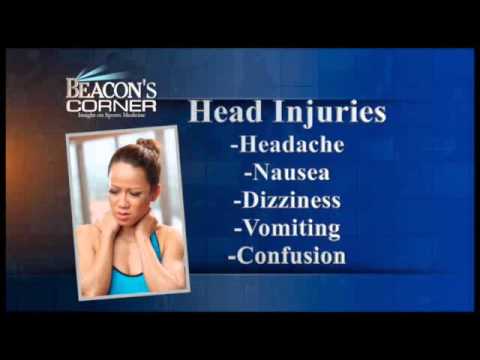
- Head, Brain, or Spine Issues: Headaches, nausea, dizziness, vomiting, or confusion could signal a concussion or worse.
- Neck or Upper Spine Trouble: Stiffness, aching “boney” pain, or pain radiating to the arm might indicate a neck or spine strain. Catching these early is key to avoiding further damage.
Why Timing Matters Acting fast can make a big difference. Mild injuries might resolve in minutes to hours with rest, while severe cases could take weeks. A proper diagnosis from a specialist like Dr. Brannan is crucial to shorten recovery and ensure safety. Never rush back to play until fully healed—pushing too soon risks long-term problems.
Prevention is Power Stopping injuries before they happen is the best defense. Teach young athletes:
- Use correct form when tackling, diving, or heading the ball in soccer.
- Steer clear of head-to-head collisions whenever possible. Helmets and proper training gear also play a big role in staying protected.
Take Action If you or your teen notice any of these symptoms, don’t wait. Schedule an appointment with Dr. John Brannan at Beacon Orthopaedics and Spine or call (513) 354-3700 for expert care tailored to young athletes.
Surgical Management of Knee Dislocations
January 21, 2005
Exploring Recovery: What Dr. Cha’s Research Reveals About Knee Dislocations
If you’ve ever wondered how to bounce back from a serious knee injury, Dr. Cha’s latest study offers valuable insights. Knee dislocations—rare injuries that can shift out of place and sometimes pop back on their own—pose unique challenges. This research dives into a consistent surgical approach to help patients regain knee function, especially for those dealing with these tricky injuries. Let’s unpack the key findings in a way that’s easy to follow, whether you’re recovering or supporting someone who is.
Click here to download the full PDF version of Dr. Cha’s research.
Key Takeaways:
The Study at a Glance Dr. Cha’s team looked at 47 patients with knee dislocations that were either already reduced or still out of place. They excluded 14 cases due to complications like open wounds, vascular damage needing surgery, or external fixation. The remaining 33 patients underwent a standardized surgical treatment using fresh-frozen allografts to repair or replace damaged ligaments. Of these, 31 came back for follow-ups at least two years later to assess their recovery.
Timing Makes a Difference The results showed that acting fast matters. Nineteen patients had surgery within three weeks (acute treatment), while twelve were treated later (chronic treatment). Those treated early reported higher satisfaction:
- Lysholm Score: 91 (acute) vs. 80 (chronic)—a measure of knee function.
- Daily Living Score: 91 (acute) vs. 84 (chronic)—how well they managed everyday tasks.
- Sports Score: 89 (acute) vs. 69 (chronic)—ability to handle sports or active work. Overall, 23 patients had excellent or good outcomes, with 16 of the 19 acute cases falling in this range, compared to 7 of 12 chronic cases.
Recovery and Stability Most patients regained good knee stability, especially those treated early. On average, they lost just 1° of extension (straightening) but 12° of flexion (bending). Four acute cases needed extra manipulation to improve bending. Daily activities were manageable for nearly everyone, though returning to high-demand sports or tough manual jobs was less certain.
What This Means for You Dr. Cha’s findings suggest that early surgery can lead to better knee function and stability, helping you get back to your routine with confidence. While sports or heavy labor might be tougher to resume, the approach offers hope for a solid recovery over two to six years.
The Acutely Dislocated Knee: Evaluation and Management
September 1, 2004
Insights on Acute Knee Dislocations
If you or someone you know has experienced a sudden knee injury, you might be surprised to learn about the complexities of acute knee dislocations. These rare but serious injuries can happen in an instant and often fix themselves before a doctor’s visit, leaving many unaware of their severity. Dr. Cha’s latest research sheds light on what these injuries mean for your health and recovery. Let’s break it down into easy-to-understand highlights to help you navigate this topic.
Download Dr. Cha’s Full Research PDF
Click here to download the full PDF version of Dr. Cha’s research
Key Highlights:
Understanding Acute Knee Dislocations Acute knee dislocations are rare injuries that can happen unexpectedly. Since they often pop back into place on their own before you see a doctor, it’s hard to know how common they really are. These injuries affect multiple knee ligaments, causing instability in different directions. They can also involve damage to the meniscus, cartilage, or even nerves and blood vessels, which can make treatment trickier.
Why Quick Action Matters There’s a serious risk of damage to blood vessels, so it’s critical to check blood flow with an angiography if a knee dislocation is suspected. Fast evaluation and initial care are essential to avoid life-threatening issues for your leg.
Treatment Options Deciding how to treat an acute knee dislocation can be complex. Surgery to repair or reconstruct the damaged ligaments is often recommended to help restore good knee function. Key factors to consider include when to operate, what graft to use, the surgical approach, and how to plan your recovery afterward.
Abstract:
Acute knee dislocations are uncommon orthopaedic injuries. Because they often spontaneously reduce before initial evaluation, the true incidence is unknown. Dislocation involves injury to multiple ligaments of the knee, resulting in multidirectional instability. Associated meniscal, osteochondral, and neurovascular injuries are often present and can complicate management. The substantial risk of associated vascular injury mandates that vascular integrity be confirmed by angiography in all suspected knee dislocations. Evaluation and initial management must be performed expeditiously to prevent limb-threatening complications. Definitive management of acute knee dislocation remains a matter of debate; however, surgical reconstruction or repair of all ligamentous injuries likely can help in achieving the return of adequate knee function. Important considerations in surgical management include surgical timing, graft selection, surgical technique, and postoperative rehabilitation.