
Common Head and Neck Injuries from Sports
September 25, 2015
Common Head and Neck Injuries from Sports: What You Need to Know
High school sports like football, soccer, and lacrosse bring excitement, but they also come with risks. Dr. John Brannan from Beacon Orthopaedics and Spine shares insights on spotting and managing head, neck, spine, and brain injuries common in young athletes. Early recognition can prevent worse harm and speed up healing—here’s what to watch for and how to stay safe.
Key Insights:
Spotting the Signs Head and neck injuries are frequent in contact sports. Look out for these warning signs:
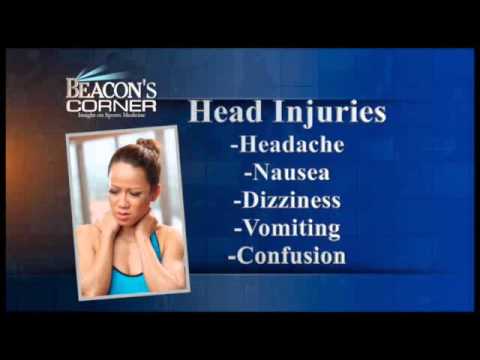
- Head, Brain, or Spine Issues: Headaches, nausea, dizziness, vomiting, or confusion could signal a concussion or worse.
- Neck or Upper Spine Trouble: Stiffness, aching “boney” pain, or pain radiating to the arm might indicate a neck or spine strain. Catching these early is key to avoiding further damage.
Why Timing Matters Acting fast can make a big difference. Mild injuries might resolve in minutes to hours with rest, while severe cases could take weeks. A proper diagnosis from a specialist like Dr. Brannan is crucial to shorten recovery and ensure safety. Never rush back to play until fully healed—pushing too soon risks long-term problems.
Prevention is Power Stopping injuries before they happen is the best defense. Teach young athletes:
- Use correct form when tackling, diving, or heading the ball in soccer.
- Steer clear of head-to-head collisions whenever possible. Helmets and proper training gear also play a big role in staying protected.
Take Action If you or your teen notice any of these symptoms, don’t wait. Schedule an appointment with Dr. John Brannan at Beacon Orthopaedics and Spine or call (513) 354-3700 for expert care tailored to young athletes.